***
I’m not going to lie, the last couple of weeks haven’t been easy. As we approach lockdown week 12 and the UK news cycle continues to be an appalling chronicle of government mistake after government mistake (a diplomatic term I feel- the alternative was f*ck up), it’s been increasingly difficult to keep the fear and anger at bay. As ever, though, practicing gratitude and talking it over helps. Playing board games helps. Going to the cathedral to see if we can spot to peregrines helps (webcam here). Writing blog posts helps, too, so without further ado let’s go back to New Zealand.
***
Shifting baseline syndrome is a way of describing how easy we find it to forget. In a nutshell, it describes the idea that what we see as pristine nature would be seen by our ancestors as hopelessly degraded, and what we see as degraded our children will view as ‘natural’. I find it difficult to wrap my head around the fact that the UK now has half of the farmland birds it had in 1966 – I may think the lapwing flocks I see are large, but that’s because I’ve never seen just how much bigger they could be in the past. The collective memory changes, and that knowledge fades away.
Sometimes, though, there are reminders that can jolt you into feeling the true scale of what might have been before. One of the starkest examples I’ve encountered is a place called Riccarton Bush.
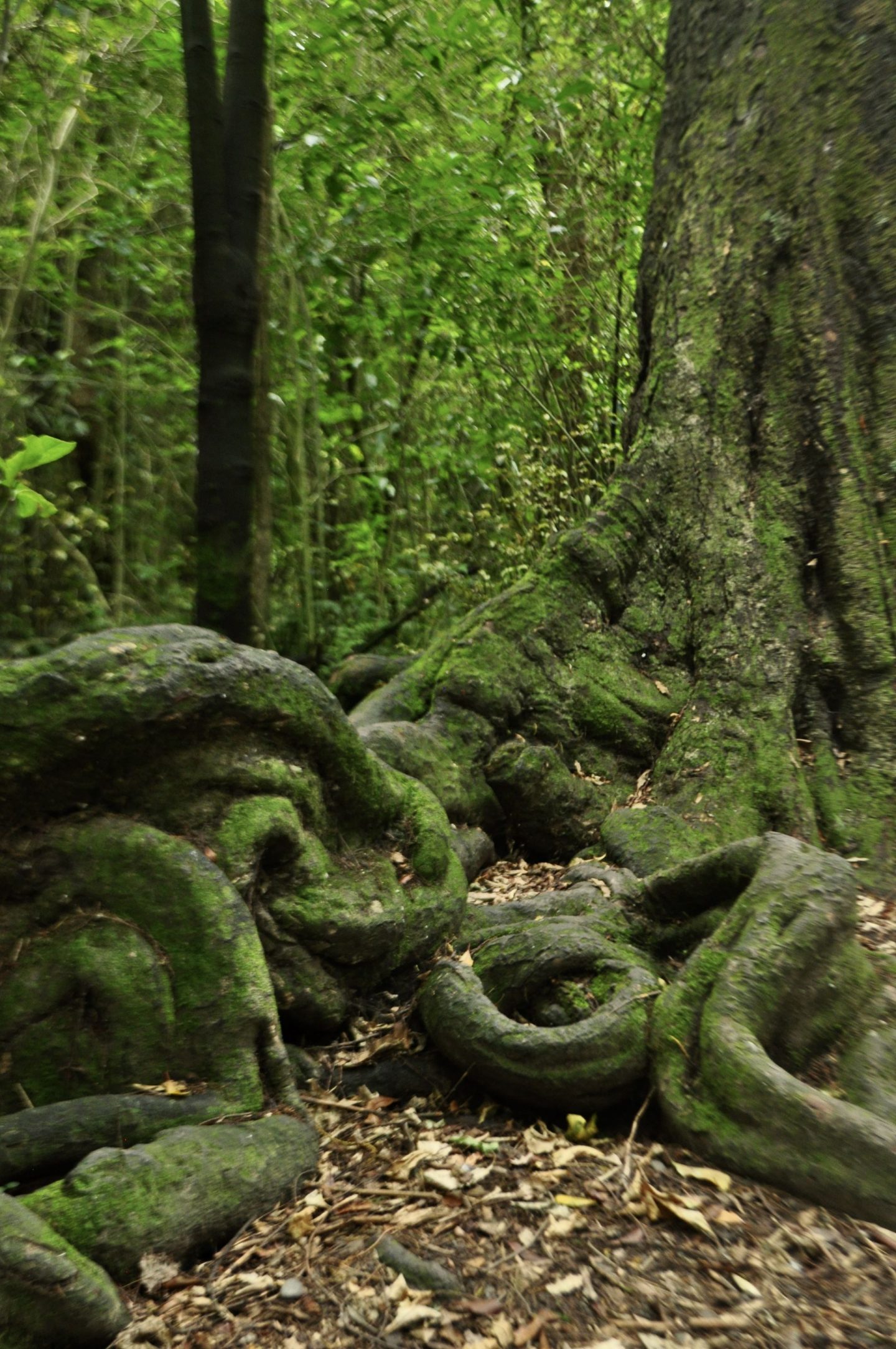
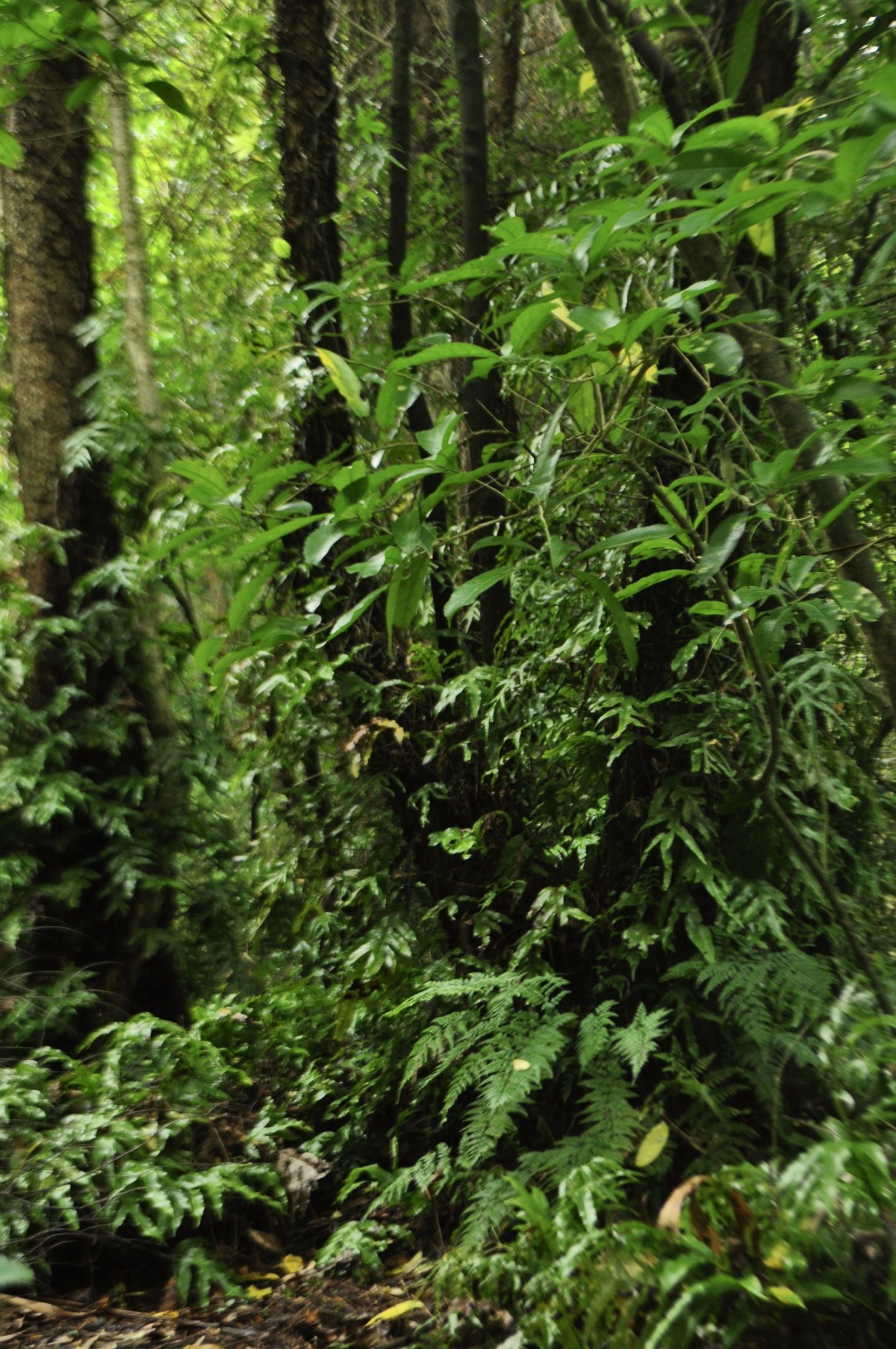
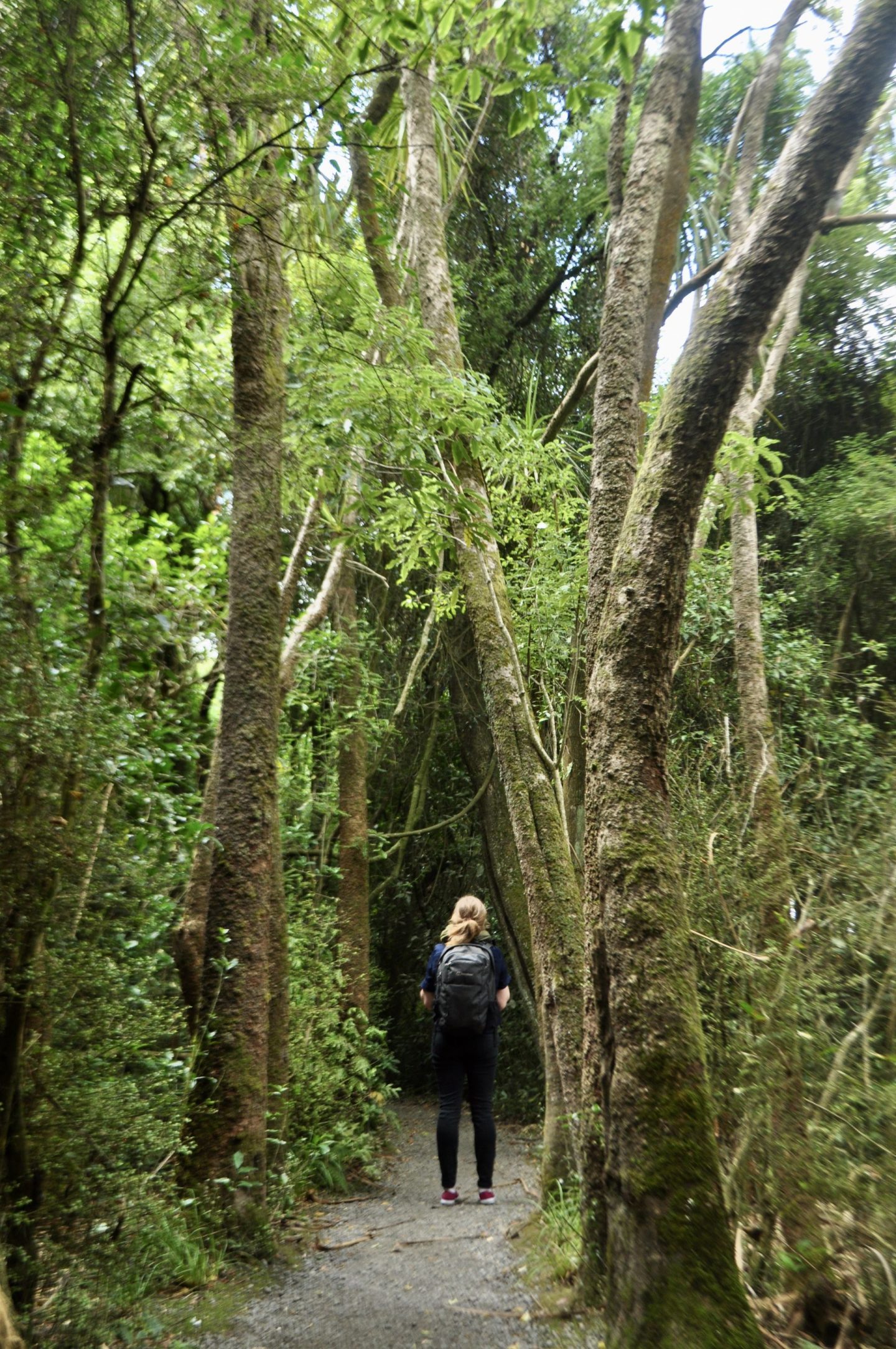
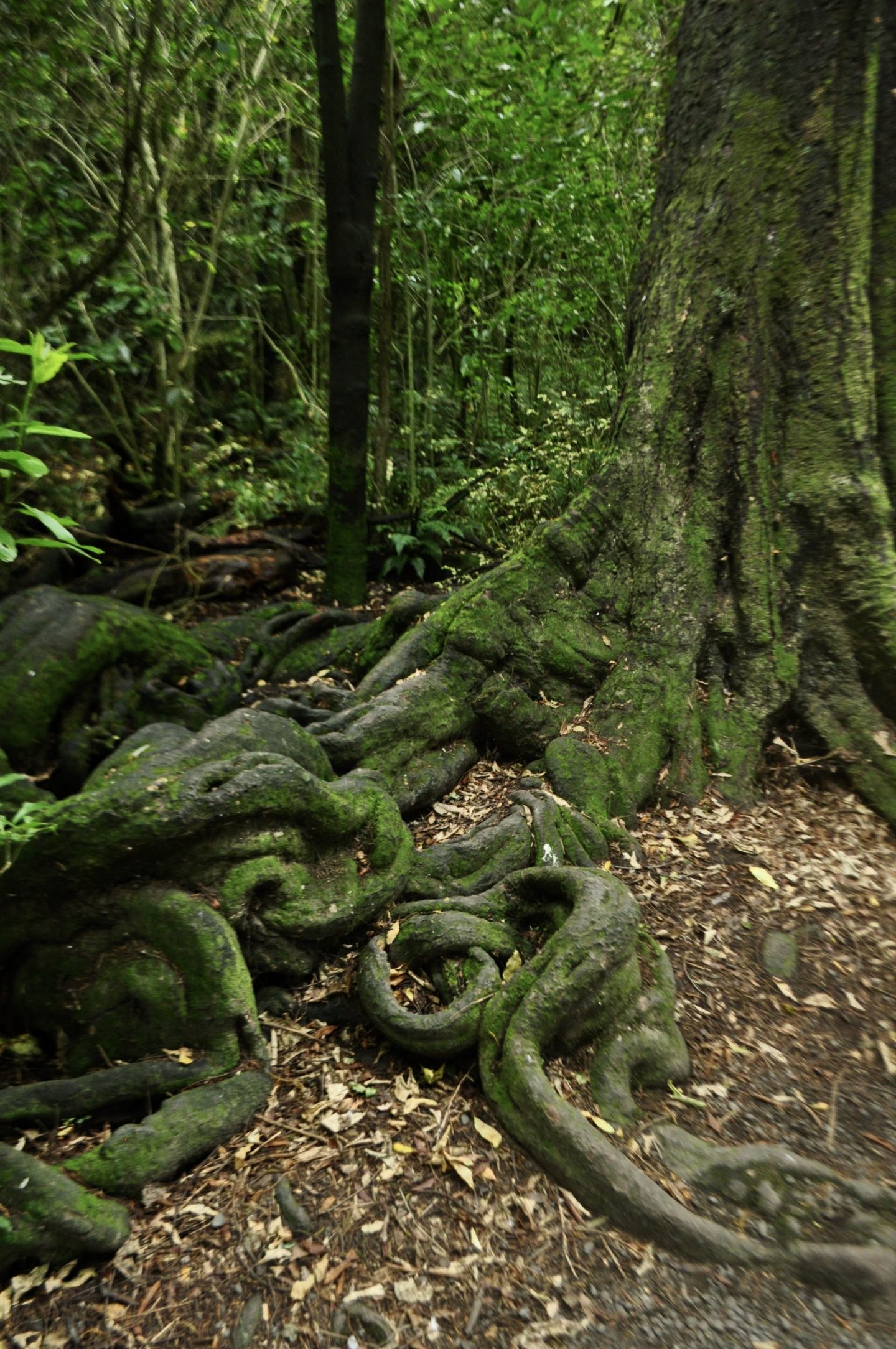
Riccarton Bush is an area of podocarp forest, a habitat that in New Zealand is famous for its iconic giant tree species such as Rimu (the tree upon which Kakapo breeding depends on). A lot of podocarp forest has been lost from South Island and particularly from Canterbury – but miraculously one of the small surviving patches is slap bang in the middle of Christchurch, the country’s second largest city. Think giant Sequoia grove, in the middle of Central Park.
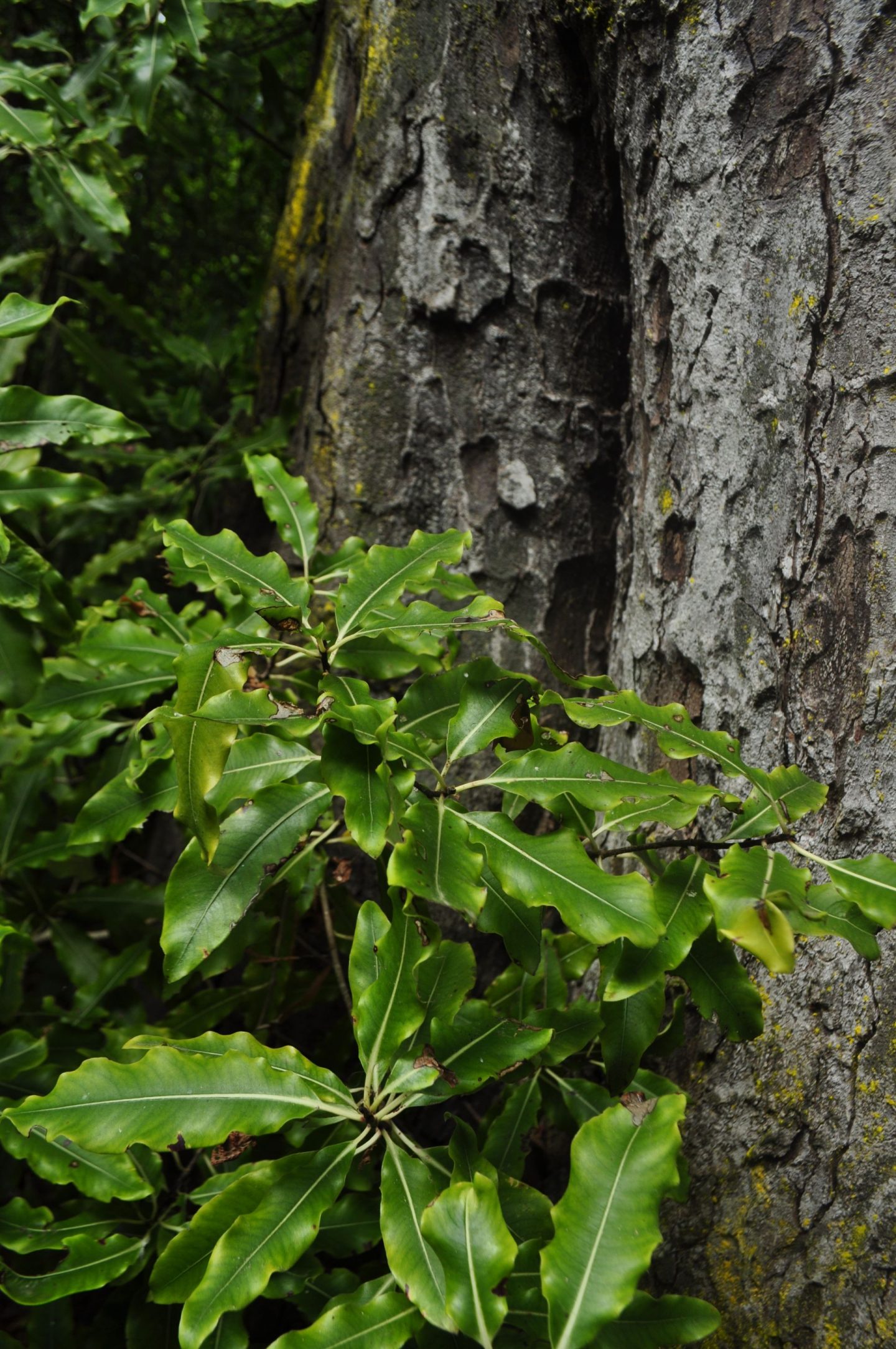
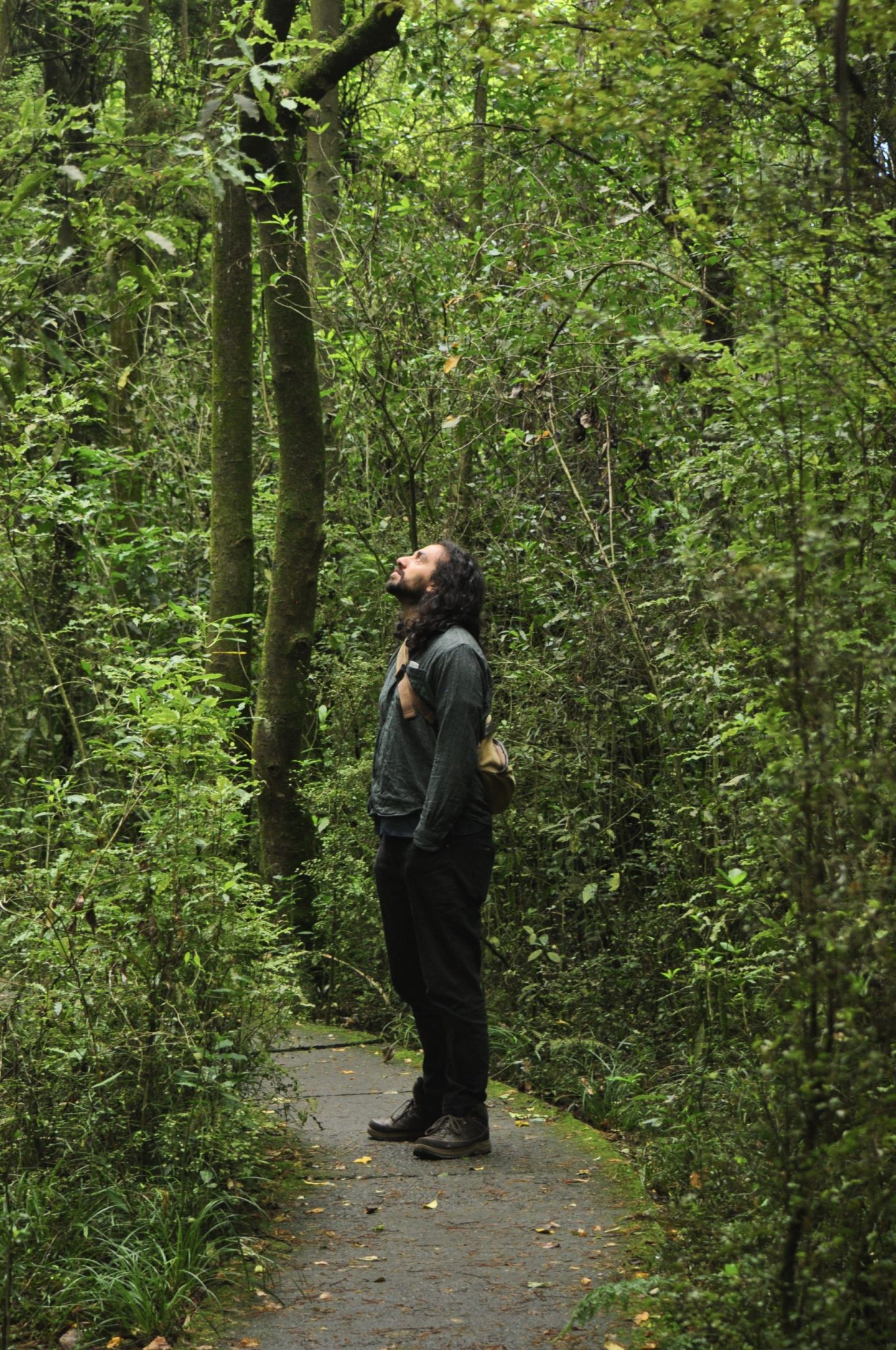
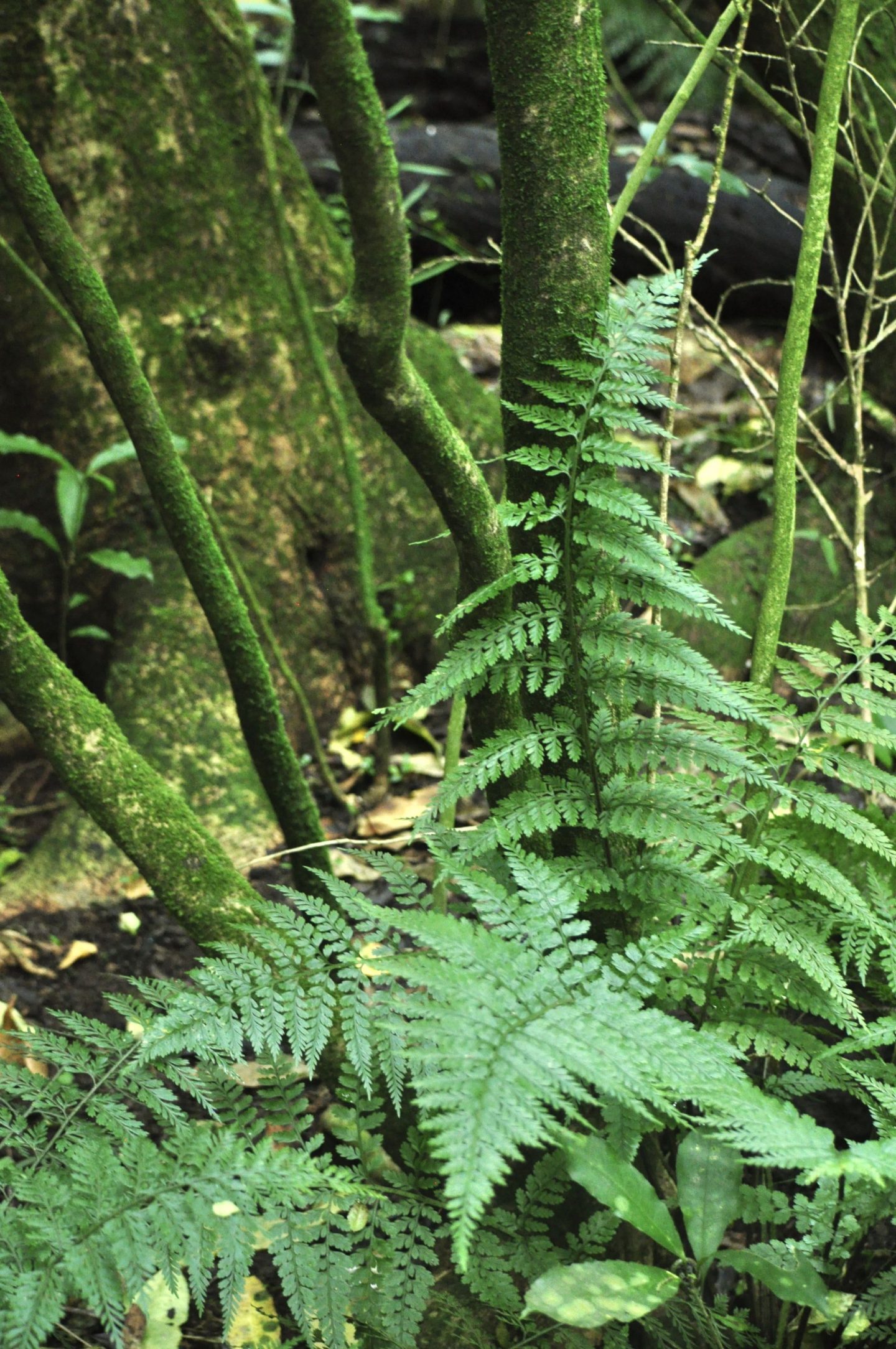
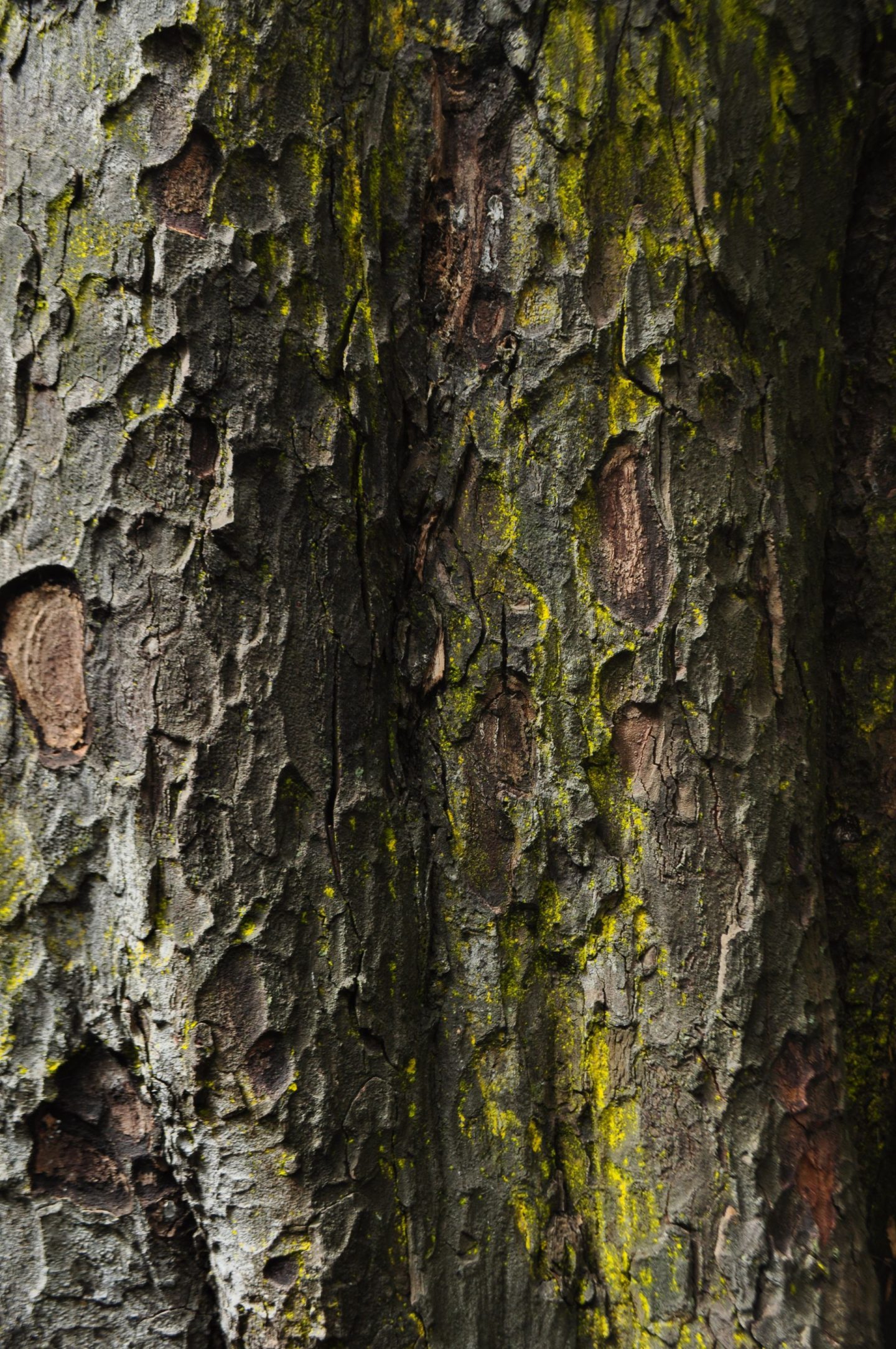
Arriving in the suburb of Riccarton to see it for ourselves, we traversed through the series of gates that takes you through the 2m high predator fence- and stepped back in time. The smell changed, the sounds changed, and the temperature changed as we stepped under the shade of the canopy. Soon we came across the first of the kahikatea trees, New Zealand’s tallest tree species and the last survivors of the forest that established itself here 3000 years ago. Wide with buttressed roots that resemble a Gordian knot, some of the ones we came across are estimated to be 600 years old, which boggles my short-lived human brain. That means they were alive while the last moa were being hunted, and while the wars of the roses were raging in Europe. They have lived through the vast majority of human history in New Zealand, from early Maori settlements all the way through to that February morning in 2020 when we wandered into their midst. They’re a slap in the face to anyone succumbing to shifting baseline syndrome – a silent but stark reminder that things haven’t always been this way.
I wish all cities had a Riccarton Bush – I wonder if they did whether we’d be a little more mindful of the huge ways in which we change the landscape. And maybe start working to get a little bit of that lost magic back?