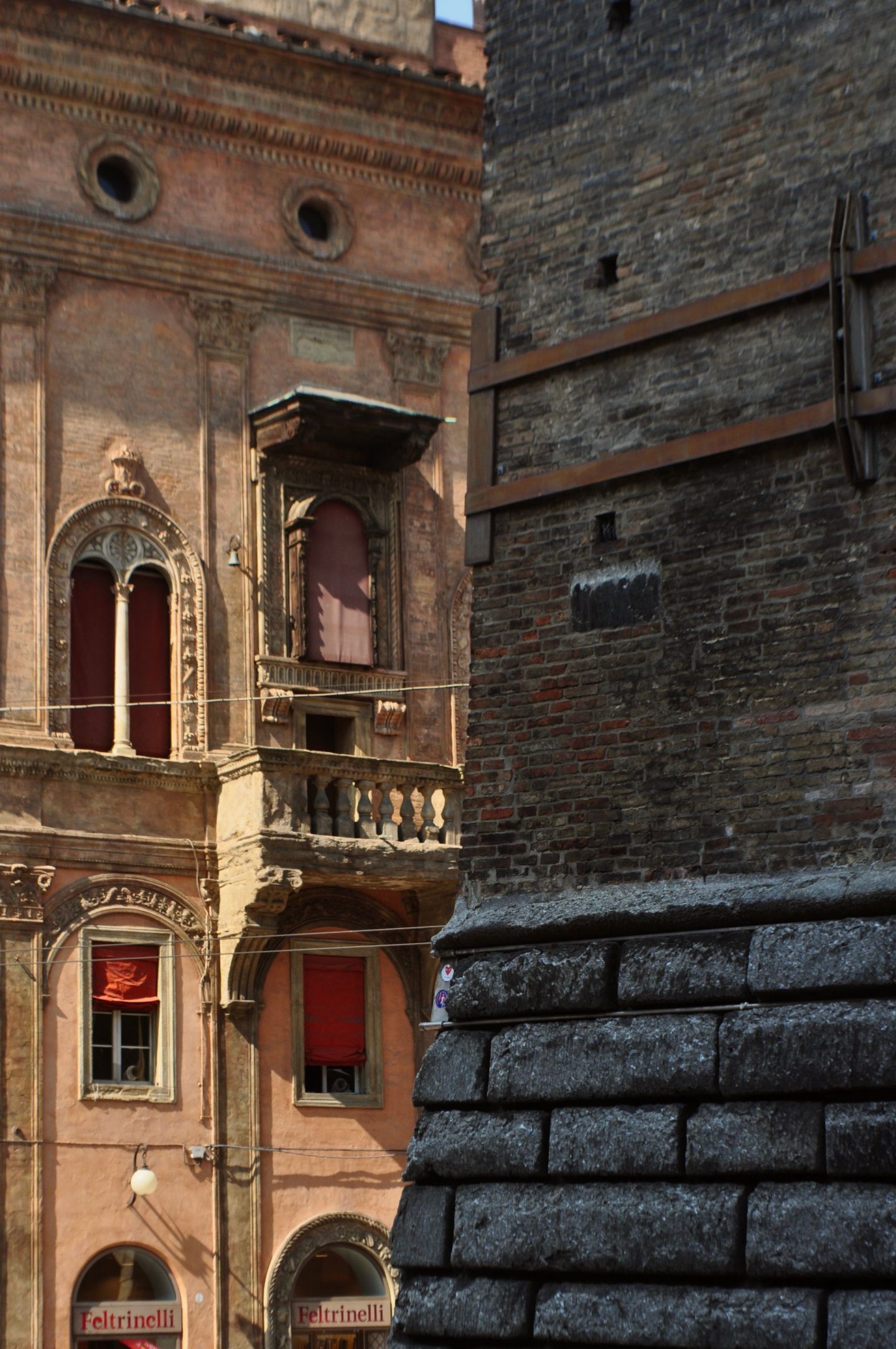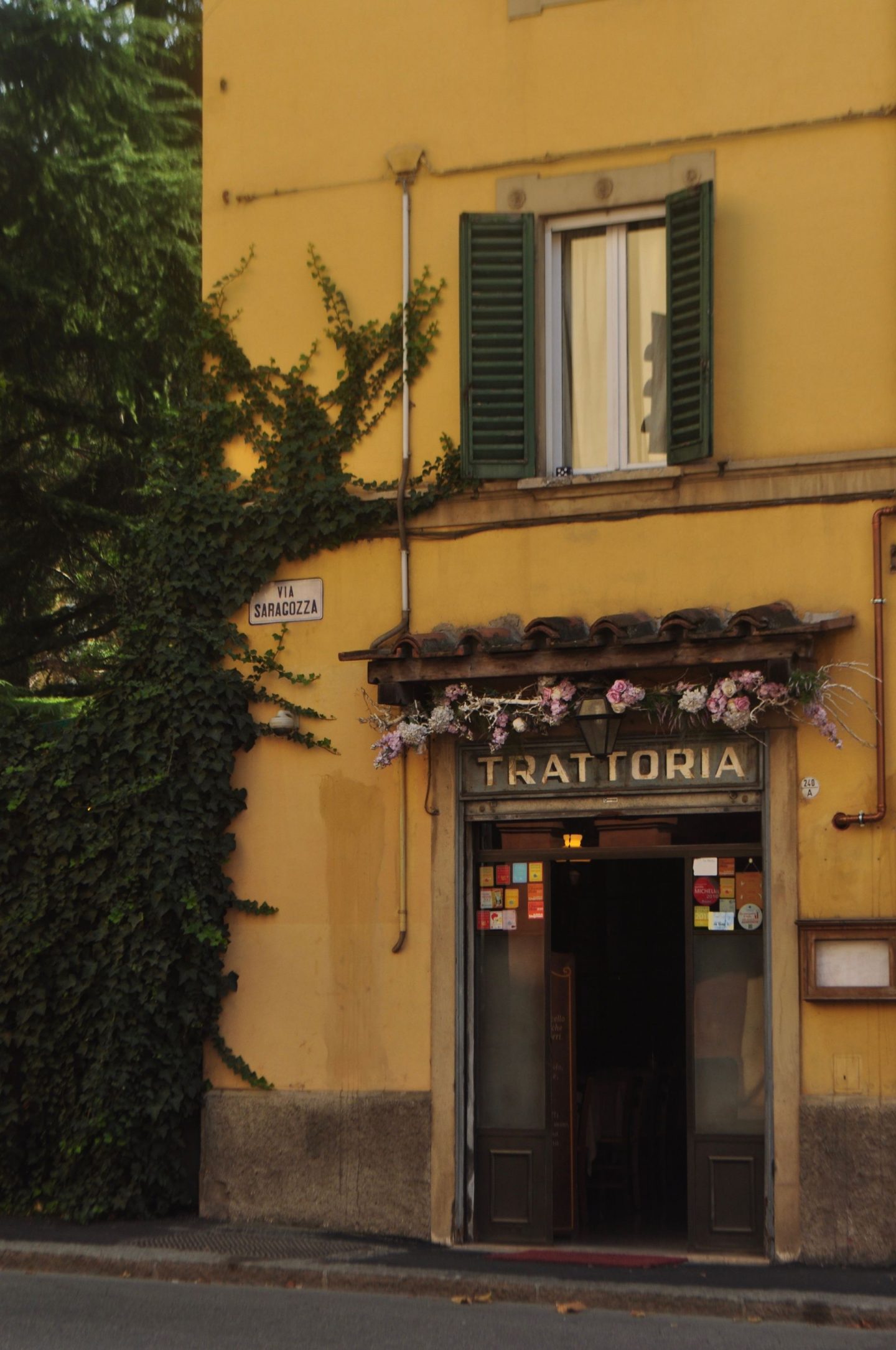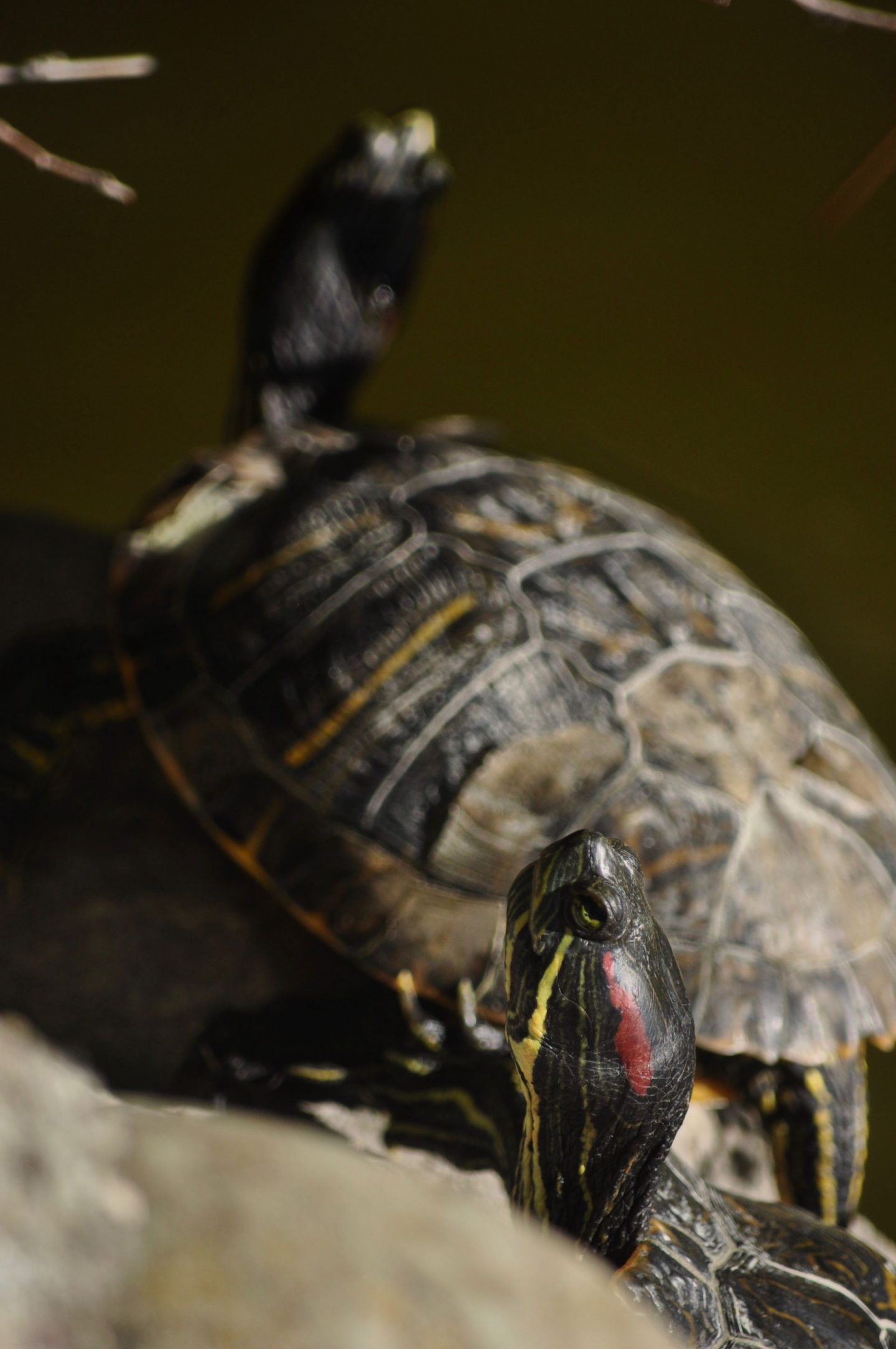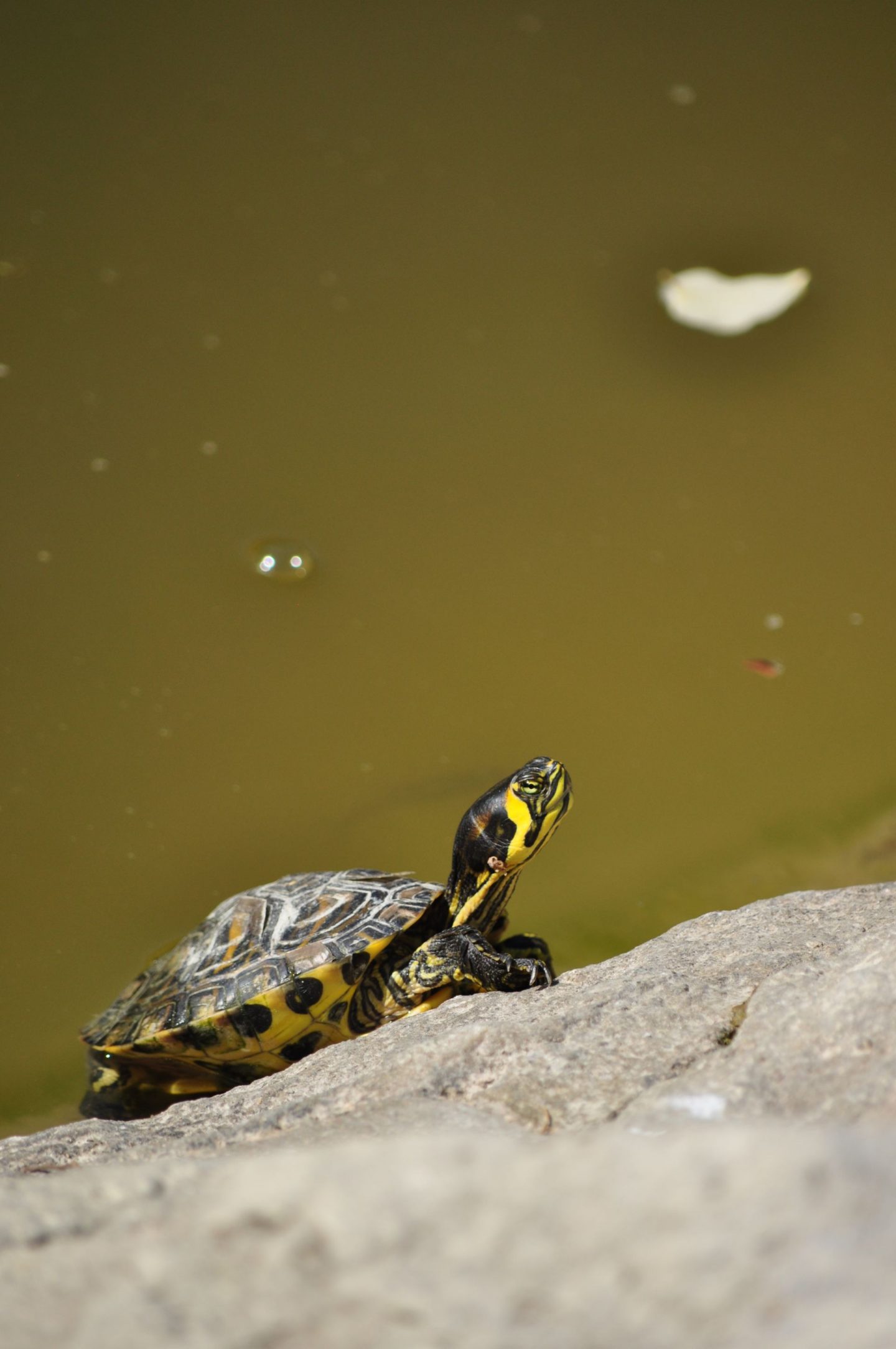
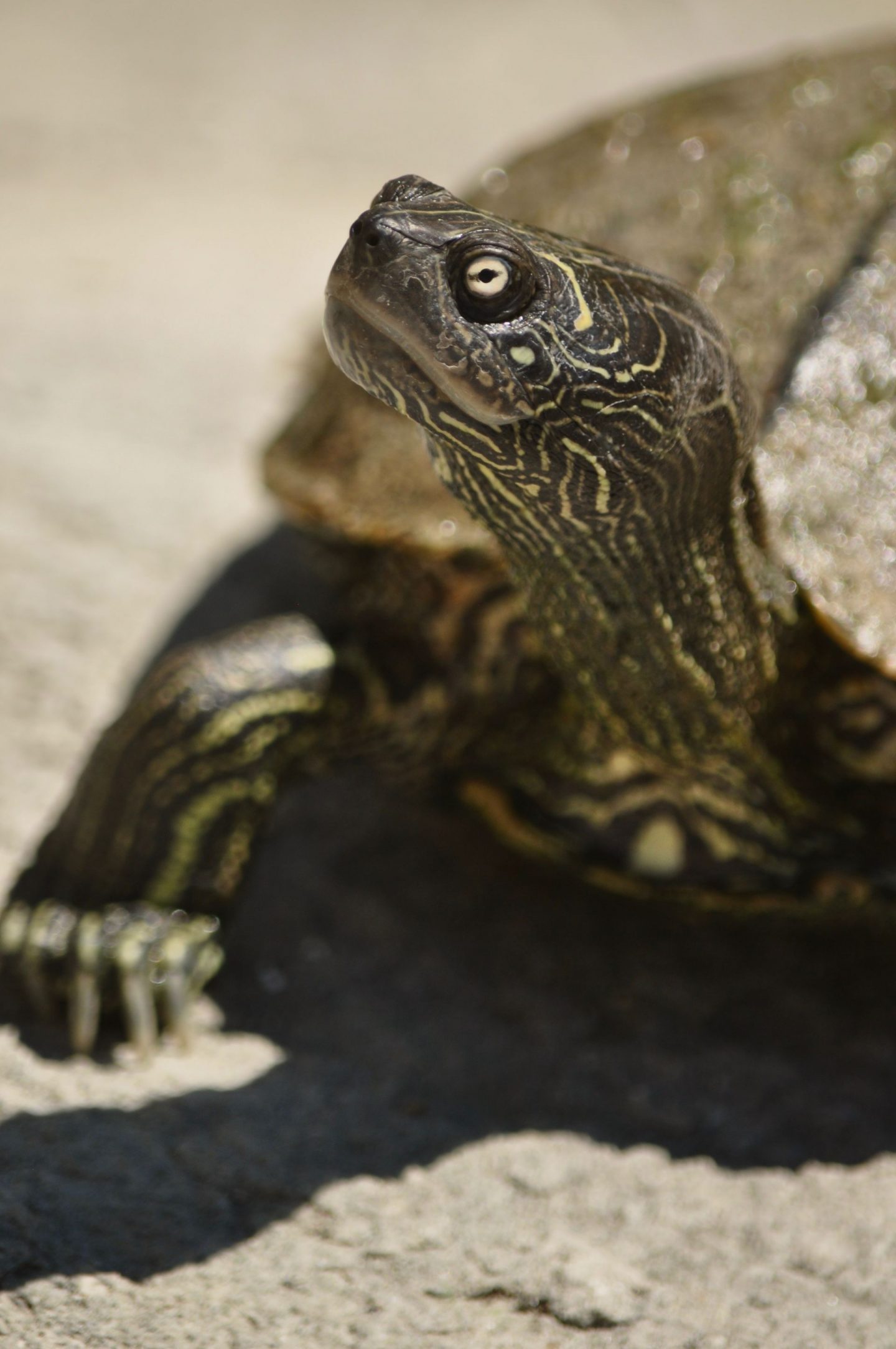
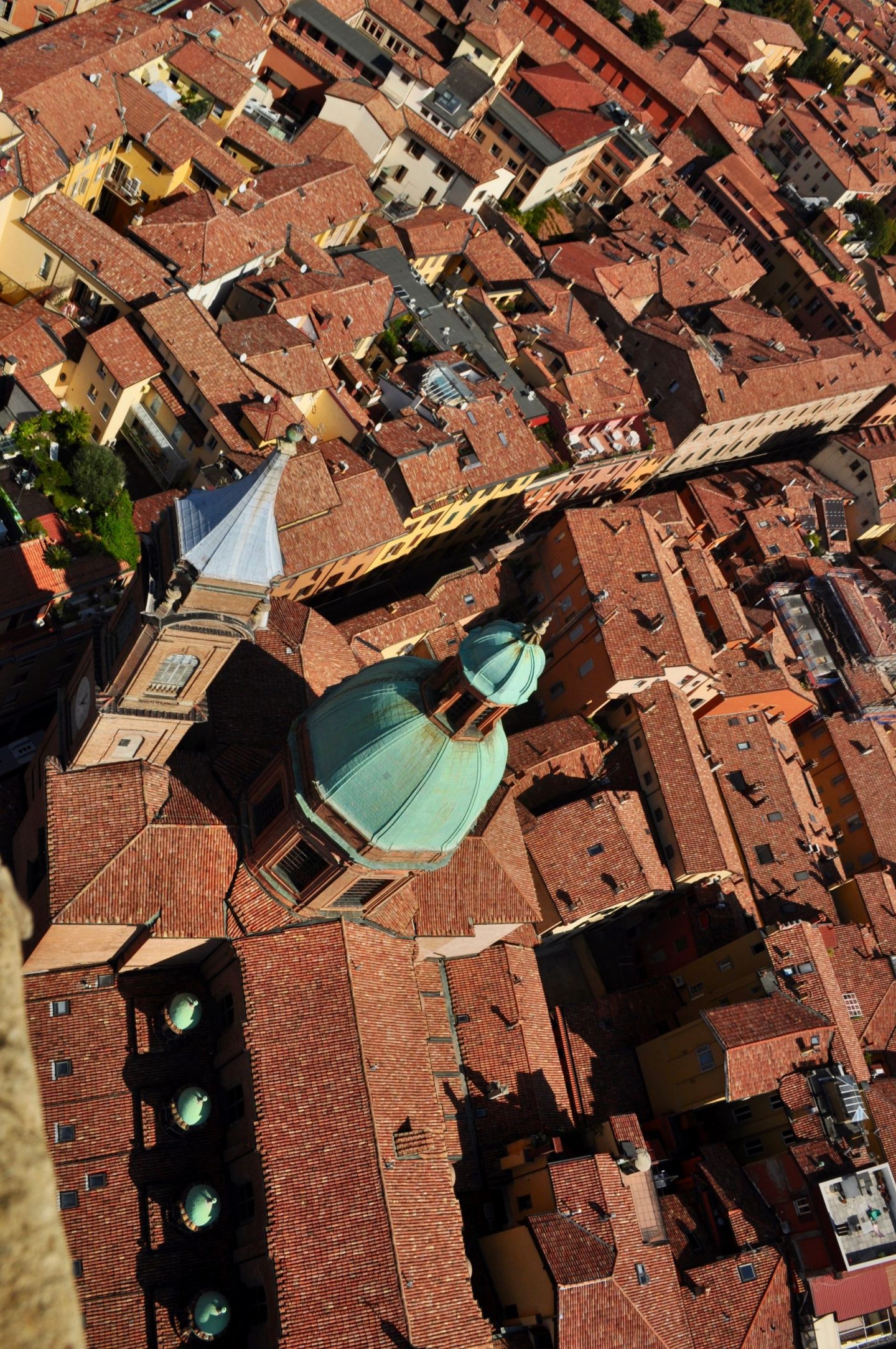
After a few days in Roma, we boarded a high speed train to whisk us to our next stop- Bologna. I wasn’t entirely sure what to expect from the city, having only added it to our itinerary after spying a friend’s photos from their Erasmus year there; but oh my, I loved it. A bit shabby, a bit gritty, but oh so cool, it wore its beauty quite effortlessly and its not-inconsiderable history with a quiet sort of confidence. It felt like Bologna didn’t need to show off- it just knew you were going to fall in love with it. We spent our time there alternating between ice creams on the square and copious amounts of pasta- but somewhere in between these essential activities we came across this pond-full of turtles in the Parco Giardini Margherita.
Italy does have a native species of terrapin (freshwater turtle)- the lovely Emys orbicularis, or European pond turtle- but these guys were not European pond turtles. Rather, they were red-eared sliders (Trachemys scripta)- one of the world’s most popular pet reptiles, and one of the most invasive species in the world. They tend to get dumped in places like this by owners who no longer want them, proceeding to edge out native species because they grow faster and they’re more aggressive. Don’t get me wrong- I’m not saying that a group of turtles in a highly artificial pond in the middle of a city is tantamount to an ecological disaster. But they do elicit those conflicting feelings I’ve talked about before with Madrid’s quaker parrots, and a certain amount of exasperation when it comes to people not understanding (or maybe just not caring) about the effect of their actions on ecosystems. The import of red eared sliders into the EU has been banned since 1997, but in many countries it’s still perfectly legal to keep them. And there’s always a danger that banning something will just shift trade on to a different species that’s as-likely to become invasive. To be honest, I’m not sure what the solution is. Better education? Moving faster to remove dumped turtles before populations can become established? Please tell me these are the sorts of things that everyone debates at length on holiday, right?
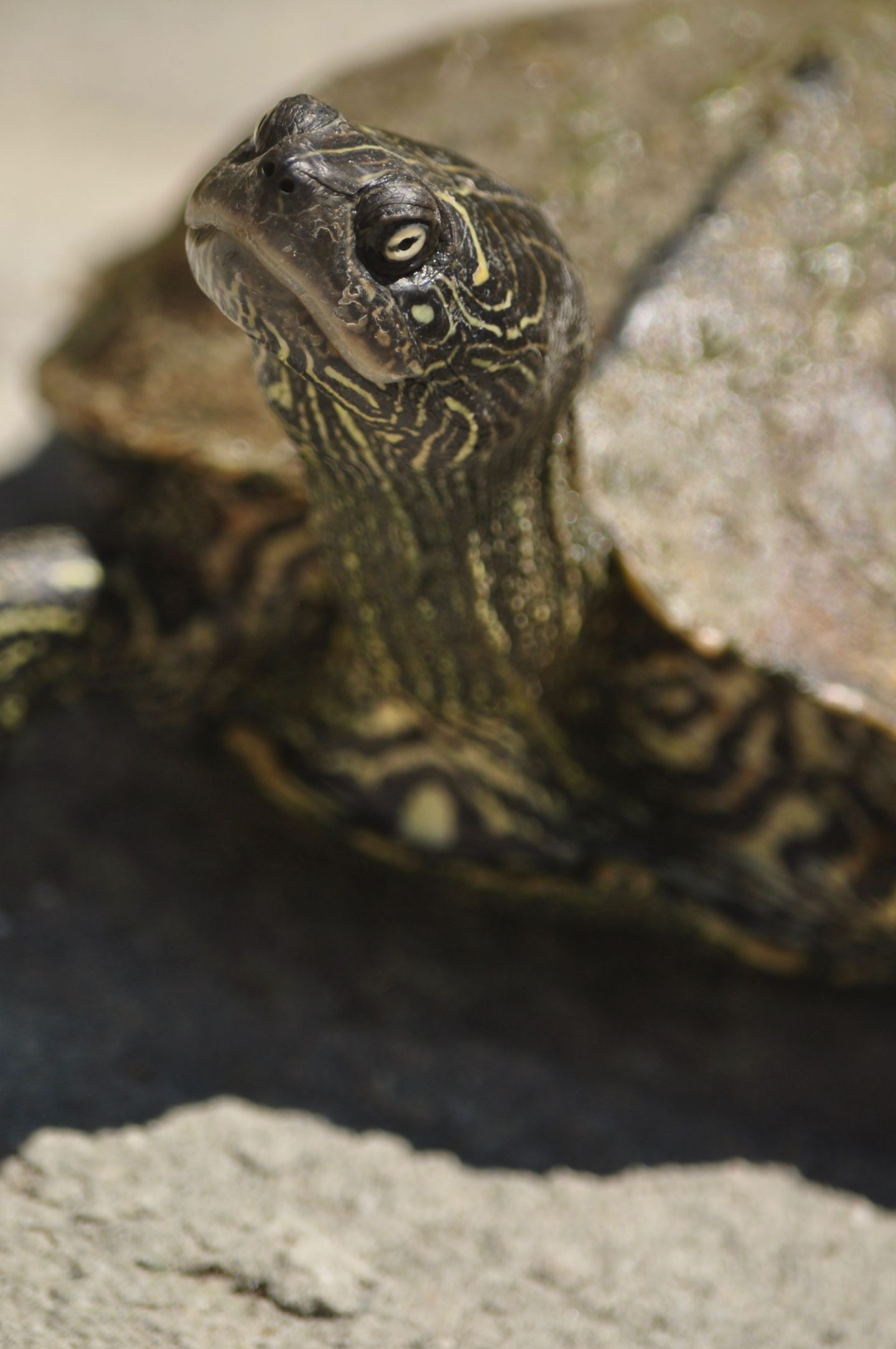
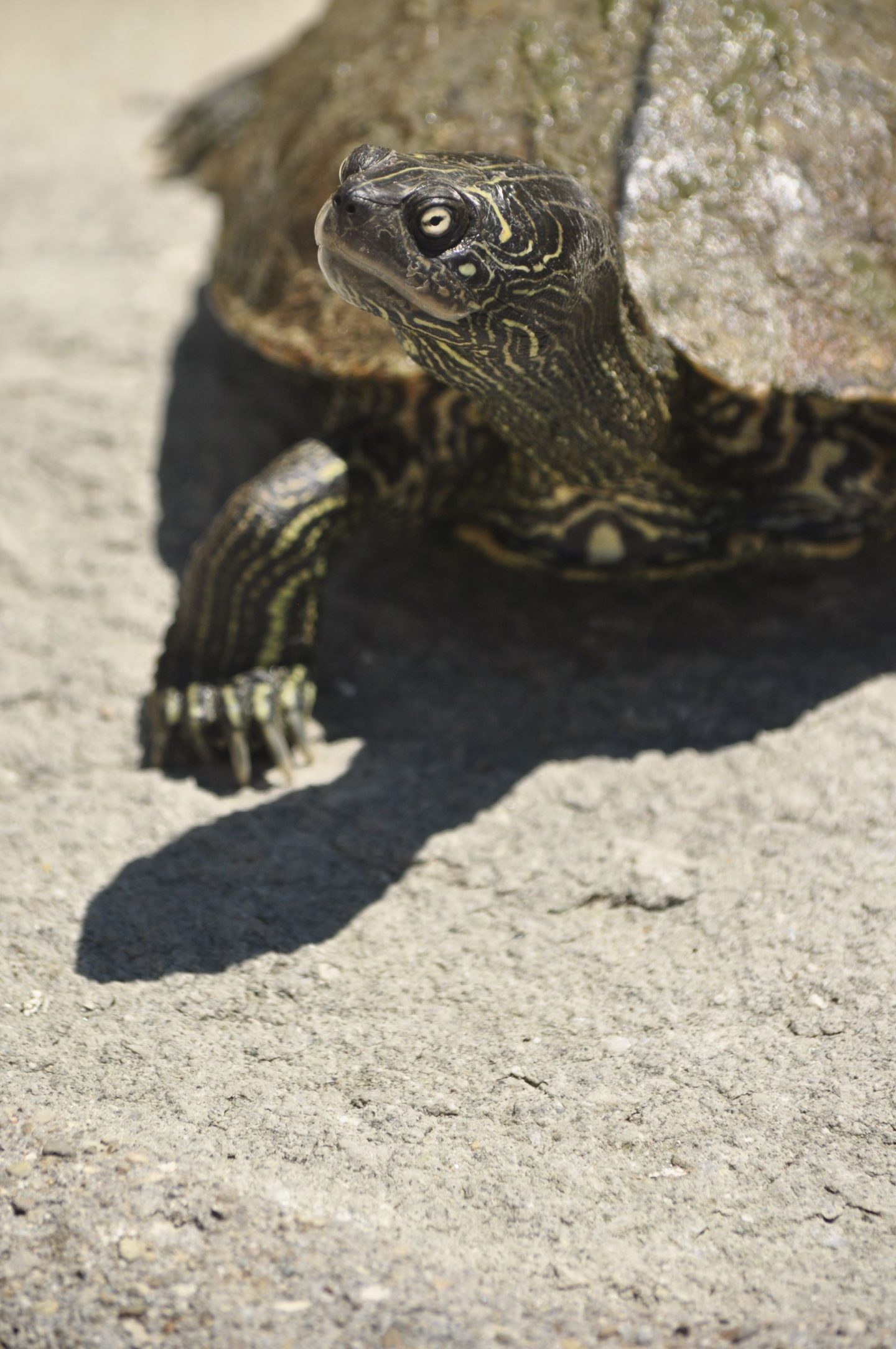
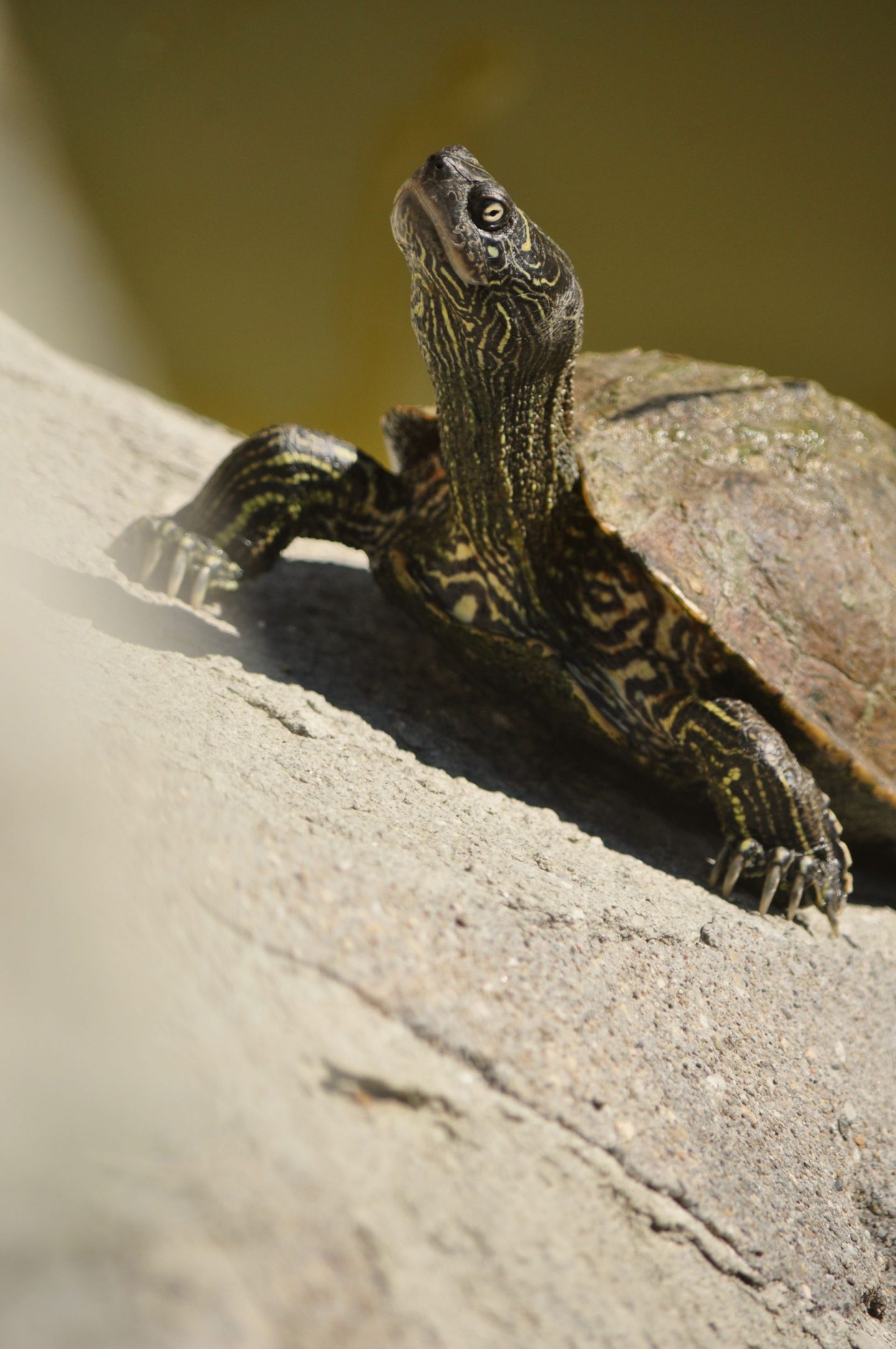
Anyway- angst aside, I have to admit I was quite smitten with the terrapin whose pictures grace the beginning of this post. He/she is a Cumberland slider, a subspecies of red slider that has beautiful swirling yellow patterning and the cutest nose. It’s not its fault that it’s an invasive species- its there because of our ignorance, carelessness and unwillingness to be responsible for our own actions. Mixed feelings indeed.