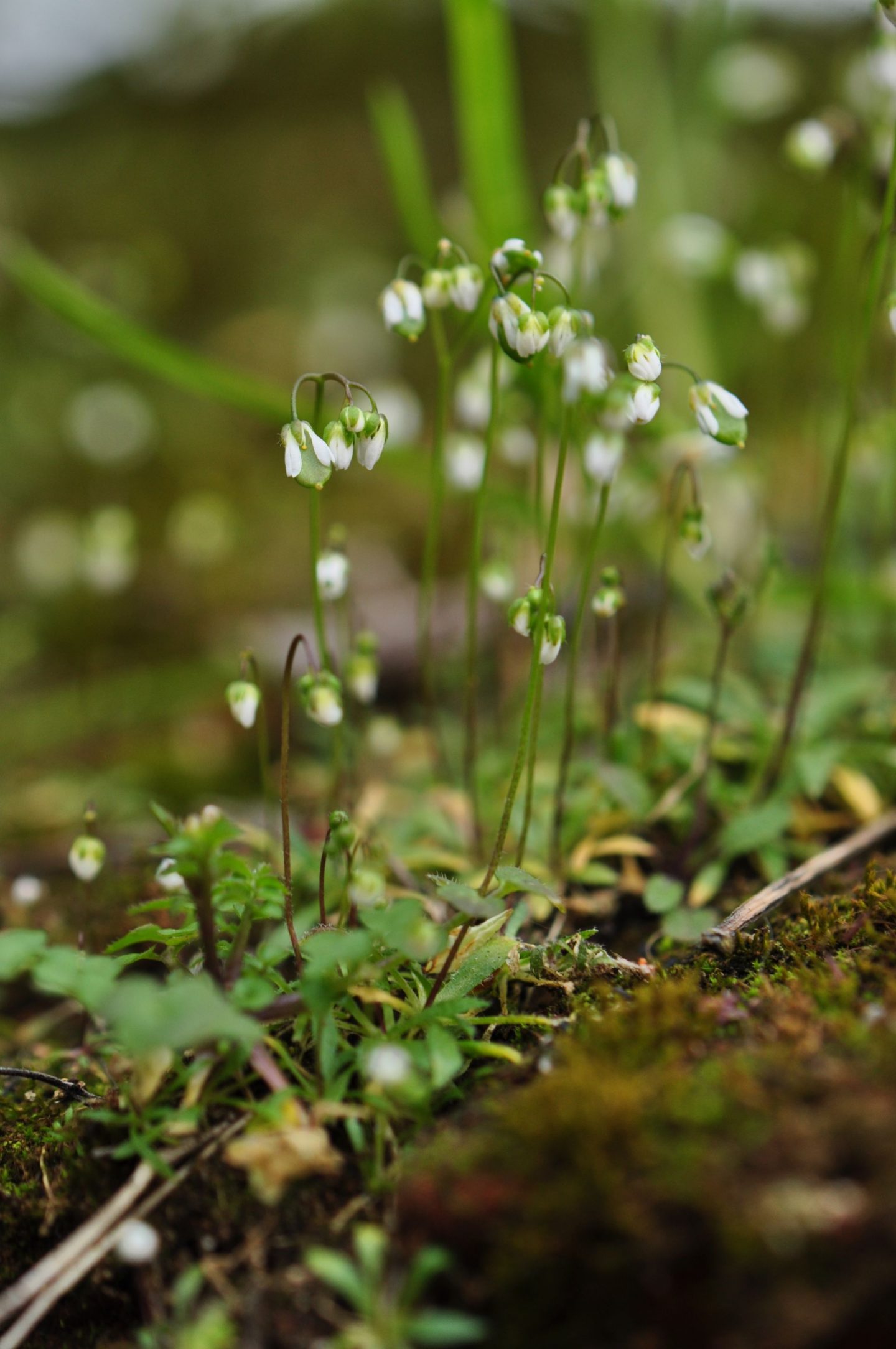
Back in the days of the first lockdown I used this time of year to do a lot of urban botanising. I don’t think that knowing what something is is essential for the enjoyment of nature (a rose by any other name would smell as sweet and all that). But for me, being able to identify things brings a whole new dynamic being in the outdoors – it stops being this thing that’s purely aesthetic and brings you into this world of variety and richness and connections to which you’d been totally oblivious. It’s like understanding a new language – one that, these days, is spoken by fewer and fewer people.
Anyway, I think there’s an assumption that to get good at this sort of thing you have to have someone that’ll teach you, or spend ages poring over field guides. Those things certainly make it easier, but if you’re interested in dipping your toes into the world of bird or insect or mammal ID, there’s loads of apps out there that can turn you into a self-taught naturalist – pretty much all of which are completely free. Early spring is great time to start, as there isn’t that much out at the minute, so you can start off gently and ramp up as the year and the variety progresses. Here are six that you might want to start with:
(1) Seek
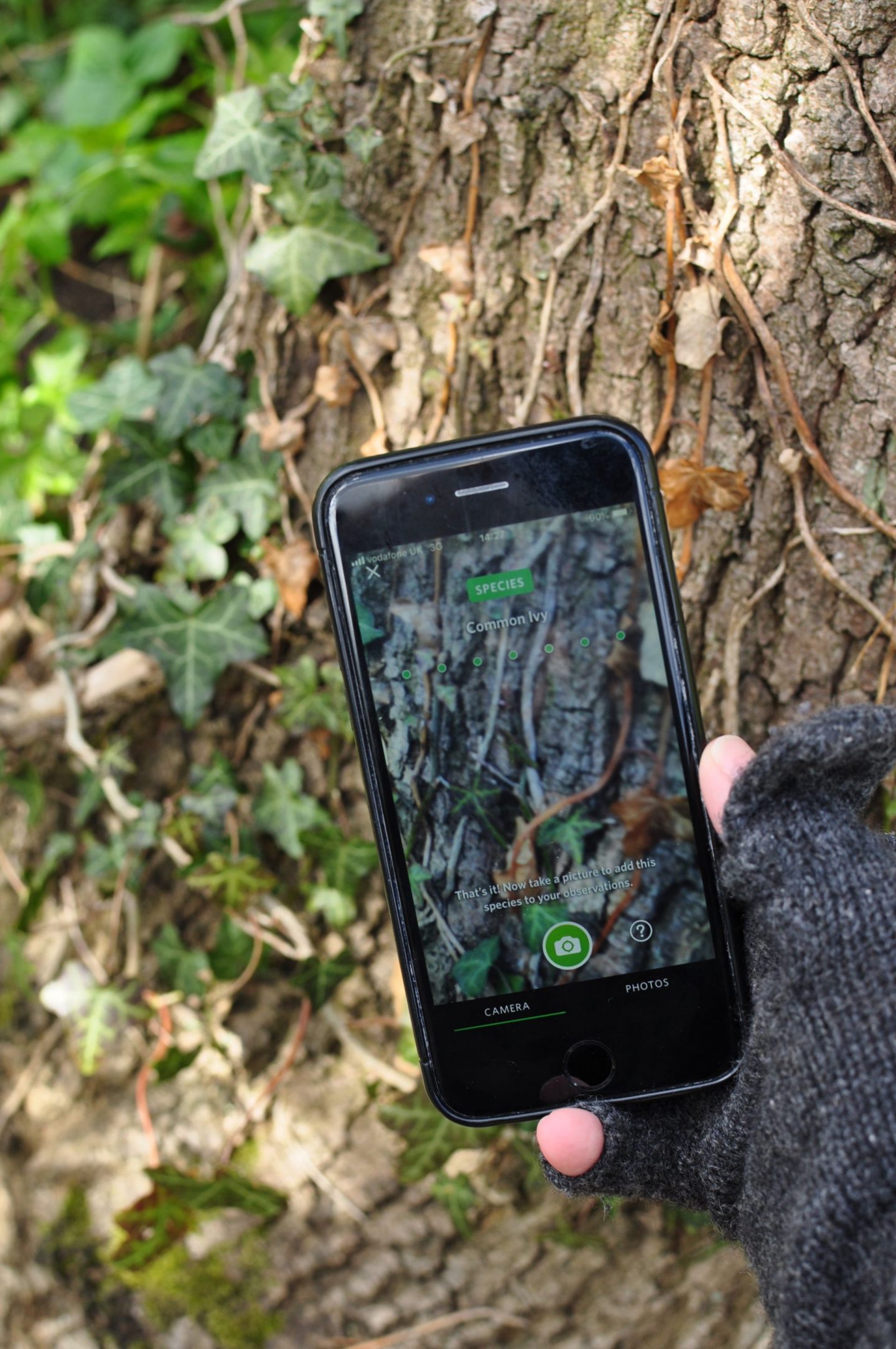
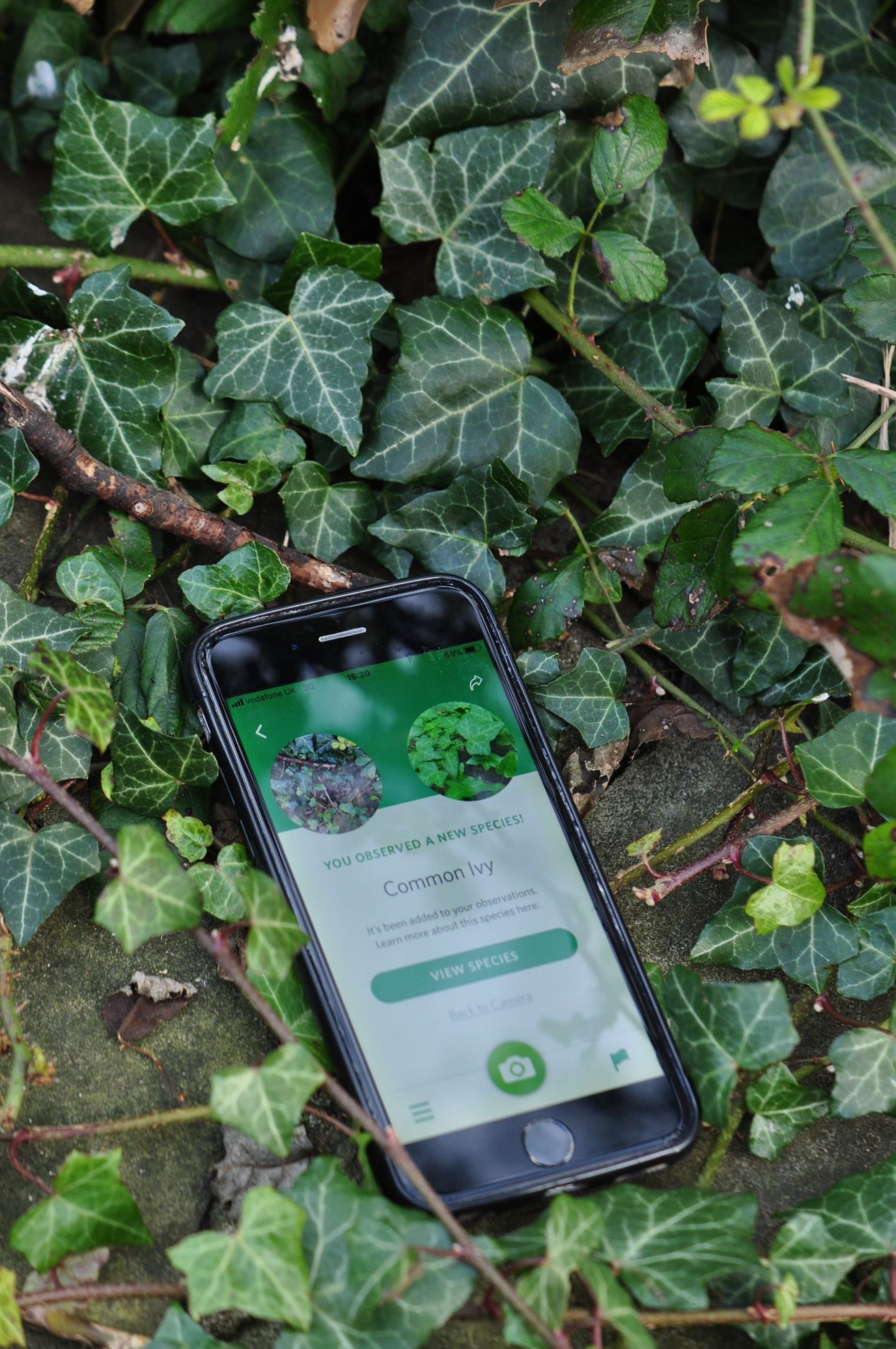
Let’s start with the app that covers it all. The idea of Seek is that you set your location, take a photograph of the thing you want to identify, and its AI will tell you what it is. It can be pretty much anything – birds, insect, plant, mollusc, fungus- the app will give you an educated guess. So far I’ve mainly been using it on plants, as they’re the main group I’ve been trying to learn over the last couple of years. The accuracy is surprisingly good, given how fernickety plants can generally be to identify – I’ve tried it out on a couple of species that I recognise, and it usually comes up with an accurate answer (especially if you’re scanning something that’s in flower).
When you click on a species it’ll take you through to a map showing where other people have recorded it, as well as a seasonality guide showing when most observations happen (two of the best indicators of whether you’re on the right track). Each time you take a picture it’ll also save it to your profile, so you start to build up a library in a Pokemon like fashion- probably part of the reason it’s so addictive. The only downside of Seek is that it eats through your phone battery like nobody’s business – though I’m running it on my old but trusty iPhone6, so maybe it’s better on other phones. Still- if AI is not your thing, and you want something that’s more like a traditional field guide, then these next apps might be just what you need.
(2) iRecordButterflies
This is the official app from Butterfly Conservation (the main charity working to save moths and butterflies in the UK)- it has a guide to all species which you can scroll through, including what the caterpillars look like (though bear in mind that this won’t be a guide to all caterpillars as all the moth ones will be out there as well). The bonus of using this app is that once you’re confident you can send recordings to Butterfly Conservation’s long-running monitoring scheme, adding a bit of citizen science to feel smug about to your time pootling around in nature.


(3) Mammal Mapper
The equivalent of iRecordButterflies but for mammals. It sends your records to the Mammal Society, but also has a straightforward ID guide on the bottom bar which you can scroll though. I’ll recognise that the UK doesn’t have that many mammal species, so it’s not like there’s a particularly large number of species to get your head around (bats excluded) – but for me, the app’s most useful for all those tricky bank/field vole and shrew species deliberations.
(4) European ladybird
Does what it says on the tin (there’s over 20 different species in the UK, not even getting into all the different colour morphs).
(5) British trees
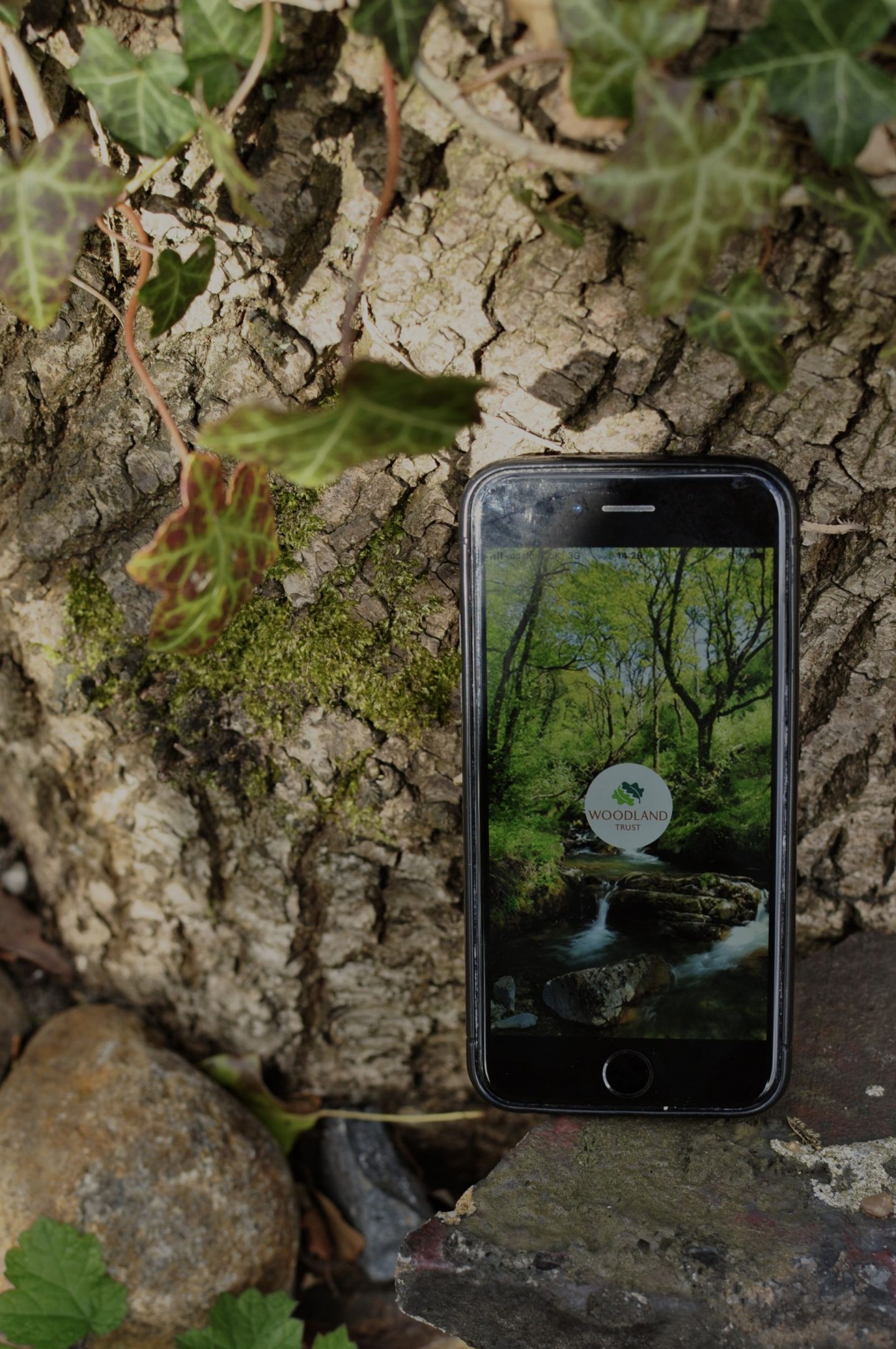
Trees are tricky to identify because a single species can come in an huge variety of shapes and sizes. As such their ID process is more hands on- you often have to get a close look at the leaves or catkins or bark to be sure of what you’re looking at, and sometimes you have to wait until just the right time of year for them to give up their secrets. I think, however, that they’re one of the most satisfying groups to get your head around – never do I feel more like Tom Bombadil when I’m explaining how to tell the difference between a pedunculate and English oak. The Woodland Trust has built a British trees app to help you in these endeavours, walking you through the possibilities in a dichotomous key-like fashion (i.e. it will ask you a question about the shape of the buds for example, then their colour, in order to narrow down the possibilities for you).
(6) #Wildflowerhour
Not an app but a hashtag run by the BSBI (Botanical Society of Britain and Ireland)- every Sunday from 8-9pm, people share photos of what they’ve spotted out and about with the hashtag #Wildflowerhour. Because people only post about what they’ve seen in that particular week, it ends up being an incredible moving guide to what you’re most likely to encounter at any particular time of year, with the most commonly tagged flowers changing as the season progresses. Lots of botanists take part in it, but the idea is that anyone can post – even if you don’t know what something is, you can just add the hashtag #wildflowerID and someone will usually try to help you. I’ve been a silent viewer of wildflower hour for years, and aside form being on one of the most wholesome corner of twitter that are out there, it’s helped me immensely with my skills.
***
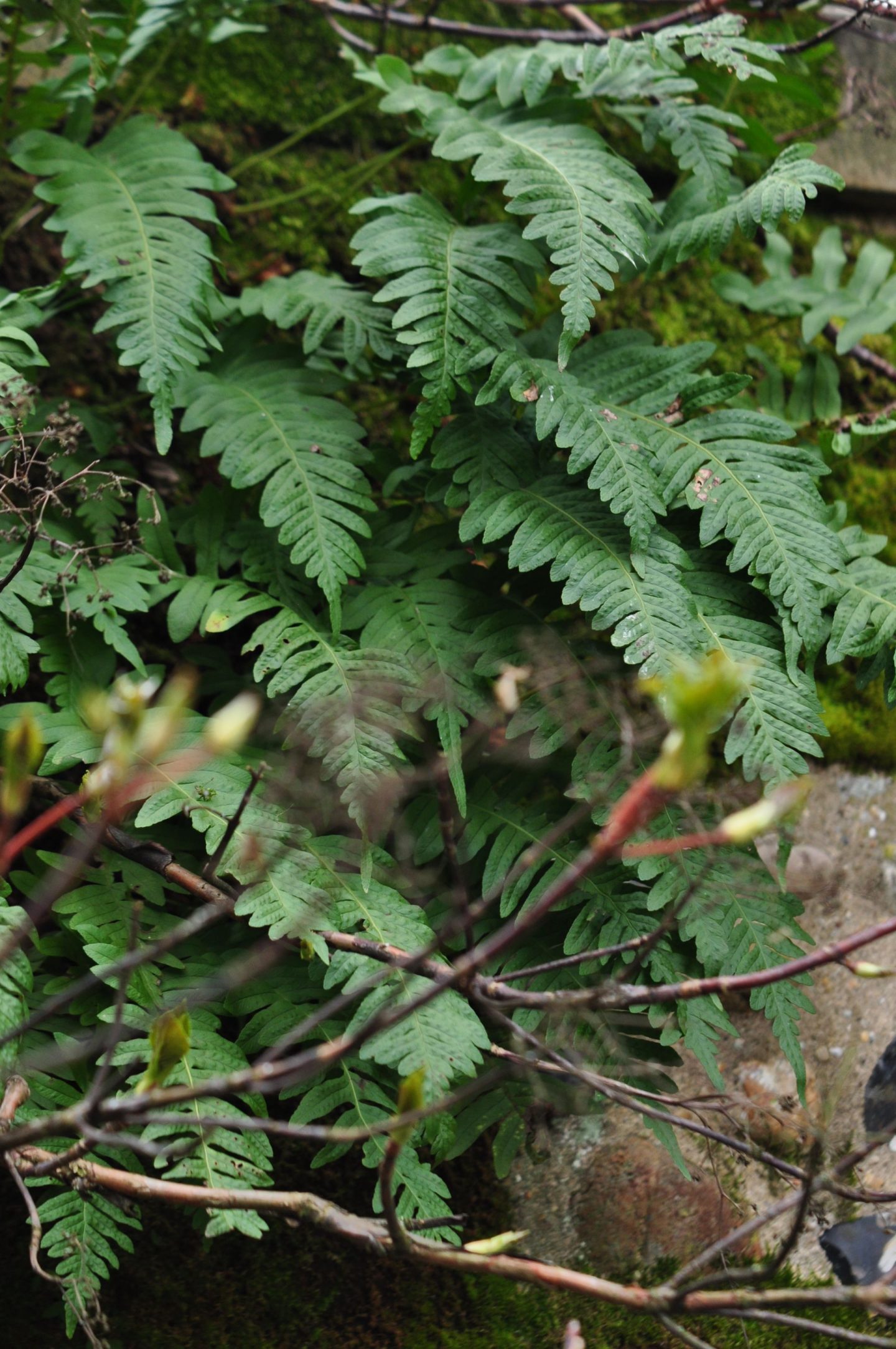
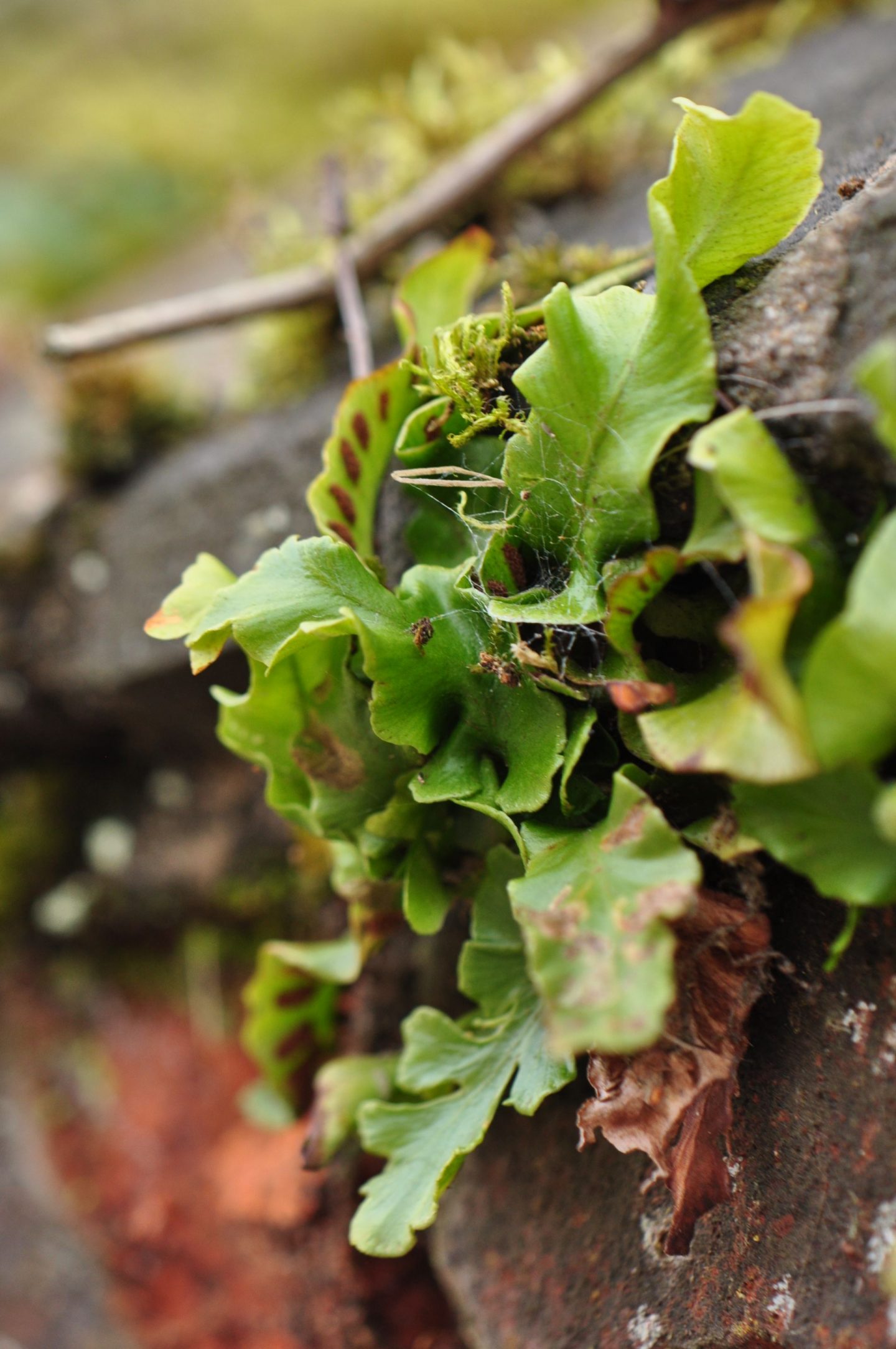
So that’s it! Thanks to these apps I’ve been able to identify pretty much everything you see in this post to species (plants growing out of the old walls around Norwich cathedral have become a new obsession). I firmly believe that the more people understand what’s around them the more they will cherish it, and heavens knows we need more of those people right now. Conservation issues aside though, I hope that at least one of these apps can open up a hidden world for you and show you some of the beauty and complexity of the natural world. They certainly have for me.