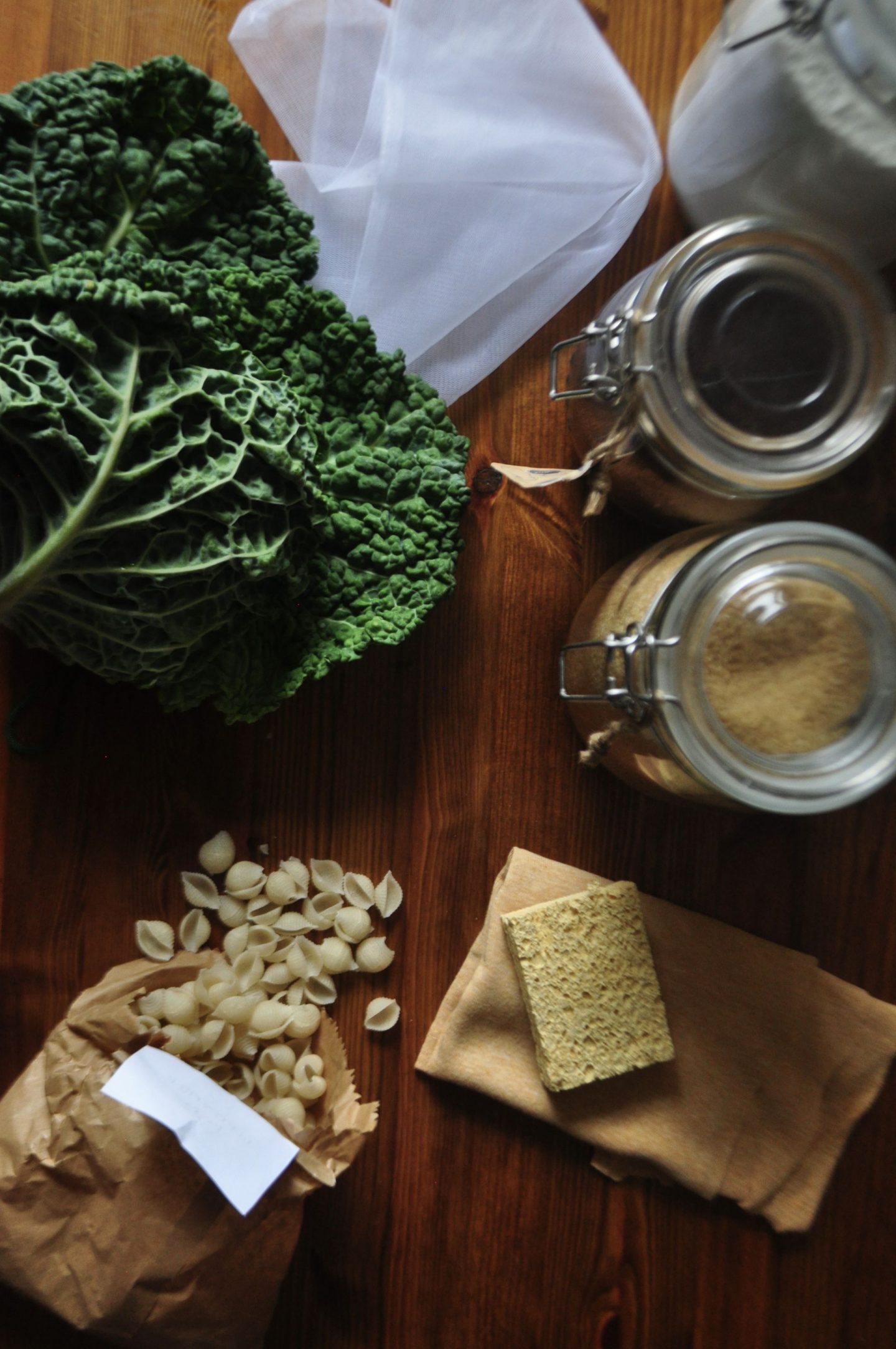
As mentioned in my last post, I’d originally written this for plastic free July, when stuff like this was more in the public eye. Still, because there’s never a bad time to look at this picture of a seahorse and decide that you want to up your game to help save them and their watery kin, here it is in mid-August.
***
The kitchen was probably our biggest source of plastic waste before we started looking at what we could do to reduce it. It probably still is, but the amount of non-recyclable stuff that we end up with has been drastically reduced as we’ve systematically gone through the low-hanging fruit. I’ve tried to focus here on the day-to-day stuff you use in the kitchen that isn’t related to the packaging of food that you bring in- that’s a whole other kettle of (non-plastic exposed) fish, and something that’s probably best to devote a whole post to in itself. But if Pinterest worthy cleaning utensils and environmental kudos float your boat, here are five things to think about right now:
1. WASHING-UP
That sponge and jay-cloth you use? Plastic. Or, to clarify, highly likely to be made of fibres like polyester and nylon, which take hundreds of years to break down and have all the same problems associated with them as all those other types of plastic packaging that get way more attention. What’s worse is that that green scrubby layer on the top of sponges, which always gets worn away with use, is also made of plastic- so you’re unwittingly releasing thousands of microplastics into the environment every time you use it. Why is it that we were so outraged about microbeads in things like face scrubs but that this is, you know, fine?
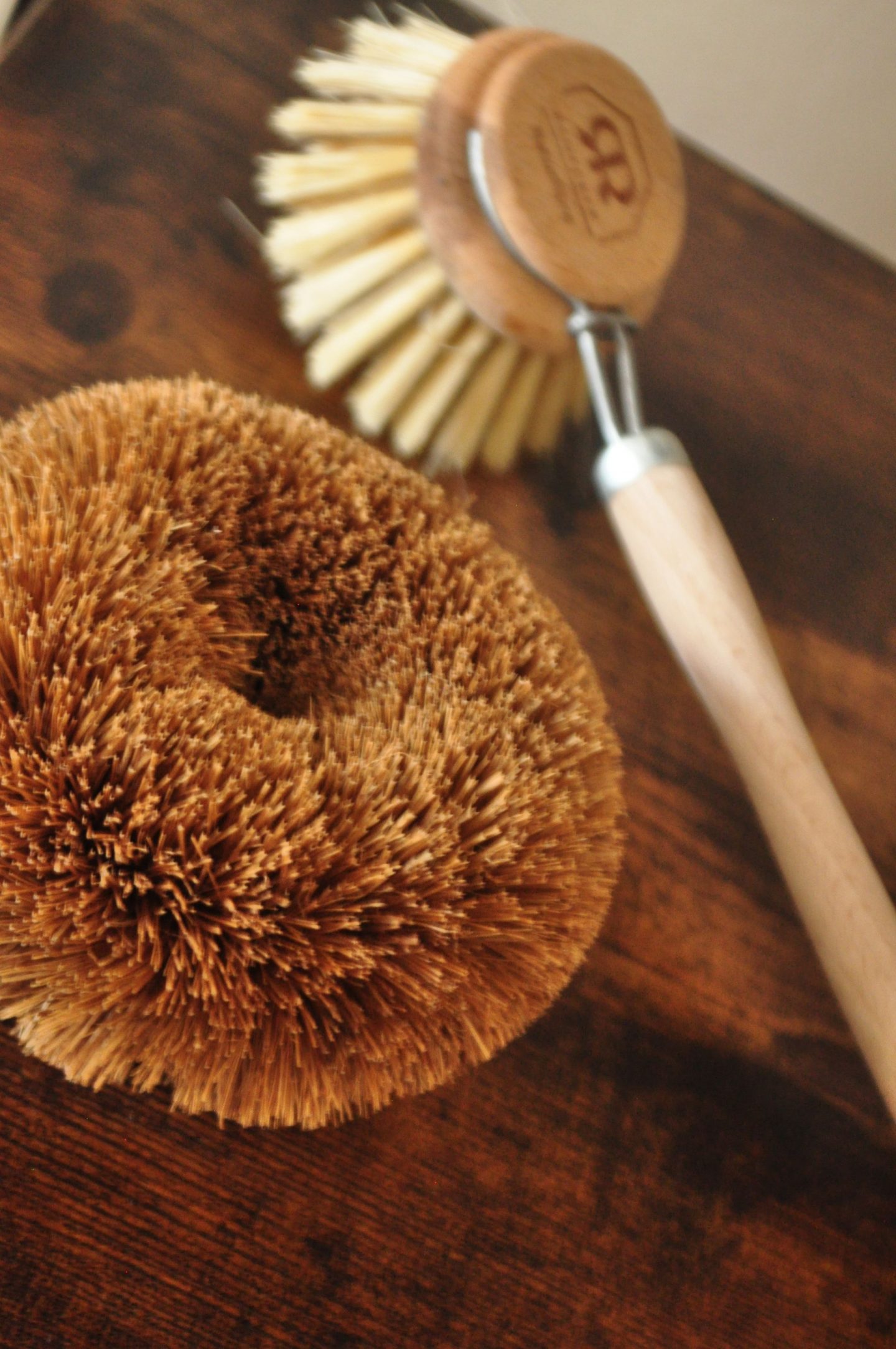
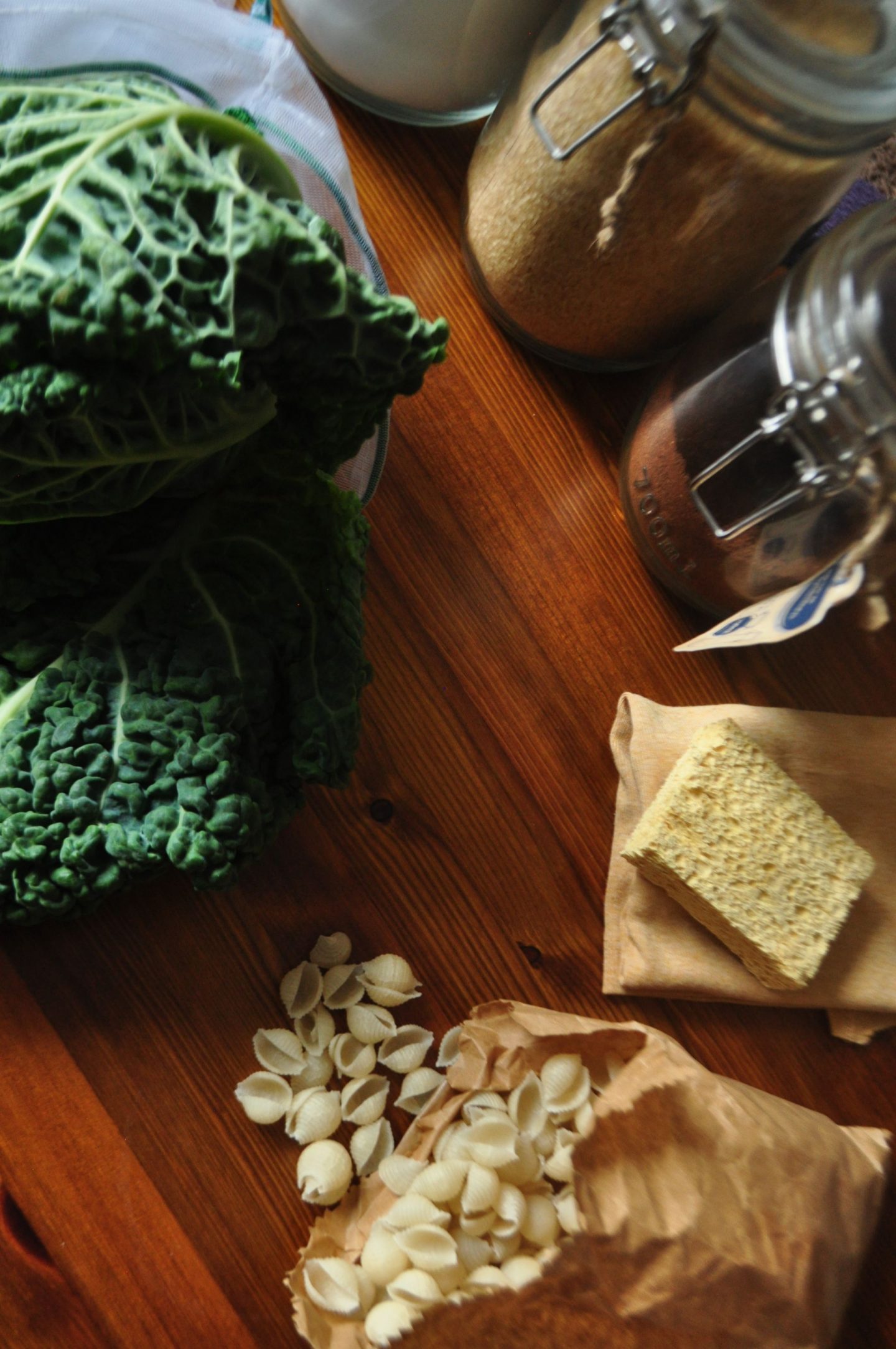
It was watching the green scrubby layer disappear that finally made me switch to an alternative, of which there are so many that they almost deserve a full post. You can get compostable sponges made from plants that you can chuck onto your compost heap once they reach the end of their life (they each last way longer a than a cheap plastic sponge, too). Nonsponges are made with bamboo and cotton and are again fully compostable after they reach the end of their utility. For tougher stains (I feel like I’m writing copy for a fairy liquid ad) you can get coconut scourers made from the husks of coconut shells, and wood and metal dish brushes that are modular in that you just replace the head when and if it breaks or wears out. Don’t want to spend any money? All of our dish cloths are made from cut up t-shirts that were too threadbare to donate to anywhere. After they’re done with their second life, we’ll either compost them if they’re 100% cotton or recycle them if they’re a polyester blend.
2. CLEANING LIQUIDS
Washing up liquid and stuff like clothes detergent are one of the most straightforward things to get from shops that offer refills. I get that this isn’t an option for everyone, but as the zero waste movement becomes more popular it’s increasingly likely that a quick google will come up with somewhere near you that does them. I had some sort of zero-waste epiphany the first time I refilled a bottle of washing up liquid, realising how truly absurd it was that we used put all those resources into making an insanely durable container, used it JUST ONCE, then sent it to get melted down and remade again (or just sent it to landfill). These bottles last for hundreds of years- using it 5, or 6, or 20 more times until being done with it seems like the very least I can do.
3. LEFTOVERS
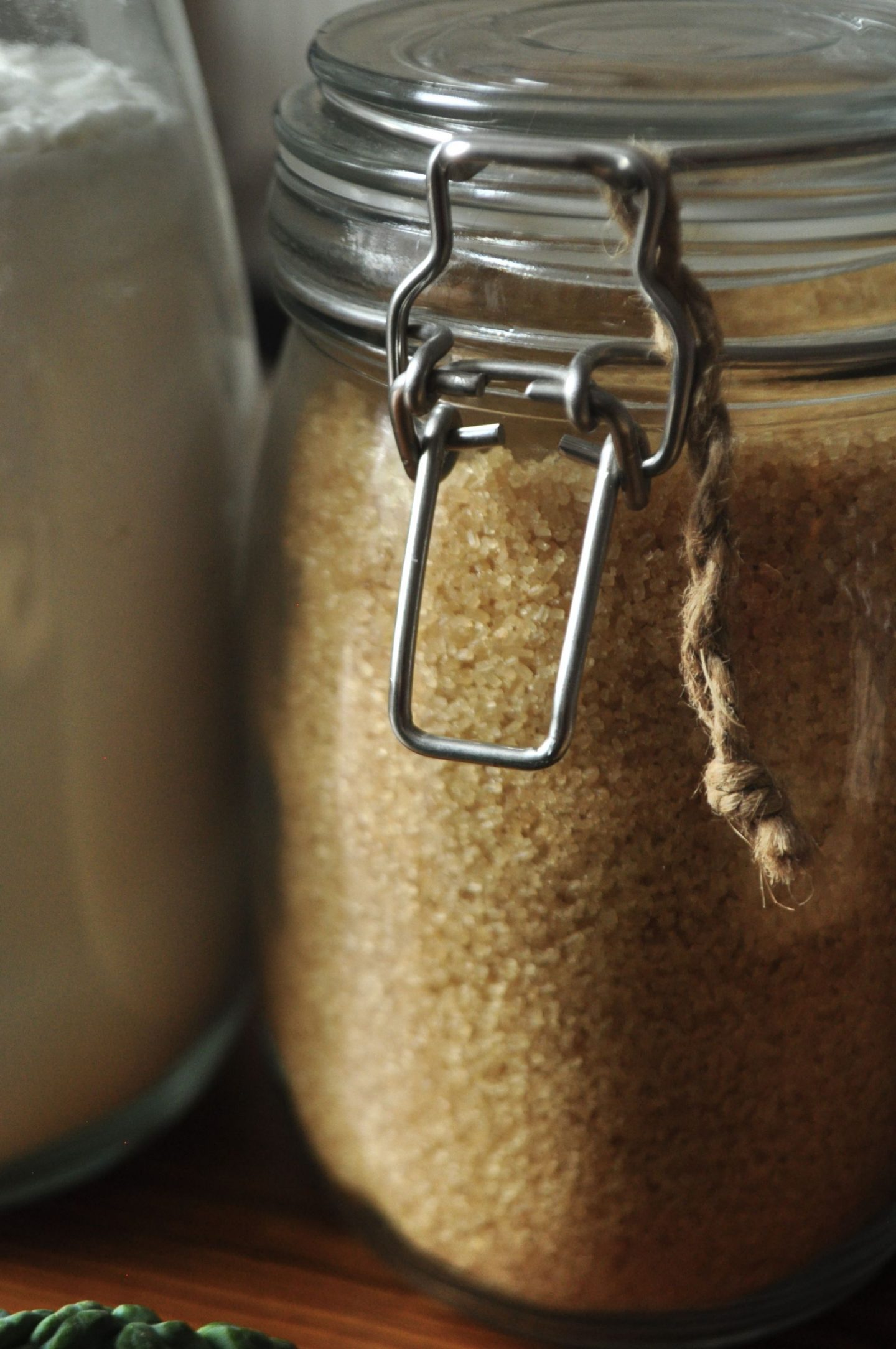
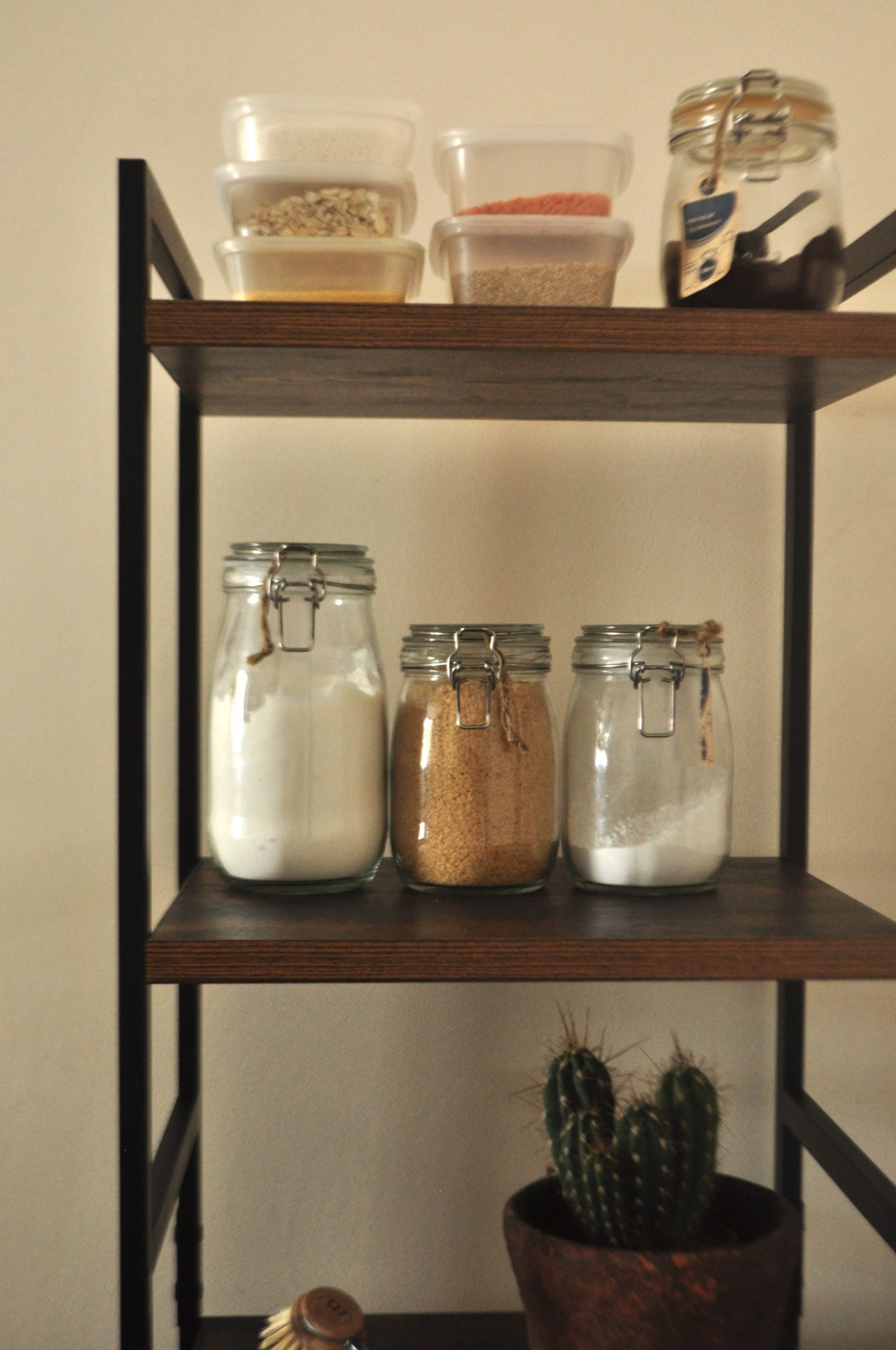
I’ve spoken about becoming the Tupperware queen on here before, but seriously- if you want to banish clingfilm to its rightful place in the history books, get yourself a good collection of containers to put your leftovers in. You can splurge on a set of aesthetically pleasing containers, and we do have a couple of glass jars and bottles that bring me great aesthetic joy- but in truth 95% of our “Tupperware” is made up of old pesto jars and ice cream tubs. Maybe not the nicest thing to stare at but they live in a cupboard or the fridge so 🤷♀️. If transferring things over to Tupperware isn’t your cup of tea you can always consider wax wraps – I’ve had my eye on these whale shark ones for literally years, but we get along fine with our eclectic collection of receptacles. If you’re really stuck, just go full student-house stick a plate over a bowl. I can’t remember when the last time we bought clingfilm was and have no regrets- save your containers and join me in having a meltdown every time you watch Bake Off and see them slathering everything in the stuff.
4. FREEZER BAGS
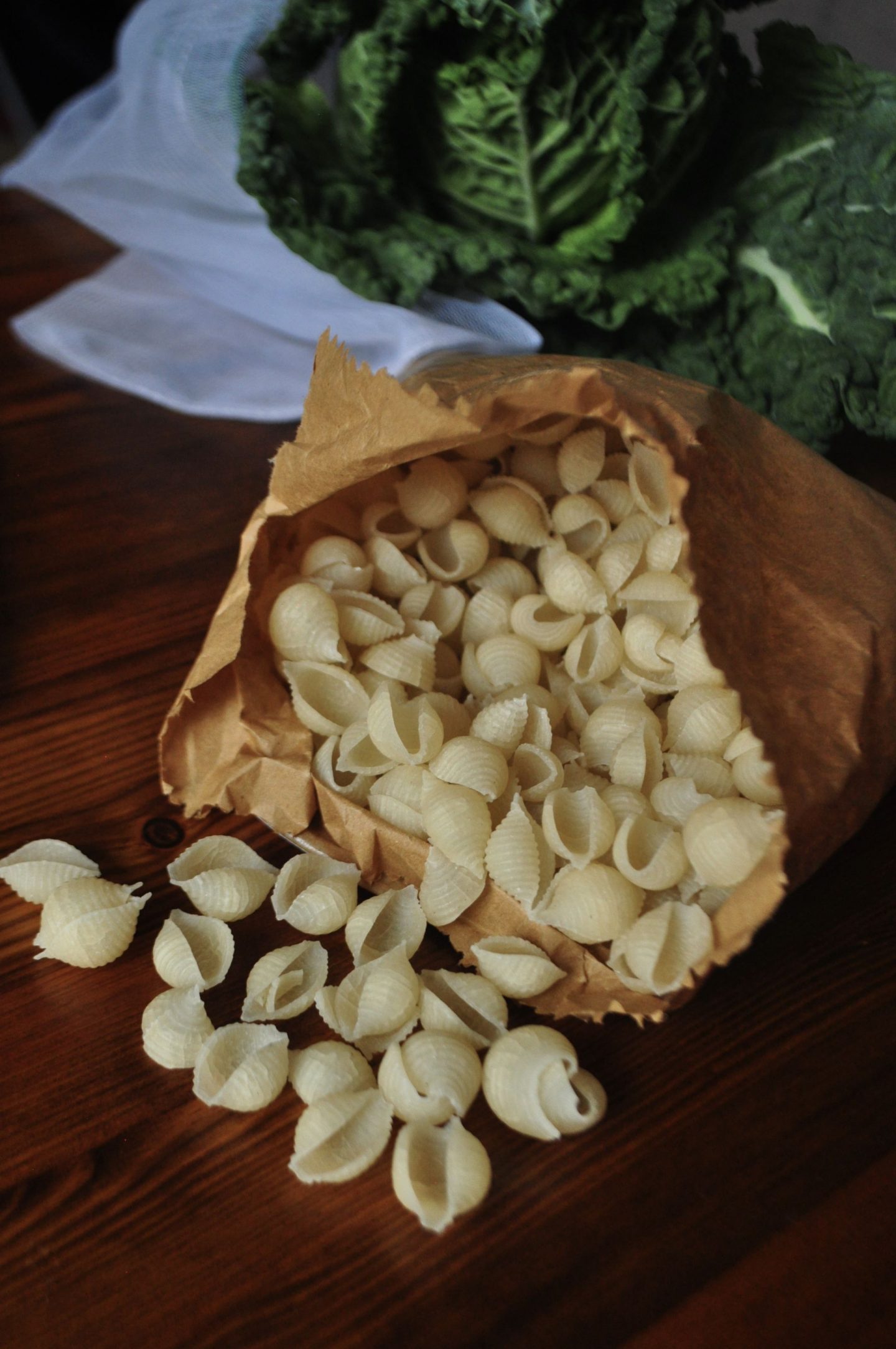
We’ve stopped buying them, and are ensuring to rinse out and re-use any random ones that we find in the back of the cupboard to make sure that they at least get one or two more lives. All those random pieces of Tupperware from before – ice cream tubs, old take away containers, etc do just fine in the freezer- we particularly covet plastic peanut butter jars in which we can freeze compote, sauces, berries, and all other good things. Though it’s seems to be a bit of a taboo we do also freeze things in old glass jars and have yet to have an issue – the key seems to be to make sure to that you give anything inside plenty of room to expand and freeze it first without the lid, but I’d read this guide first before doing it.
5. KITCHEN TOWELS
Like toilet paper, highly likely to come wrapped in a plastic film that can’t really be recycled. I keep meaning to write a post about the nuances of plastic recycling but they get really ranty- long story short, this sort of plastic can’t enter a loop, which means that it usually gets downcycled into something that will eventually end up either in landfill or the sea. Who gives a crap do paper-wrapped rolls, but the question is, do you really need to use a disposable towel in the first place? We mop up our spills with the aforementioned stash of cut up old t-shirts and sponges – the t-shirts can be thrown into the washing machine if they get too mucky and come out good as new.
On a plastic-free roll? There’s posts on a plastic-free bathroom, plastic-free periods, plastic-free tea, and plastic-free travel (the latter of which is clearly just aspirational at the minute as obviously none of us are going anywhere soon- but one can hope).

