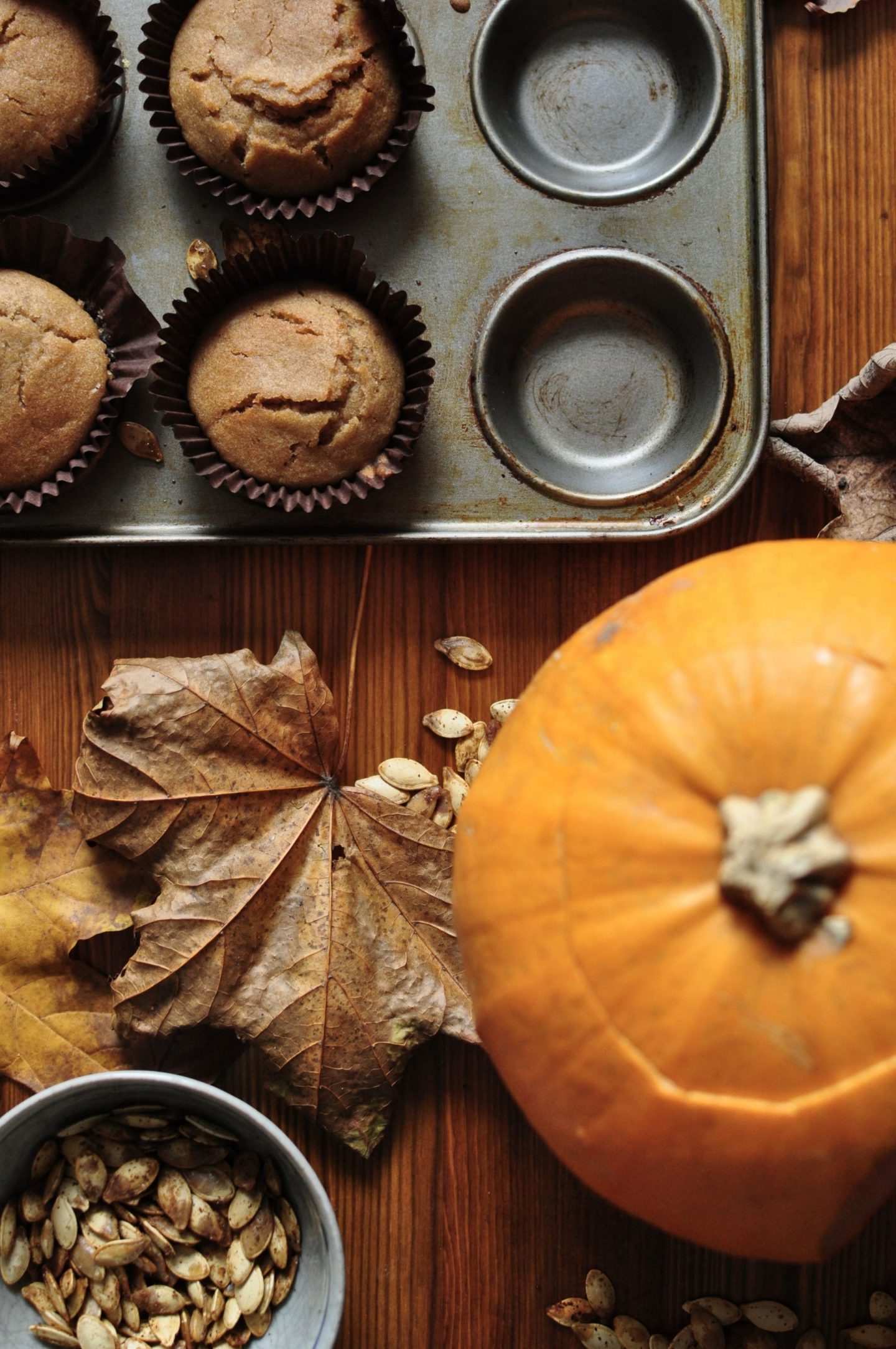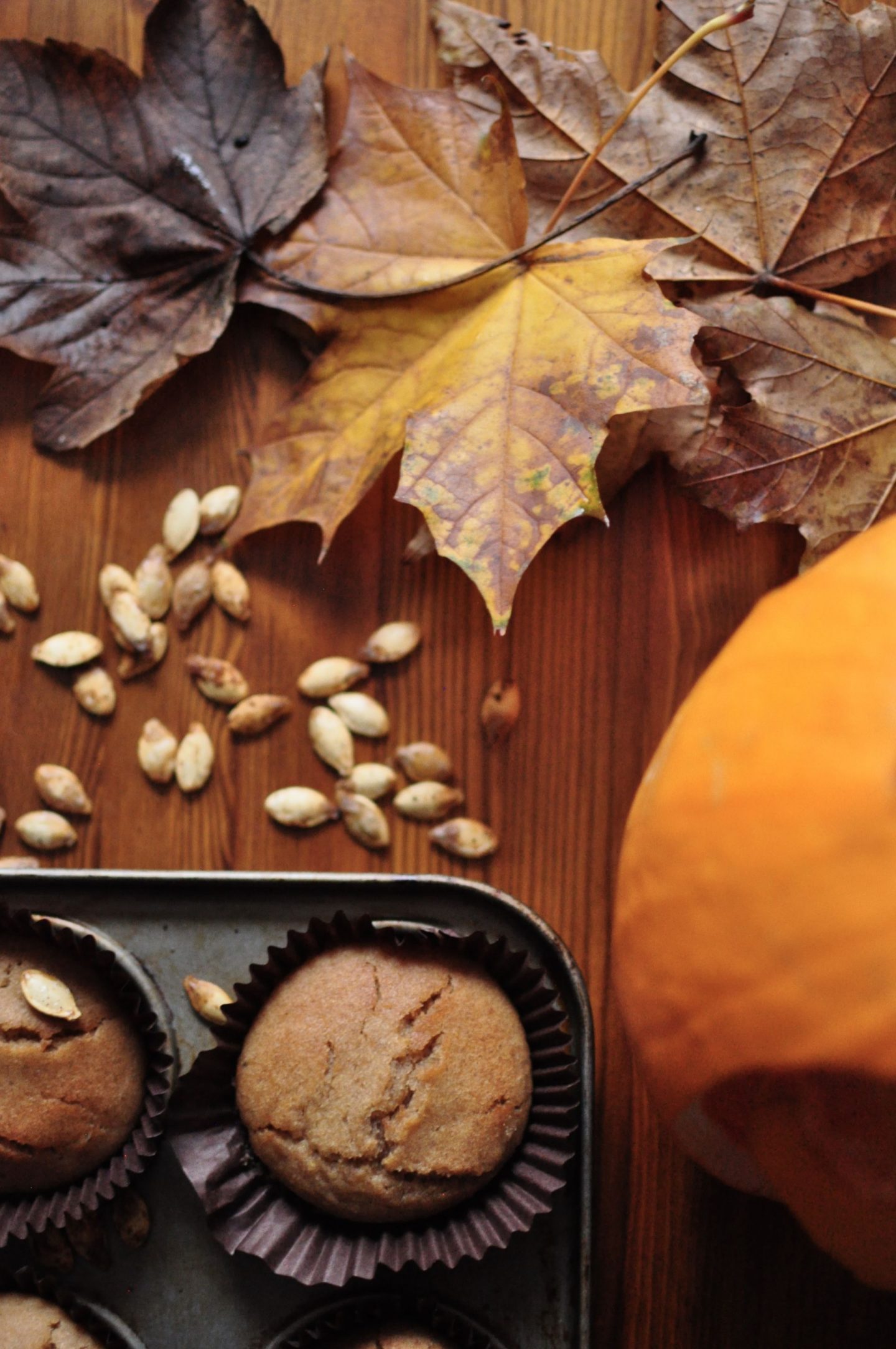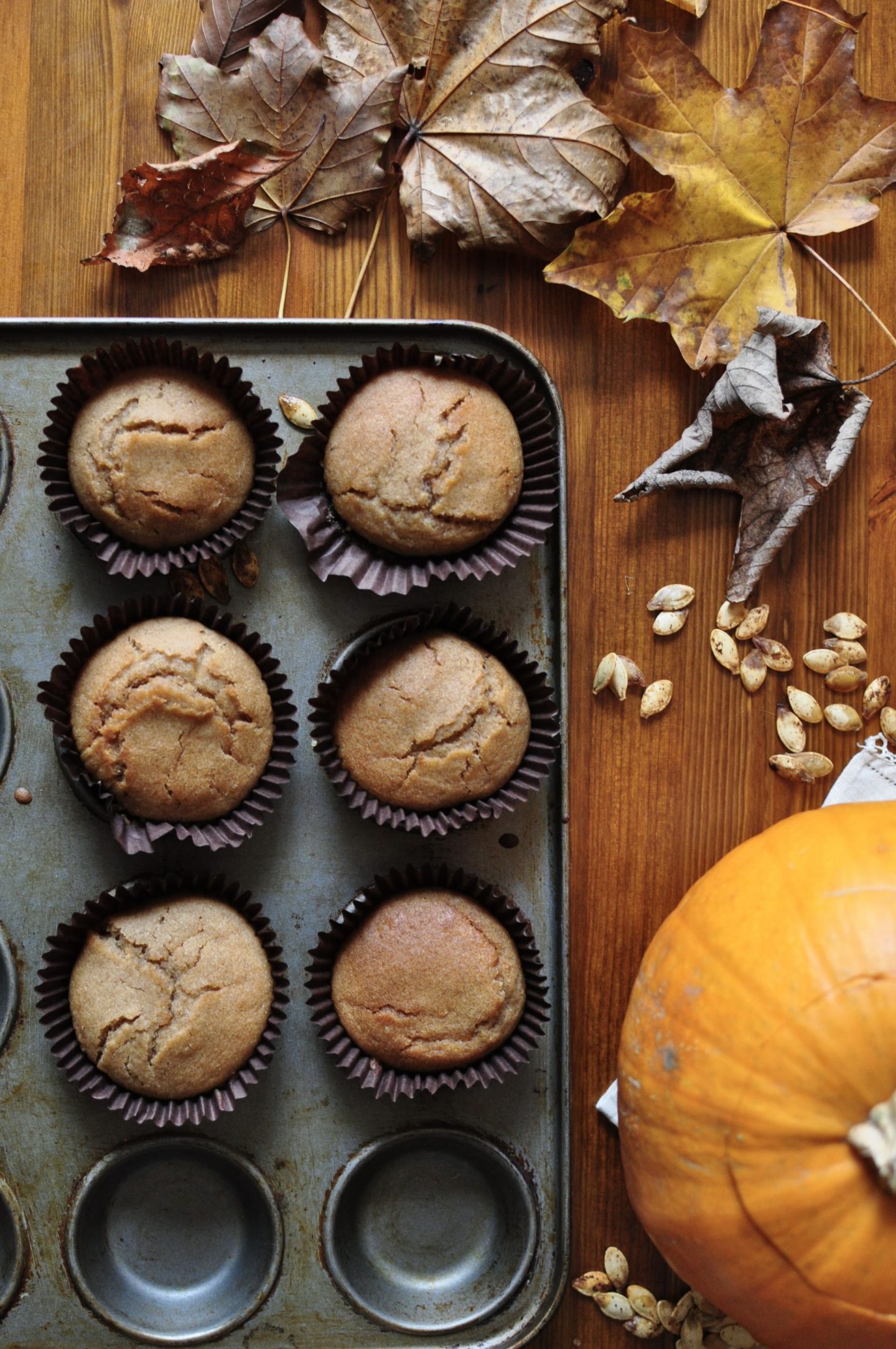
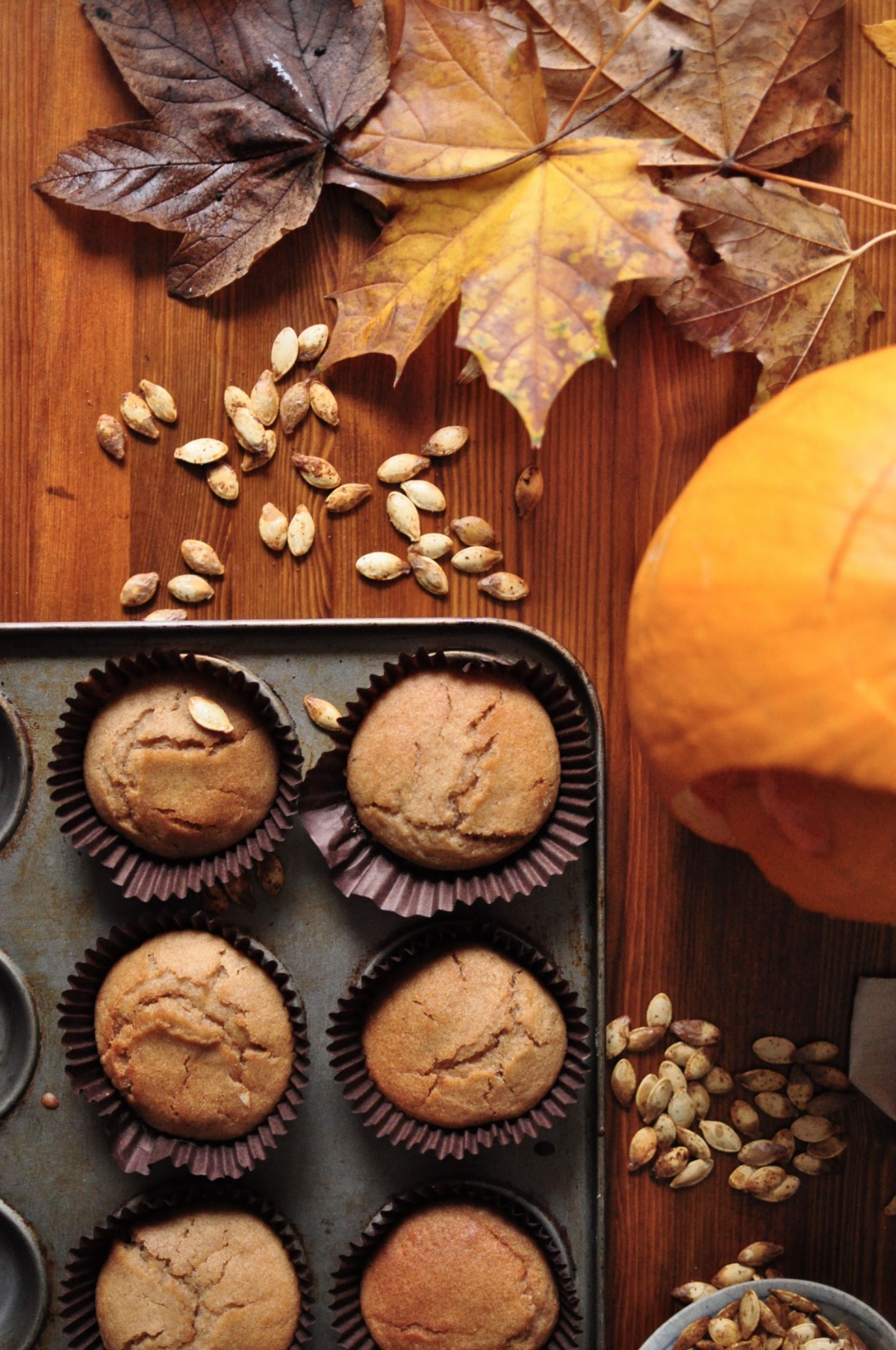
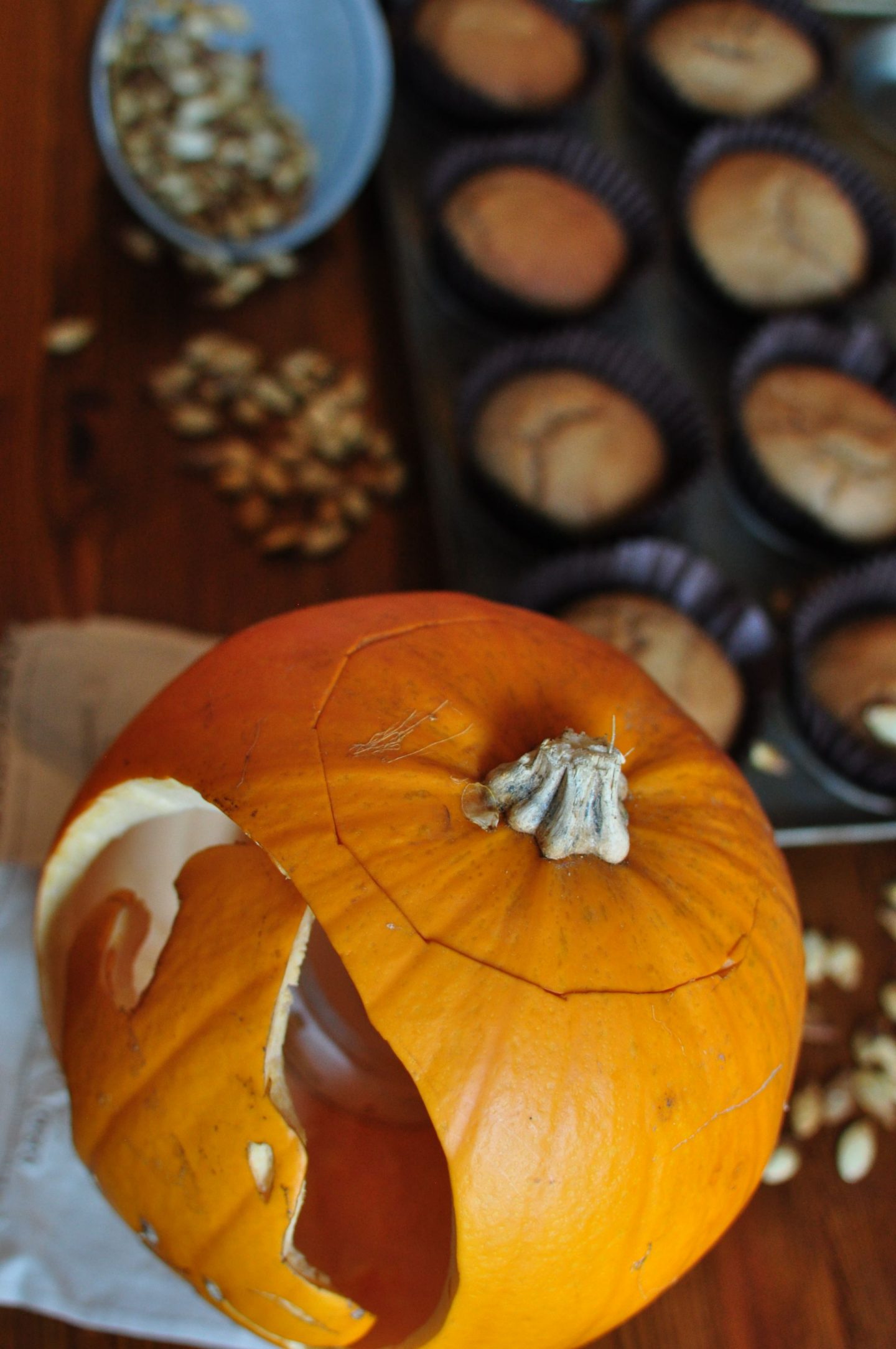
Embracing all the lovely things about this seasonal change has been the source of many of the small joys a lot of us are holding onto these days. Chief among them during these last few weeks of October has been pumpkin carving, which is something relatively new to me but which has been a very effective conduit through which to bask in all things Autumnal (nothing beats a hot chocolate with an episode of taskmaster and your pumpkin glowing gently in the background). Something that I hadn’t bargained for however was how much of a domestic goddess I felt like after I spent some time learning how to use up the discards. Which it turns out is a good thing, as over 18,000 tonnes of perfectly edible pumpkin flesh is wasted in the UK each year. So here’s some ideas of how to use your whole pumpkin, whether you’re carving it or not:
(1) TO EAT OR NOT TO EAT
Firstly, it’s probably worth mentioning that there are limits on what you might want to save. As soon as you’ve carved a pumpkin you’ve started to let bacteria in, so I wouldn’t use the actual ‘carved’ outer shell to do any cooking if you’ve been using it as a lantern for a few days. The key thing is to concentrate on the discards -i.e. the flesh that’s scooped out when you’re hollowing the pumpkin out. It’s worth remembering that the thinner you make the walls of the pumpkin the more flesh you’ll have to cook with. The pumpkin will also be easier to carve, but is likely to lose some structural stability so you may not be able to enjoy your lantern as long. I usually use a spoon to scoop out the insides, placing all the flesh into a bowl.
(2) THE SEEDS
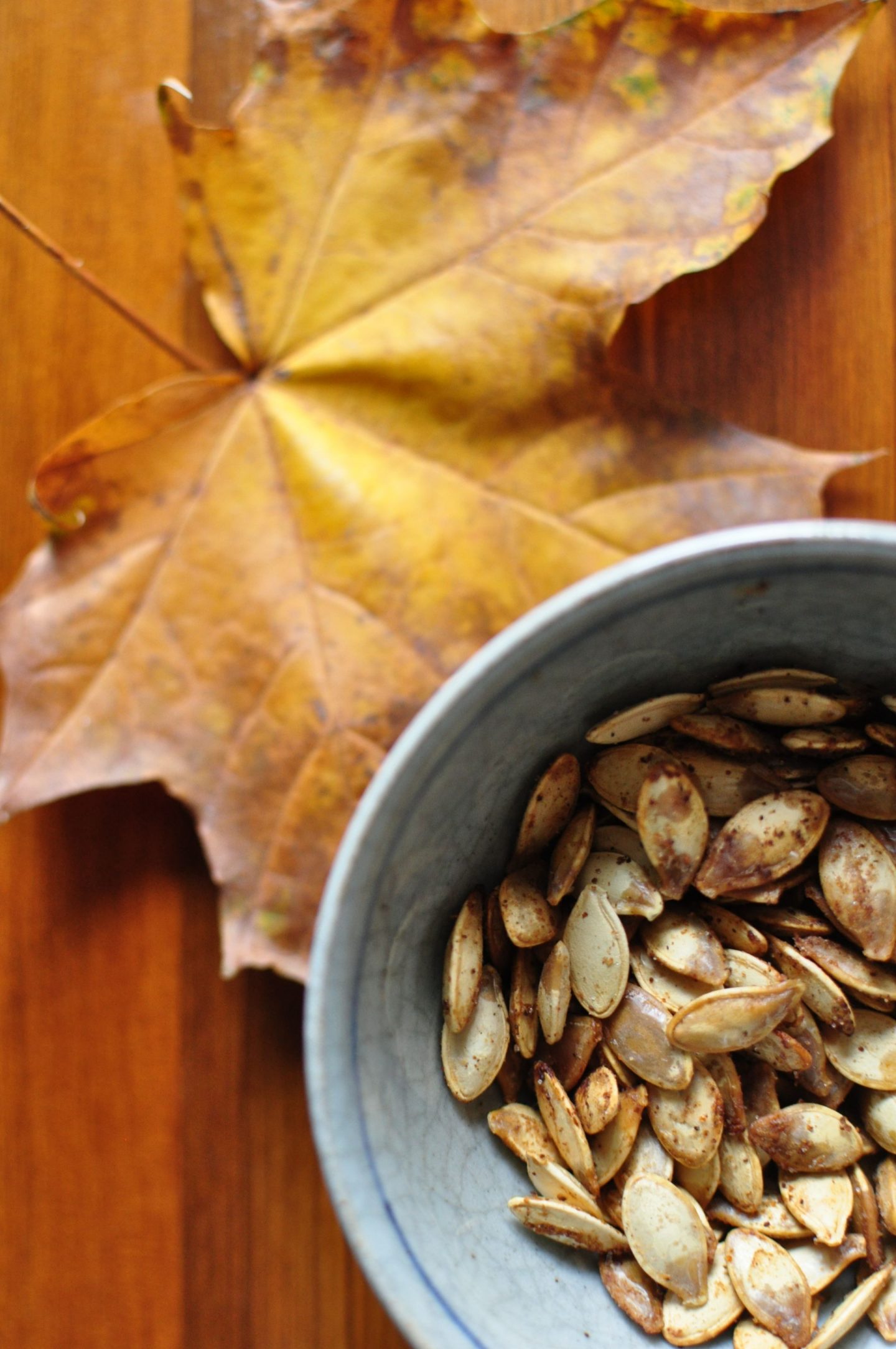
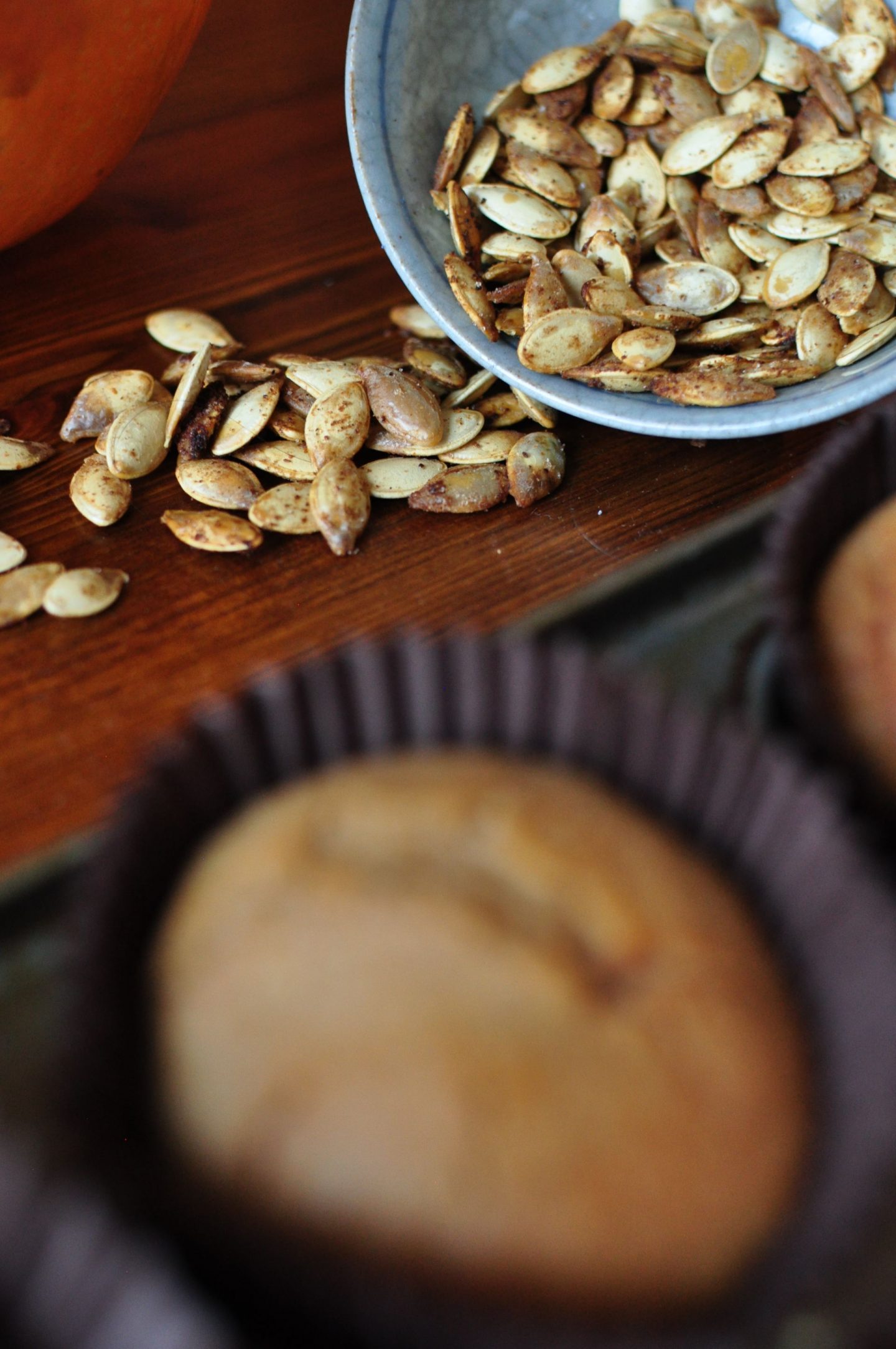
Probably the most straightforward thing to save. You can separate them out into a bowl while you’re scooping (get stuck in with your hands- separating the seeds from the pulp is a top notch sensory experience). Normally I just rinse with water, spread out onto a tray, sprinkle with salt, garlic granules, paprika and a bit of olive oil, and stick in the oven for around 10 mins- but a browse of Pinterest will come up with a zillion different spice combinations (including some honey roasted varieties 🤤). They make a great plastic-free replacement for crisps!
(3) THE PULP
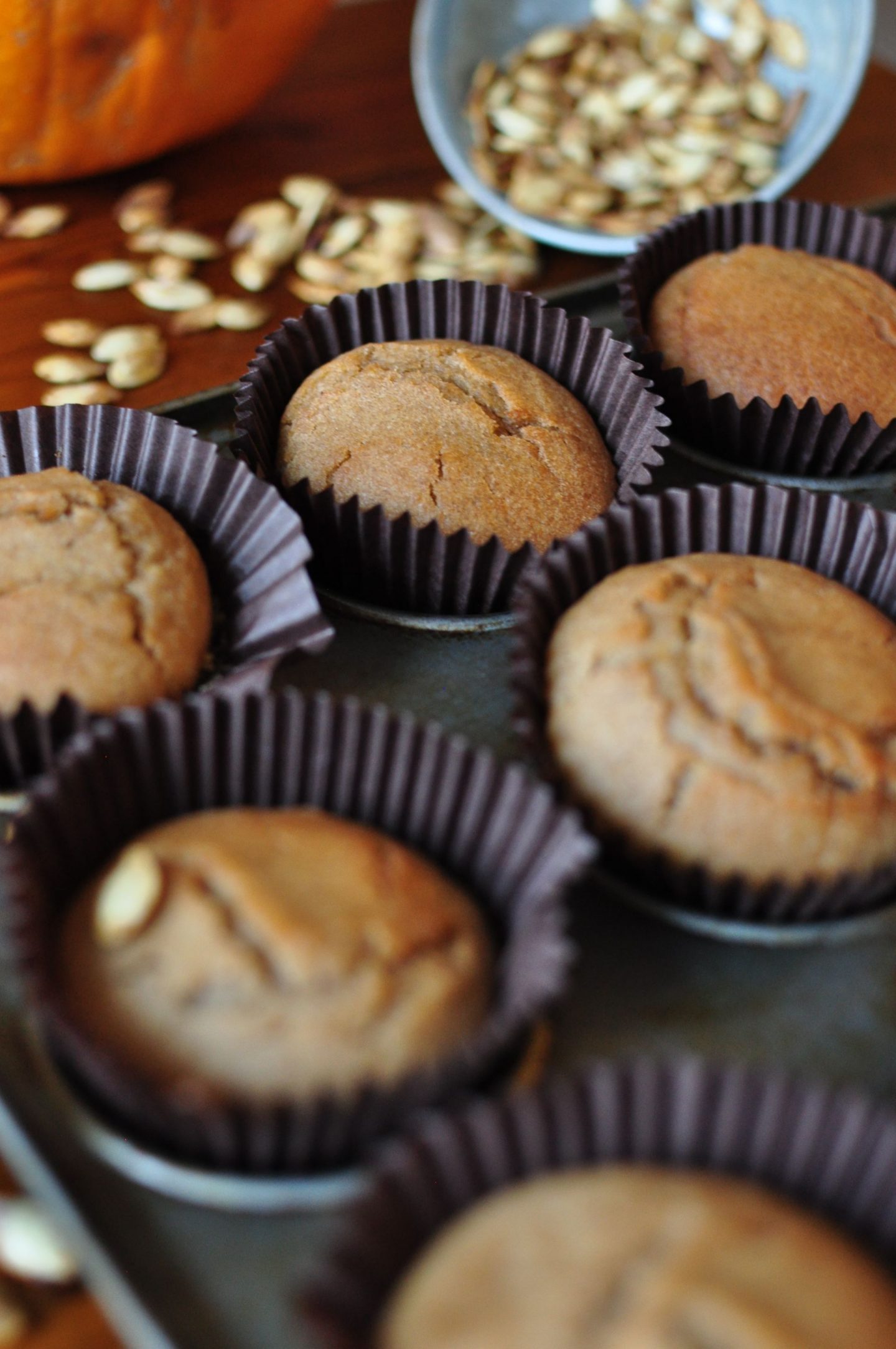
The juicy bit- quite literally. My go to here is this muffin recipe – I turn the bowl of pumpkin innards (now seedless thanks to step two) into puree by blending after squeezing out a bit of the water (no need to be too meticulous about this- you need a bit of water to loosen the mixture anyway). You don’t get that violent orange of a pie recipe, but each one is a perfect parcel of cinammony goodness – light and fluffy but with an added layer of depth from the pumpkin. Brb freezing 18 batches of puree so I can have them even when pumpkins are out of season.
If you want something less breakfast-y and more desert-y, you also can’t go wrong this banana pumpkin caramel cake. Sounds a bit out there- will change the way you look at the vegetable forever. Because the pumpkin is more on show in this recipe, it’s probably worth making pumpkin puree the proper way (i.e. by peeling the pumpkin and cooking the flesh by roasting or microwaving, then mushing it together). Obviously this prep doesn’t lend itself as well to using up the bits of the pumpkin that you scooped out – but if you have a spare whole pumpkin it could be a good way of using it up.
On very rare occasions when muffins are not on my agenda, I usually chuck the pumpkin into this curried carrot soup, which I’ve waxed lyrical about on here before (I believe my exact words were ‘warmed me to the very tips of my toes‘). A bonus of this is that as you’re blending it anyway there’s basically no prep- I just take out the stringiest bits of pumpkin and throw the rest at the adding lentils stage.
(4) THE END
Finally, a plea to compost any bits of the pumpkin that you don’t eat if you possibly can. The reason is that organic waste like food scraps doesn’t degrade in landfill – to break down your pumpkin will need air, but landfills these days are generally anaerobic (“air-free”) environments. This means that your pumpkin will either persist for a really long time, or break down anaerobically, a process that produces methane gas (yes, that thing of 25-times-more-powerful-than-CO2-as-a-greenhouse-gas fame). And I think we can all agree that’s something we want to avoid these days.
Happy carving! x