Before you proceed any further, I demand that you open this in a new tab and press play. Have you done it? Good. Then we can continue.
Nobody comes to Brussels for the Natural History Museum. It’s not particularly big, and not particularly well known. Being a connoisseur of this sort of thing, however, I added it to our itinerary when we spent a few days in Belgium back in December. And now I’m here to convince you to move it straight to the top of your list, because it has the most incredible dinosaur exhibit I have ever seen. Ever.
Let’s travel back all the way back to 1878, 322m below the ground, in a coal mine in Bernissart, western Belgium. The miners are about to dig through a pocket of clay, little knowing that they’re about to make the mother of all finds: thirty, that’s 3-0, relatively complete iguanodon skeletons. A telegram is sent to the Belgian Royal Museum of Natural History, and the excavation begins.
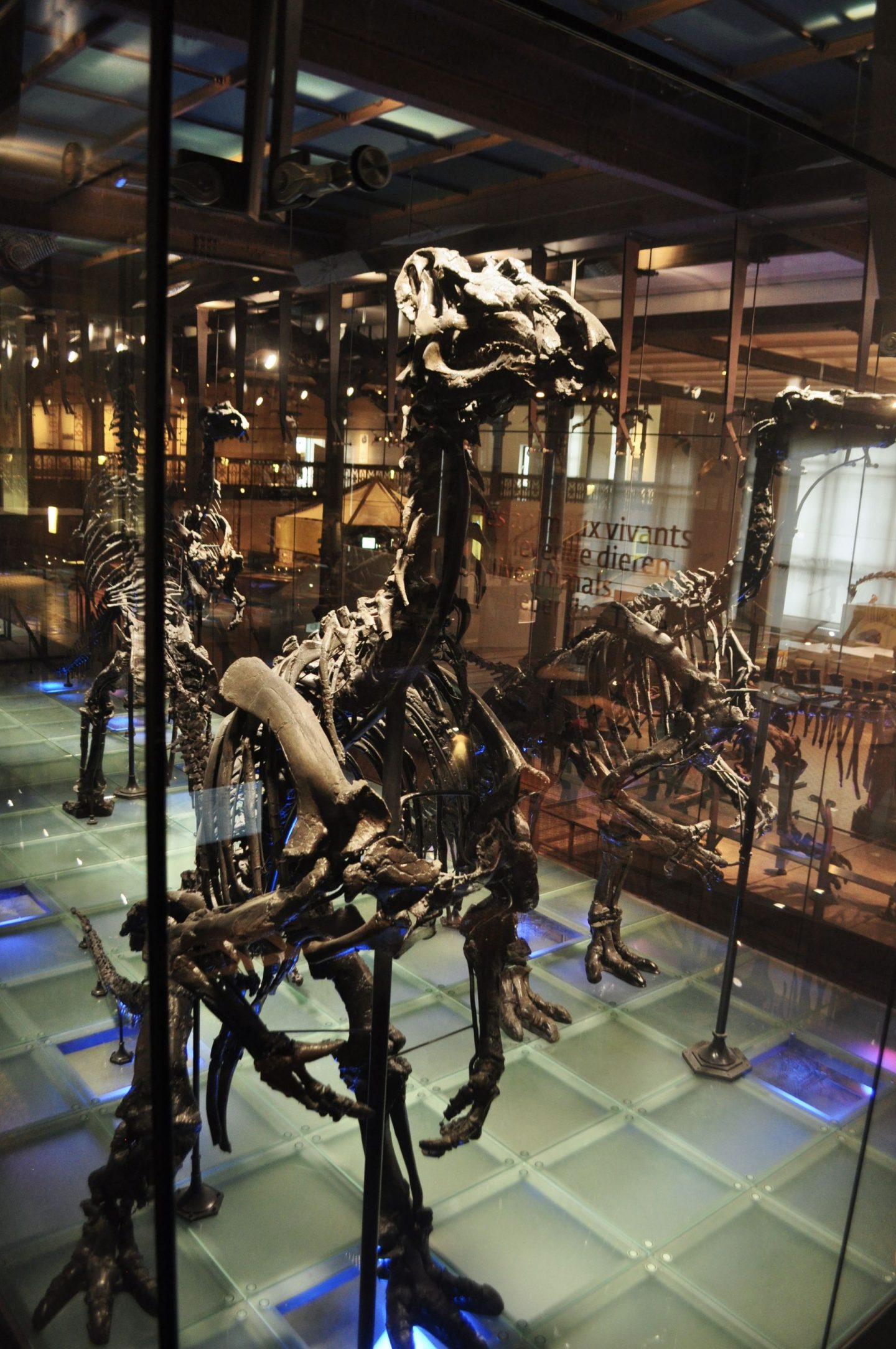
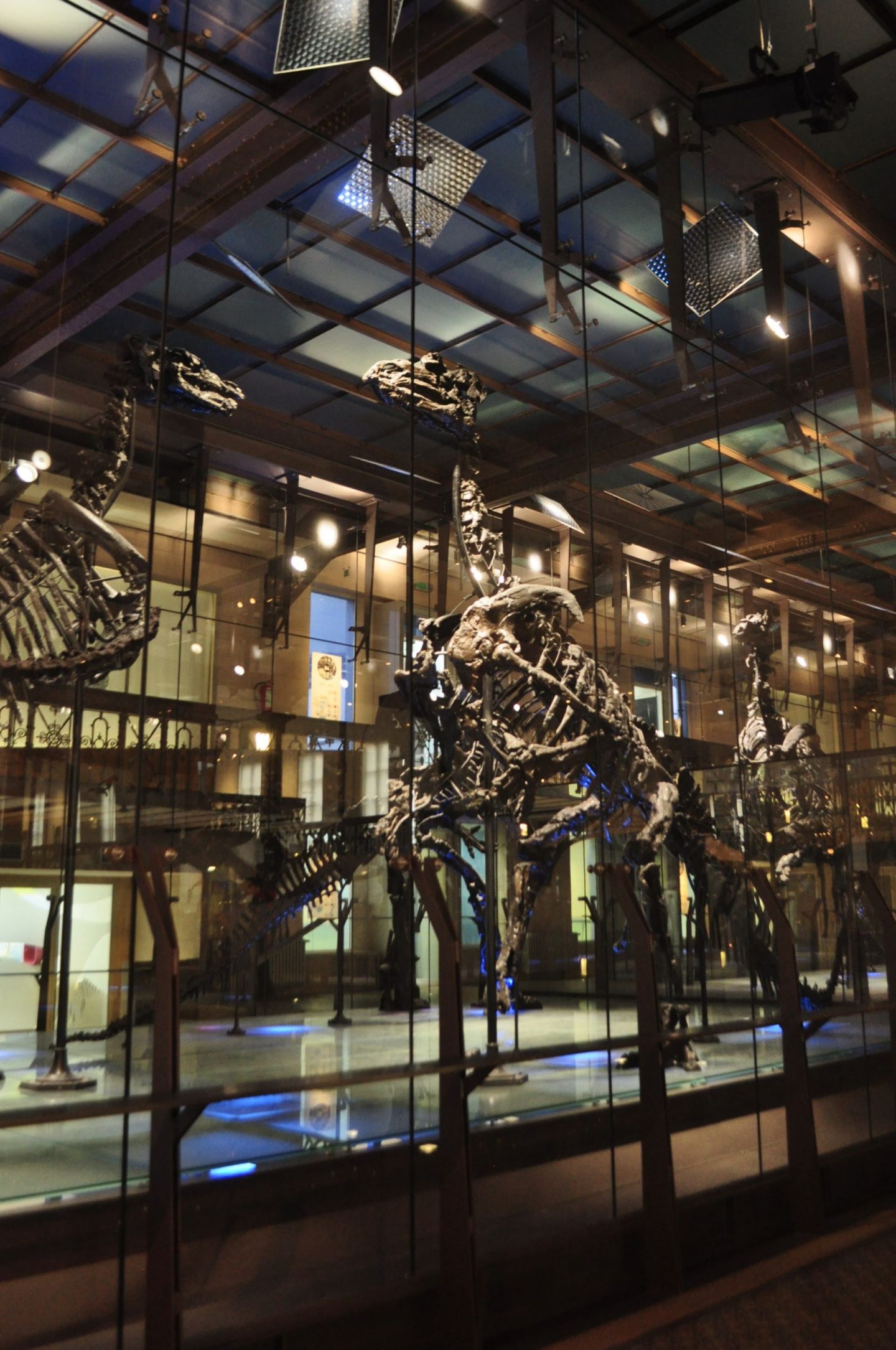
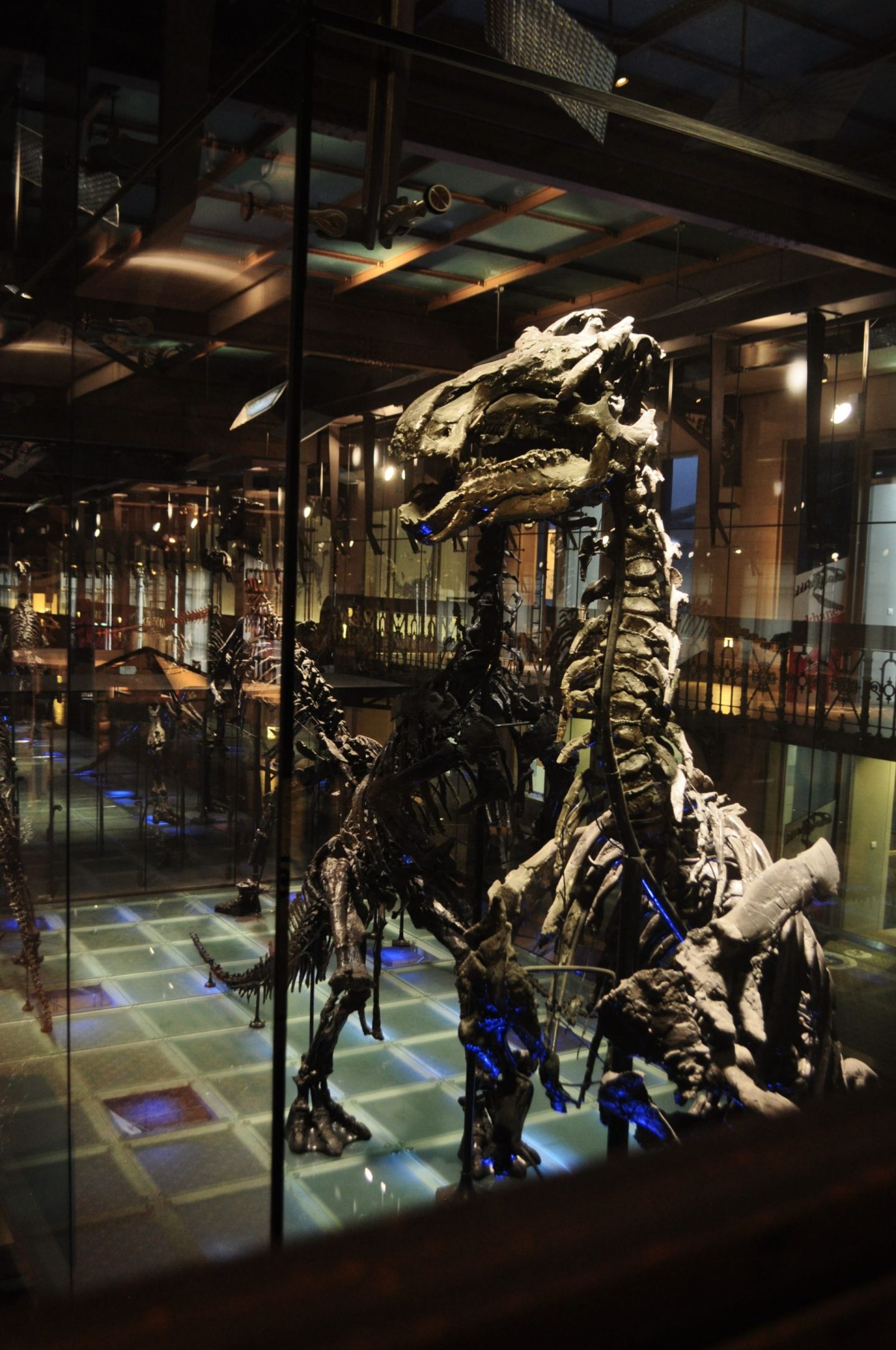
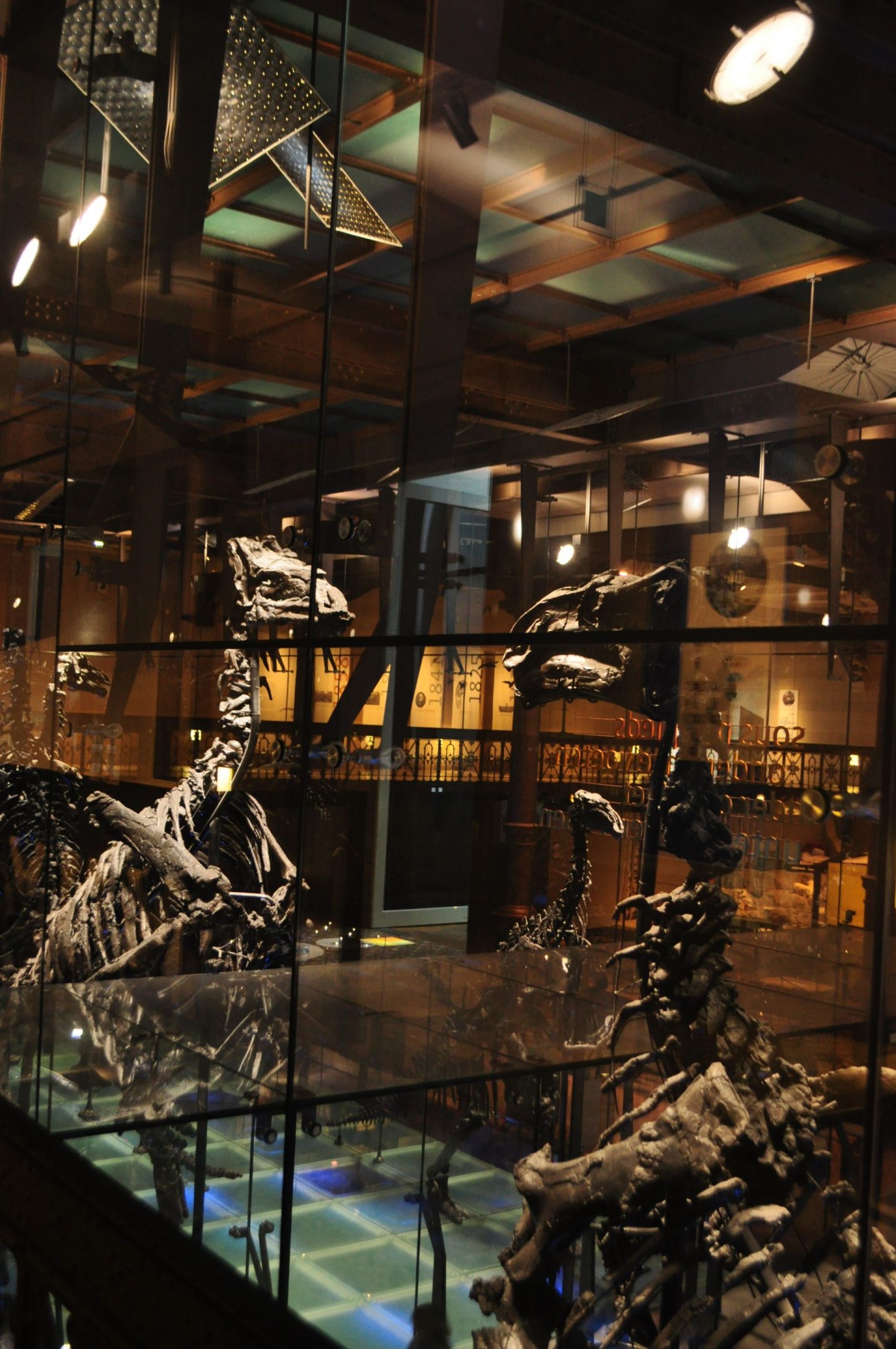
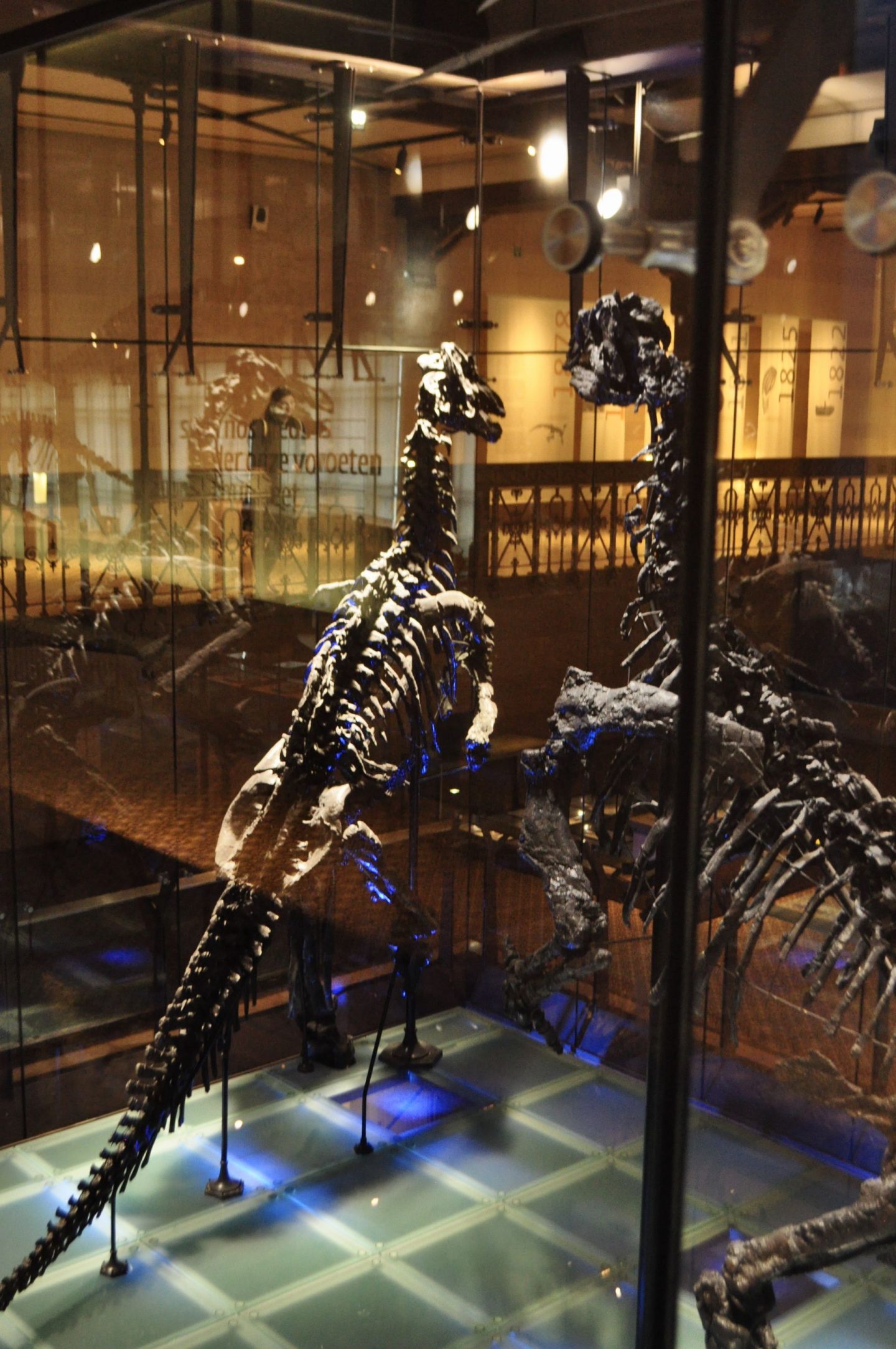
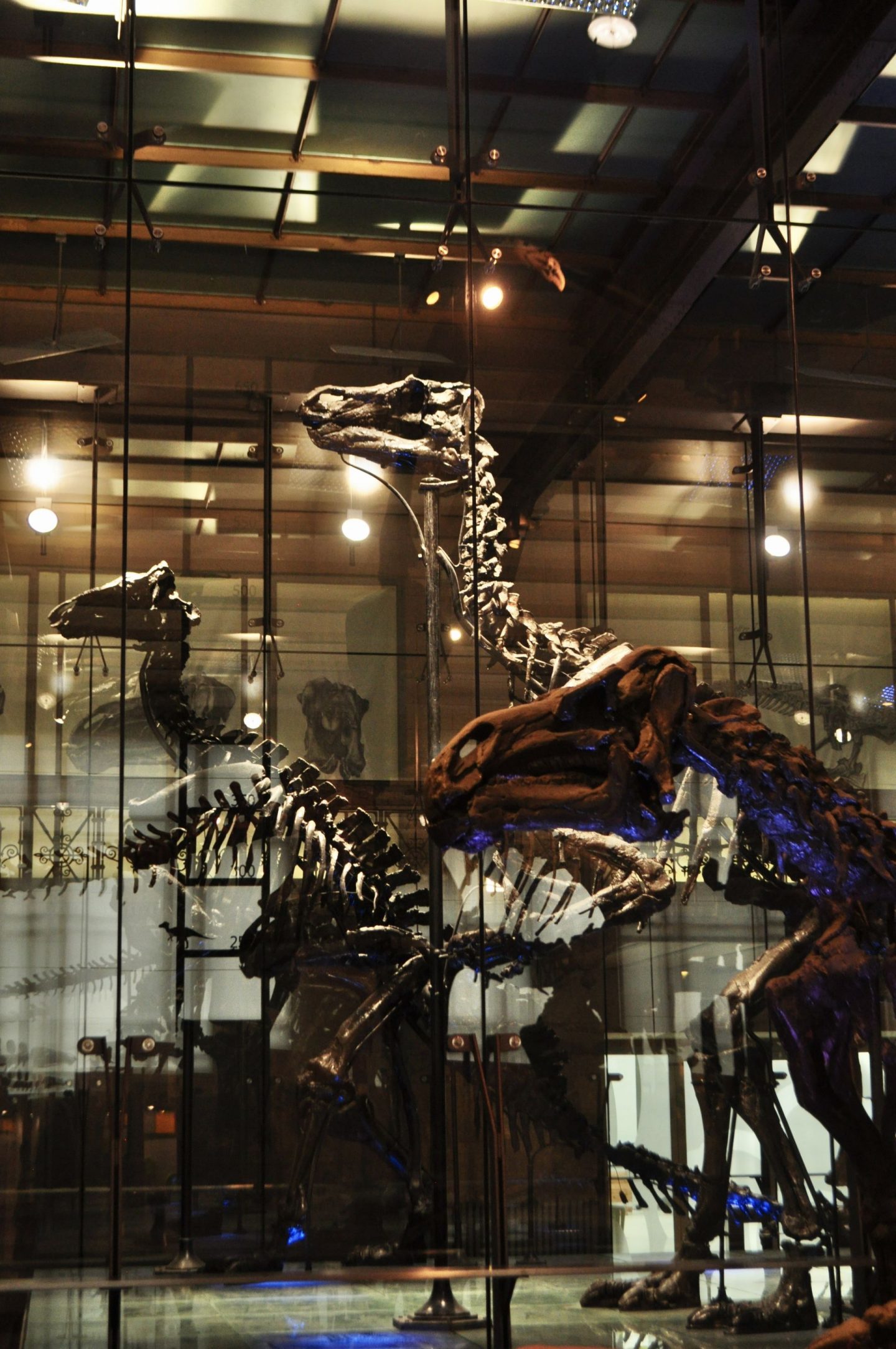
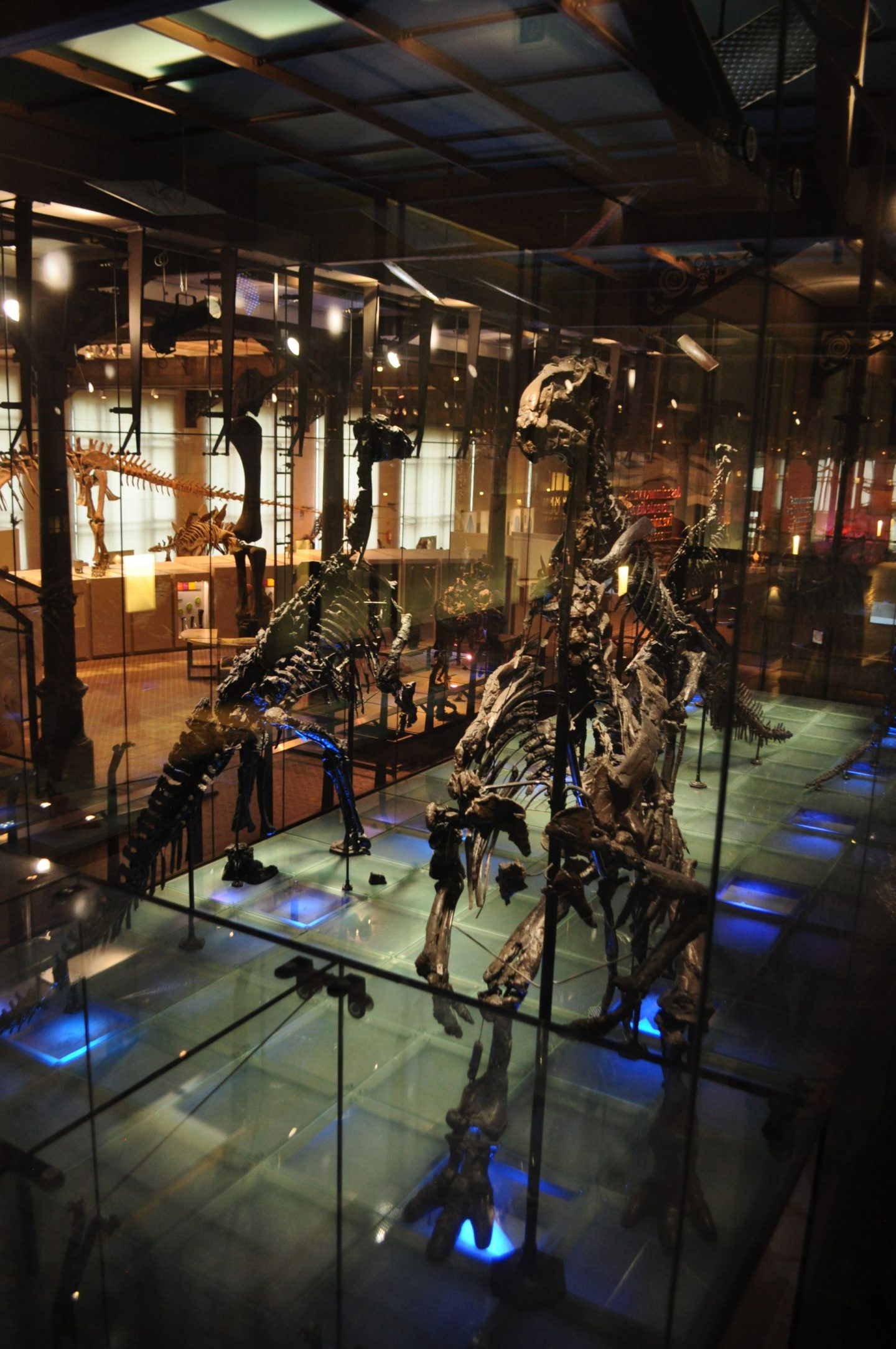
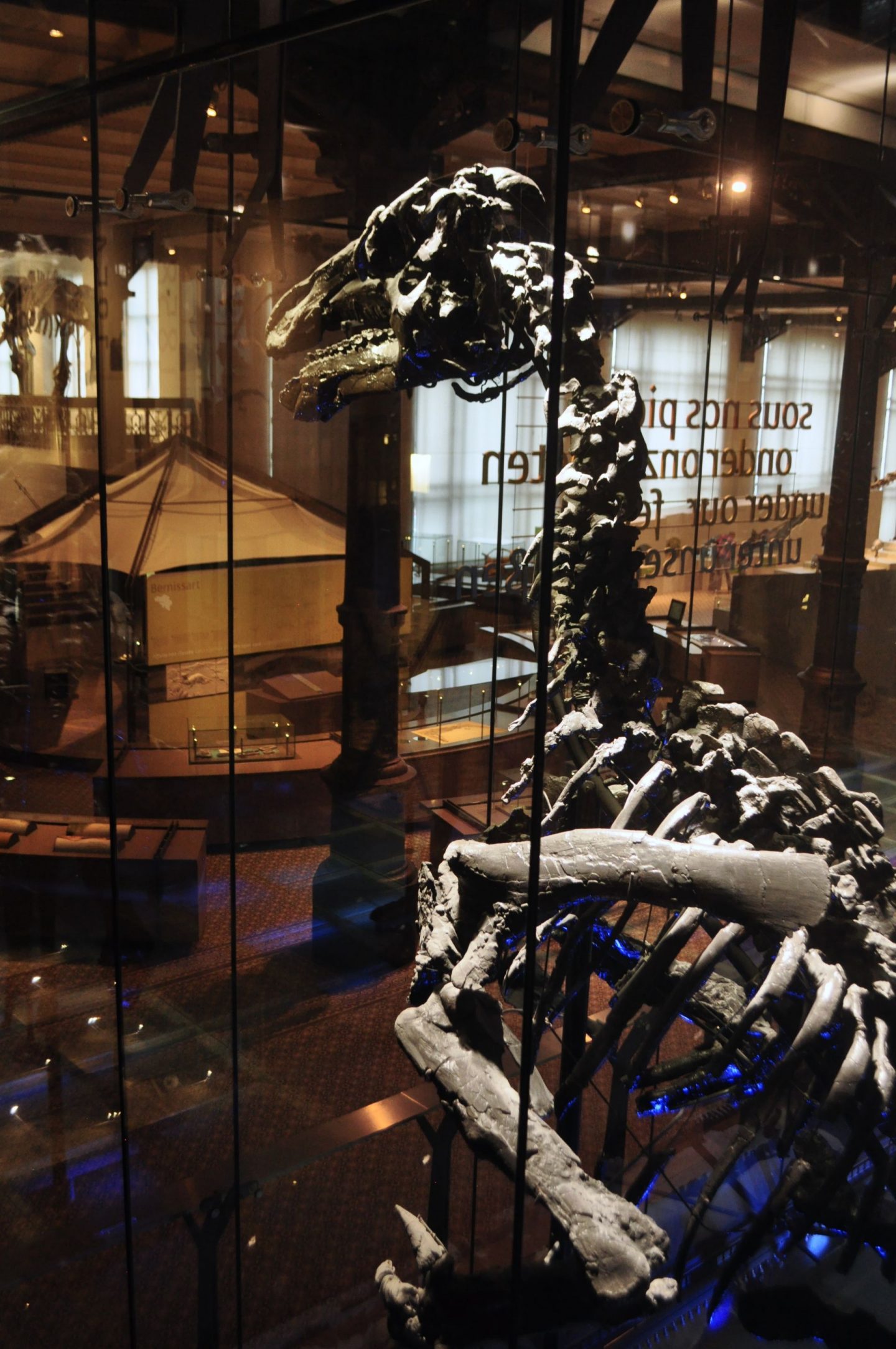
Fast forward to an early December morning in 2019, and a rather delicate feeling couple who sampled a fair proportion of Delirium cafe’s gluten free beer menu last night are entering the natural history museum. I’d never heard of the Bernissart discovery, but can testify that walking into a hall with a full herd of 10m long dinosaurs is an excellent hangover cure. They are, quite simply, a marvel – seeing full dinosaur skeletons is always amazing, but this is the closest you’ll ever come to being able to imagine what a herd of them must have looked like. And the display of them- oh, the display! Covering the size of a tennis court, you can admire the iguanodons as they tower over you from ground level, or you can head up to look at them from the balcony which weirdly made them seem even taller. There’s a tunnel leading through the centre of the exhibit so you can literally walk among them, and the whole thing is suspended over a basement level where you can see what the specimens would have looked like when they were discovered in the ground. It honestly feels as if you’ve interrupted a spell that was in the process of bringing them back to life.
And it’s not just any old iguanodon you’re looking at- these are the iguanodons, with the scientific name- Iguanodon bernissartensis– literally being based on these specimens. The fact that every single one of them is a real skeleton, and not, as is often the case with these sorts of show-stoppers, a cast, is mind blowing. So even if you’re not in need of a cretaceous-themed hangover cure, I cannot tell you enough times to get yourself to the Brussels natural history museum. It’ll raise the bar for dinosaur sections so high you’ll need 30 iguanodons to reach it.