

While the months following our house move last May were a bit of a tight squeeze financially (fridges, washing machines, tools), and we were trying to prioritise the ‘important but boring’ purchases ahead of those primarily driven by my Pinterest board, there was one exception I had to make- and that was getting a moth trap. I’d been perusing websites and arguing whether I could justify the expense, and at the time the answer was firmly no. But then a second hand one became available, and it was just too good an opportunity to pass by. It was dropped off at our house, and it was love at first sight.
For the uninitiated, the ‘trap’ is basically a large bucket, filled with egg boxes, with a bright bulb on top that’s joined to the bucket via a funnel. The moths are attracted to the light – go down the funnel and get trapped in the bucket – then spend the night under an egg box that mimics somewhere they’d feel safe in nature. The next morning you can take out the egg boxes and see what’s been caught- the moths are pretty sleepy and won’t fly away. Trapping doesn’t harm the moths, and they get released the next morning to spend the day somewhere away from predators.
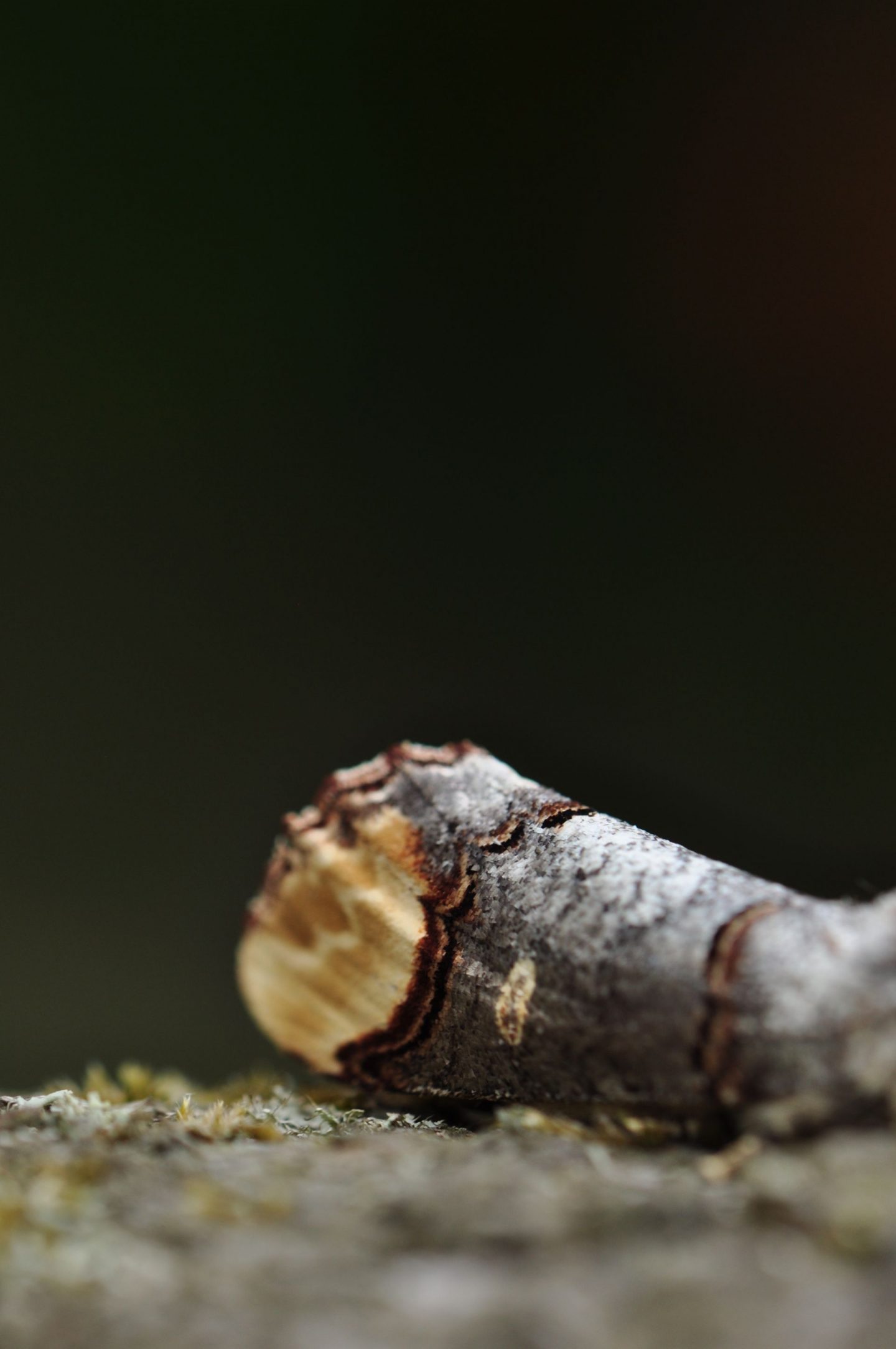
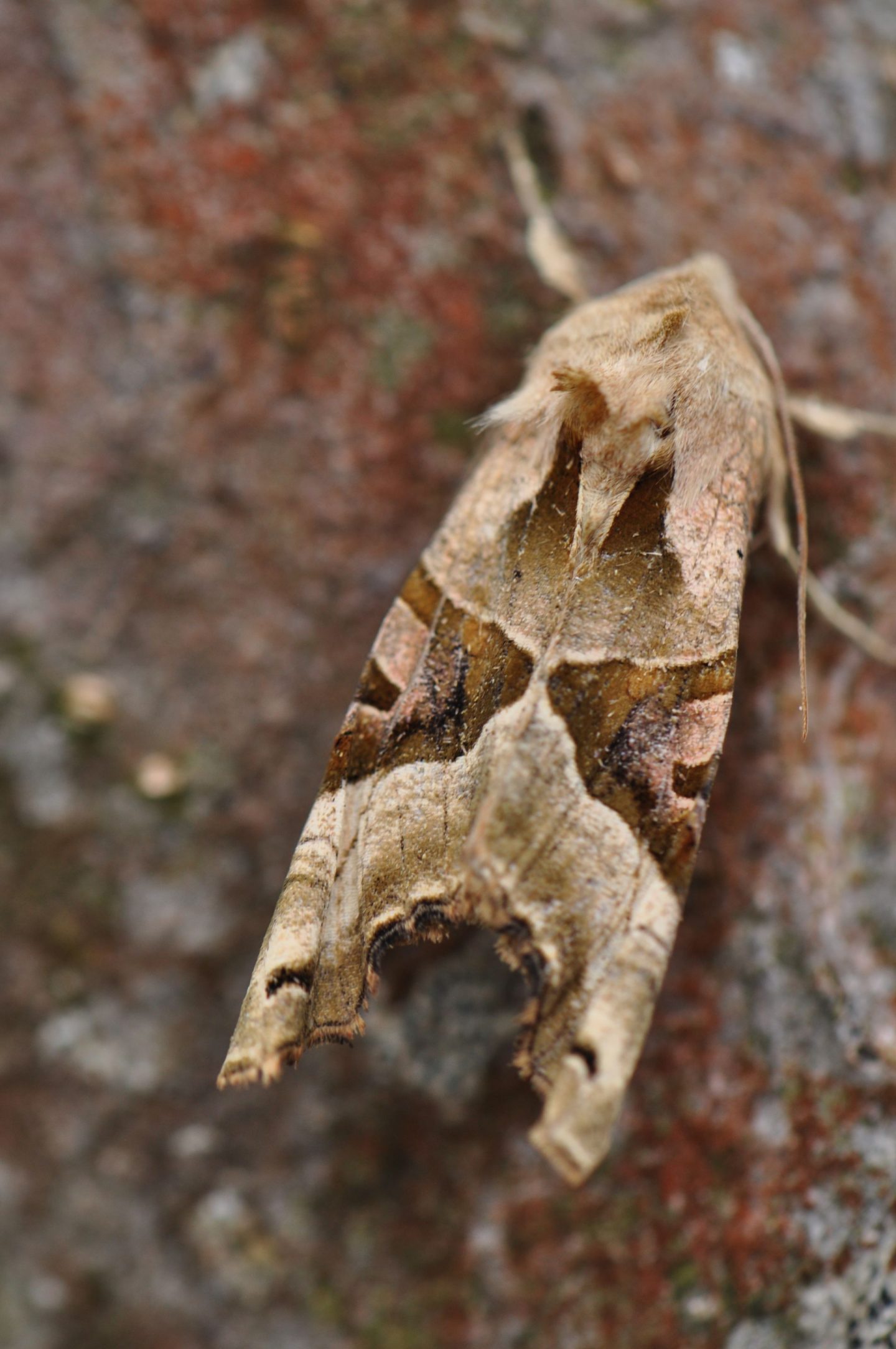
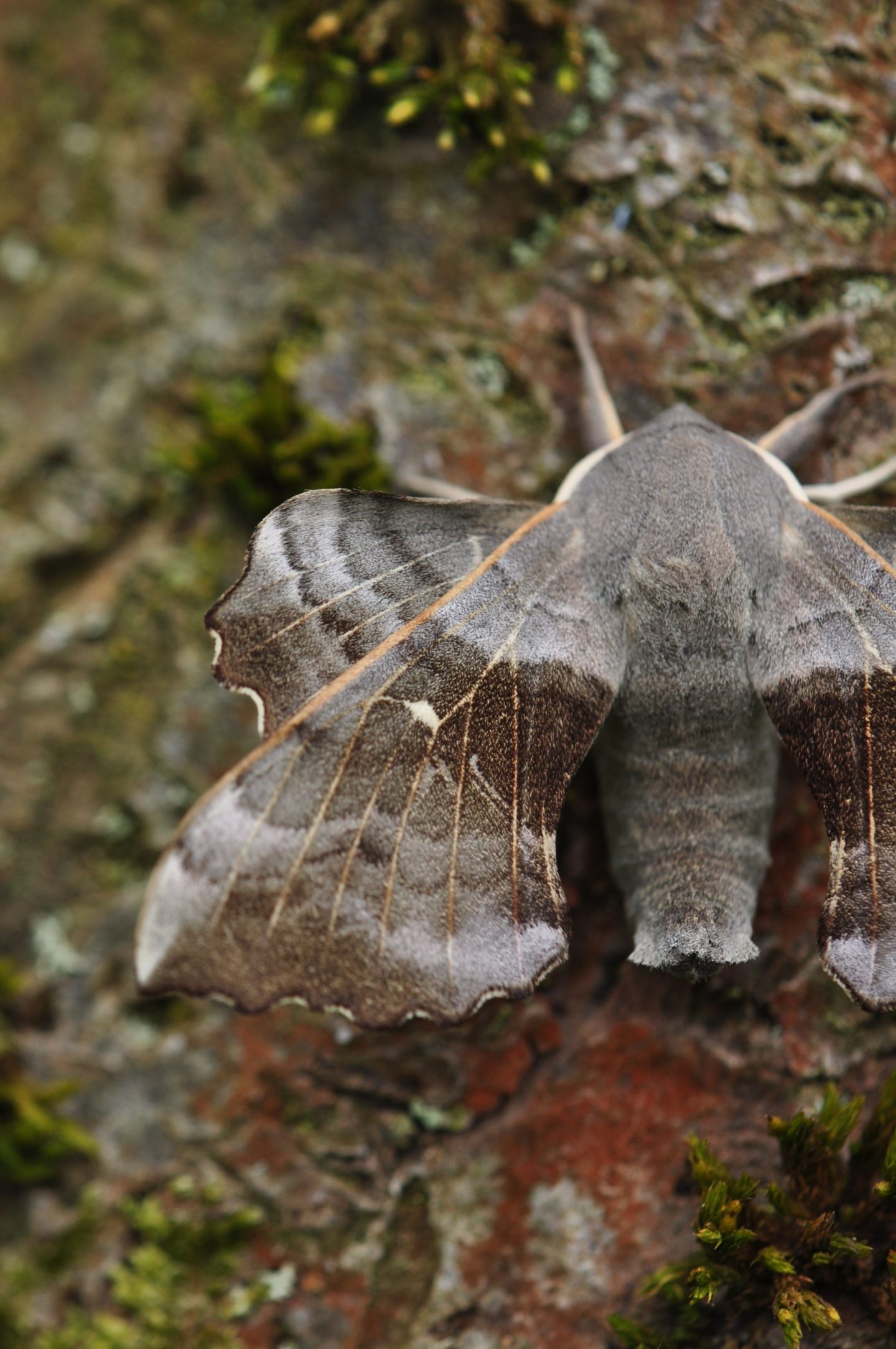
Not many people in the UK seem to be aware of moth trapping, or of any moth species beyond the ones that eat your clothes. Maybe that’s why when the moth trap arrived I felt like I’d been given the keys to a secret world- a colourful, eccentric, extraordinary one that carries on surprising even though we’ve had access to it for over a year. Because that image of a brown, dusty thing is so far from the truth of what moths are like that you wonder how on earth we got to a place where that could be someone’s enduring sense of them. Some of them have huge fluffy legs and antennae that look more at home on a Pokemon card than in a field guide. Some look like they’re extras from the muppet show. Some of them are bright green and pink and have caterpillars that look like tiny snakes. Some have evolved specifically to look like birch twigs. Some have tiny crescent moons on their purple wings and look like they’ve been brought to life from a tarot card. I could keep going but we’d be here a while, because there’s over 2500 species in the UK. We’ve managed to catch 63 of those species so far, and with half the trapping season still to go (you tend to get a spike in species during the summer, but there are winter flying moths) I’m hoping we can add to that total.
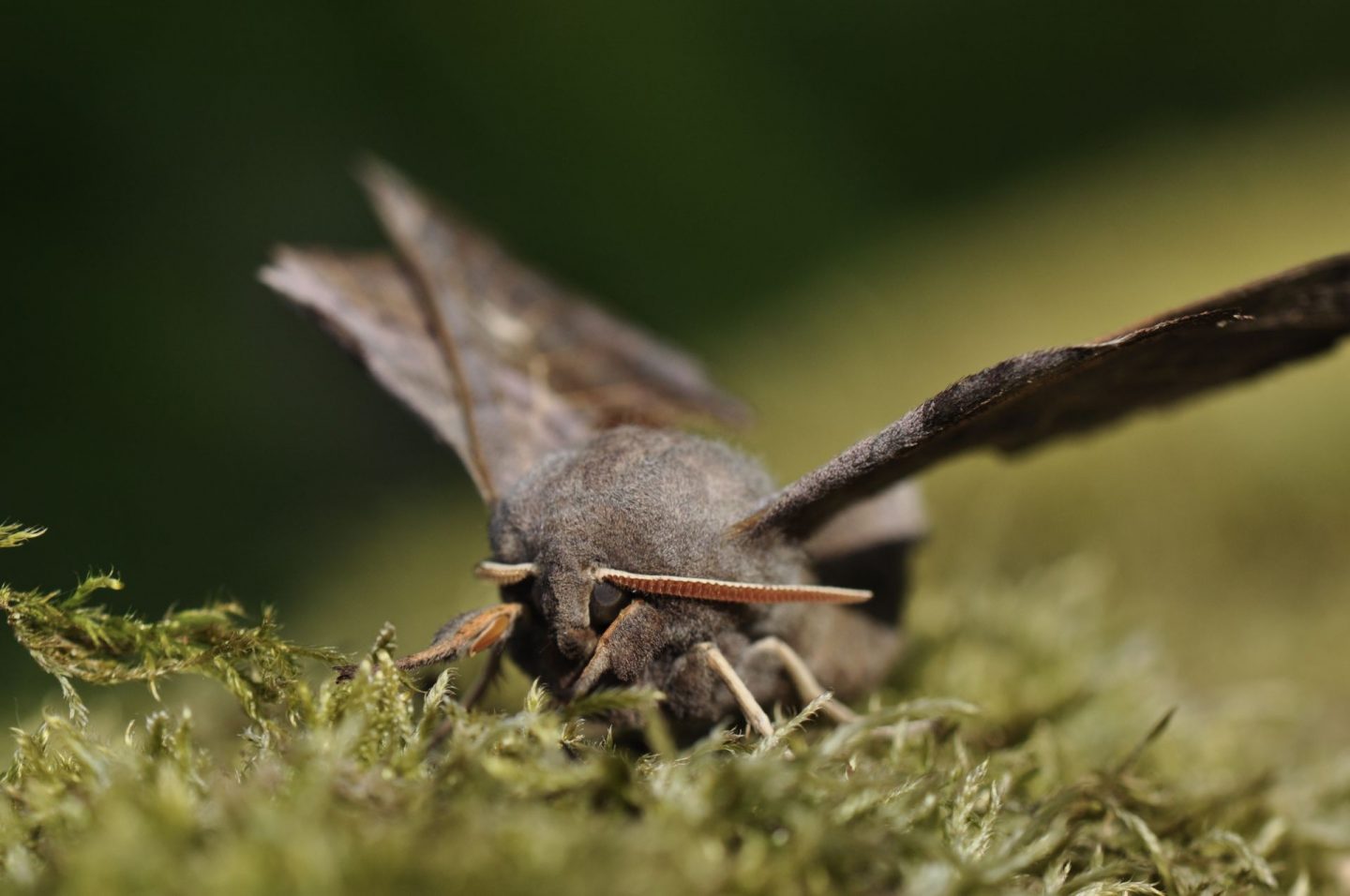
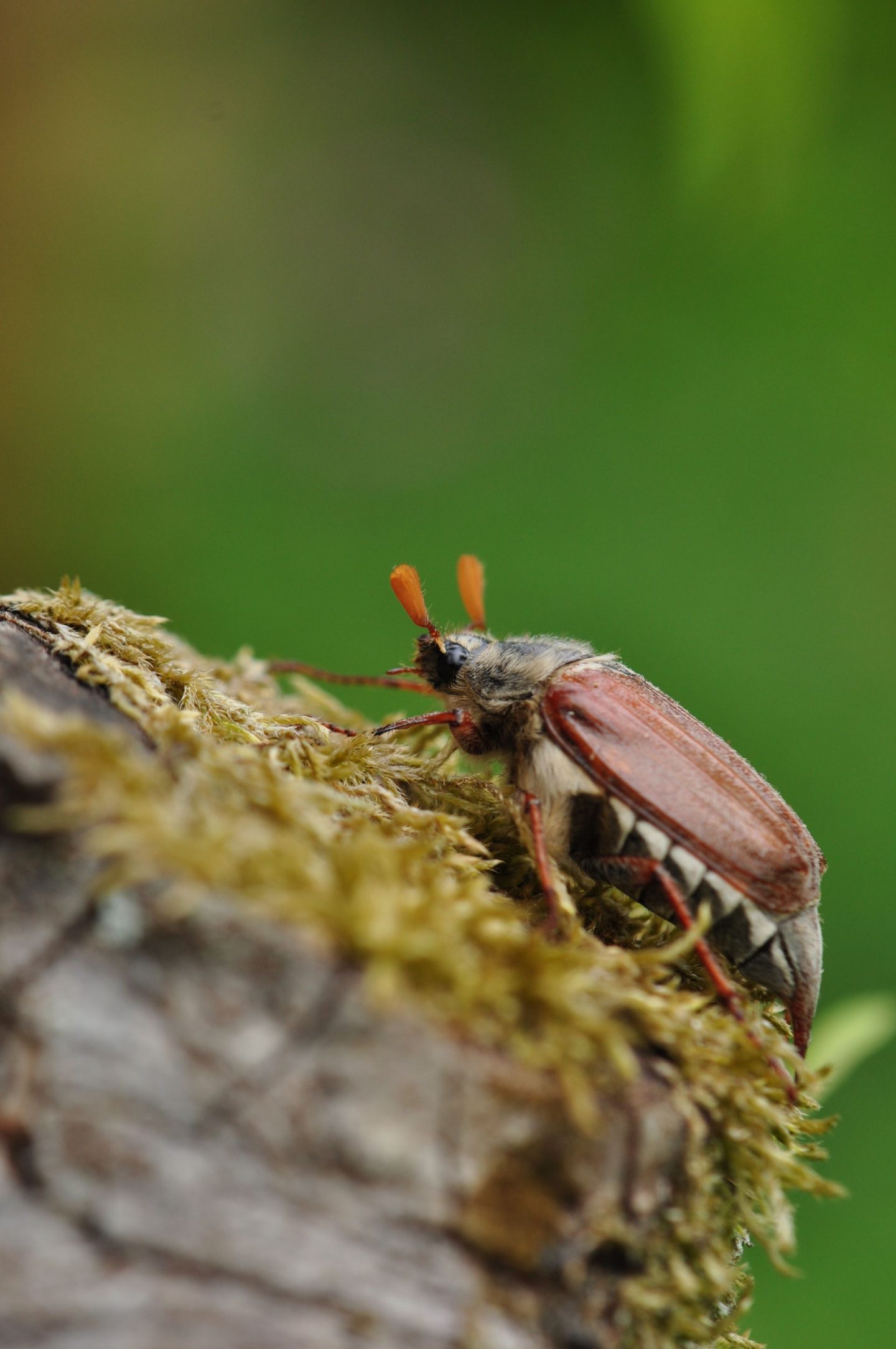
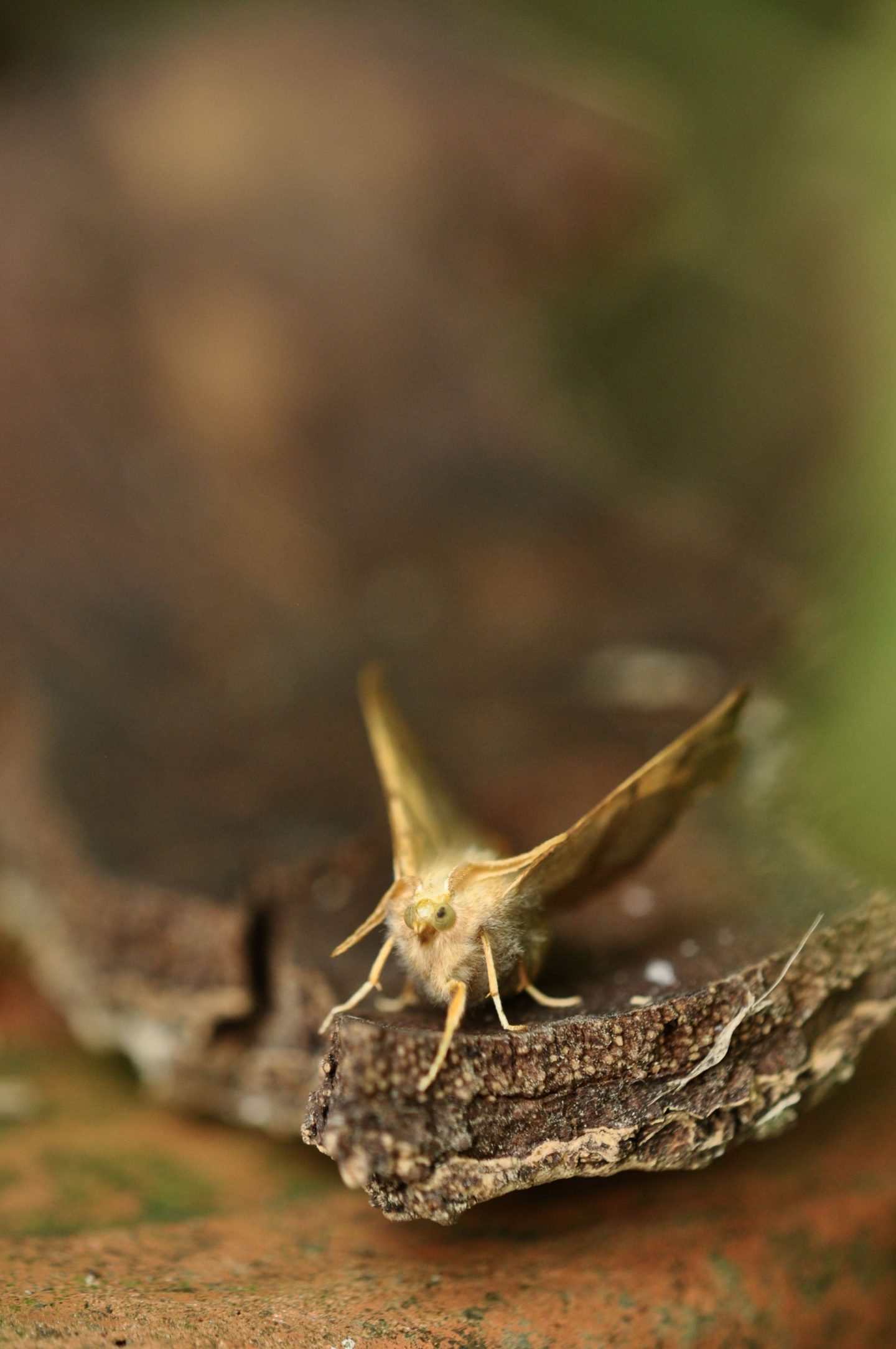
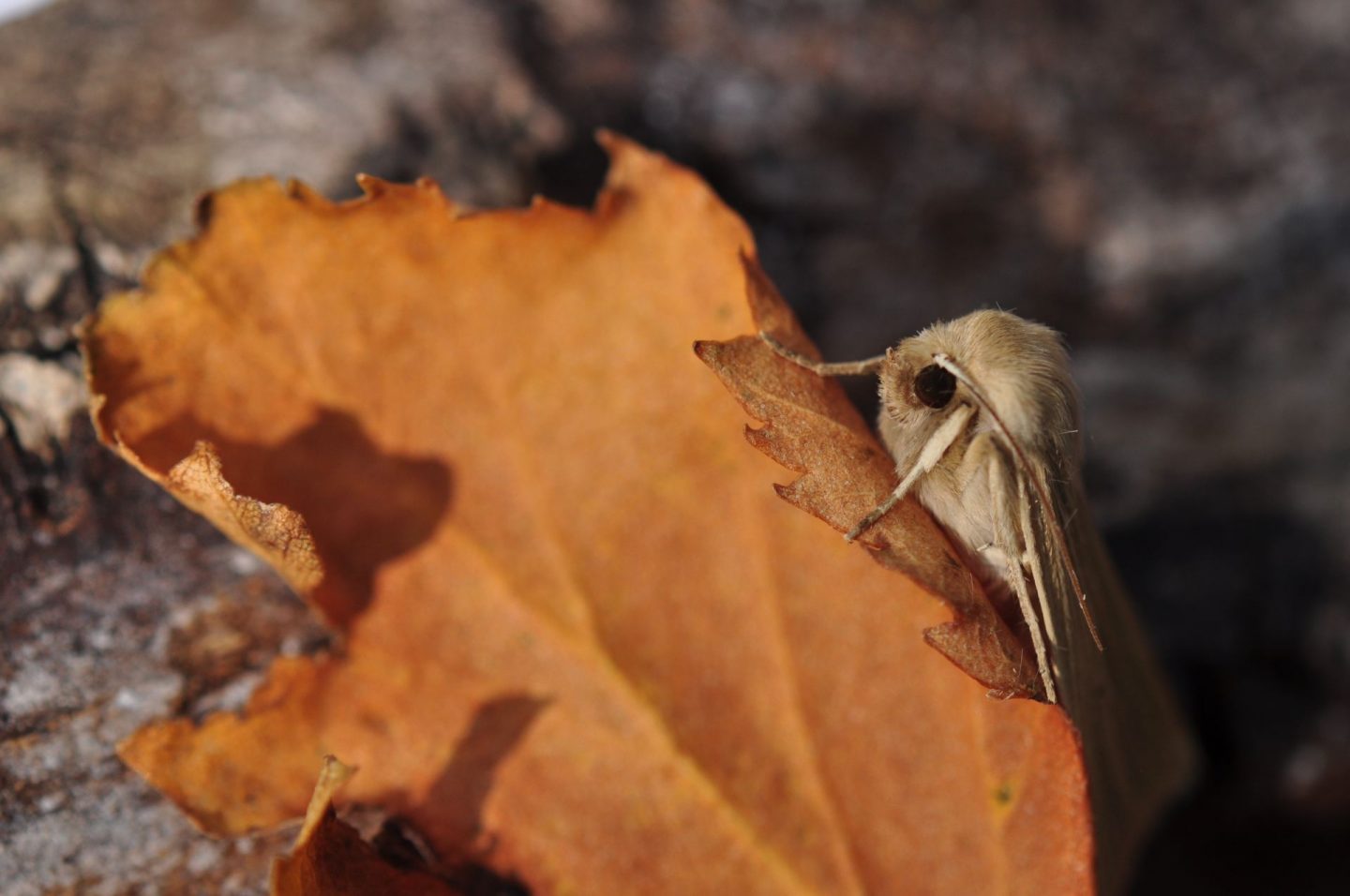
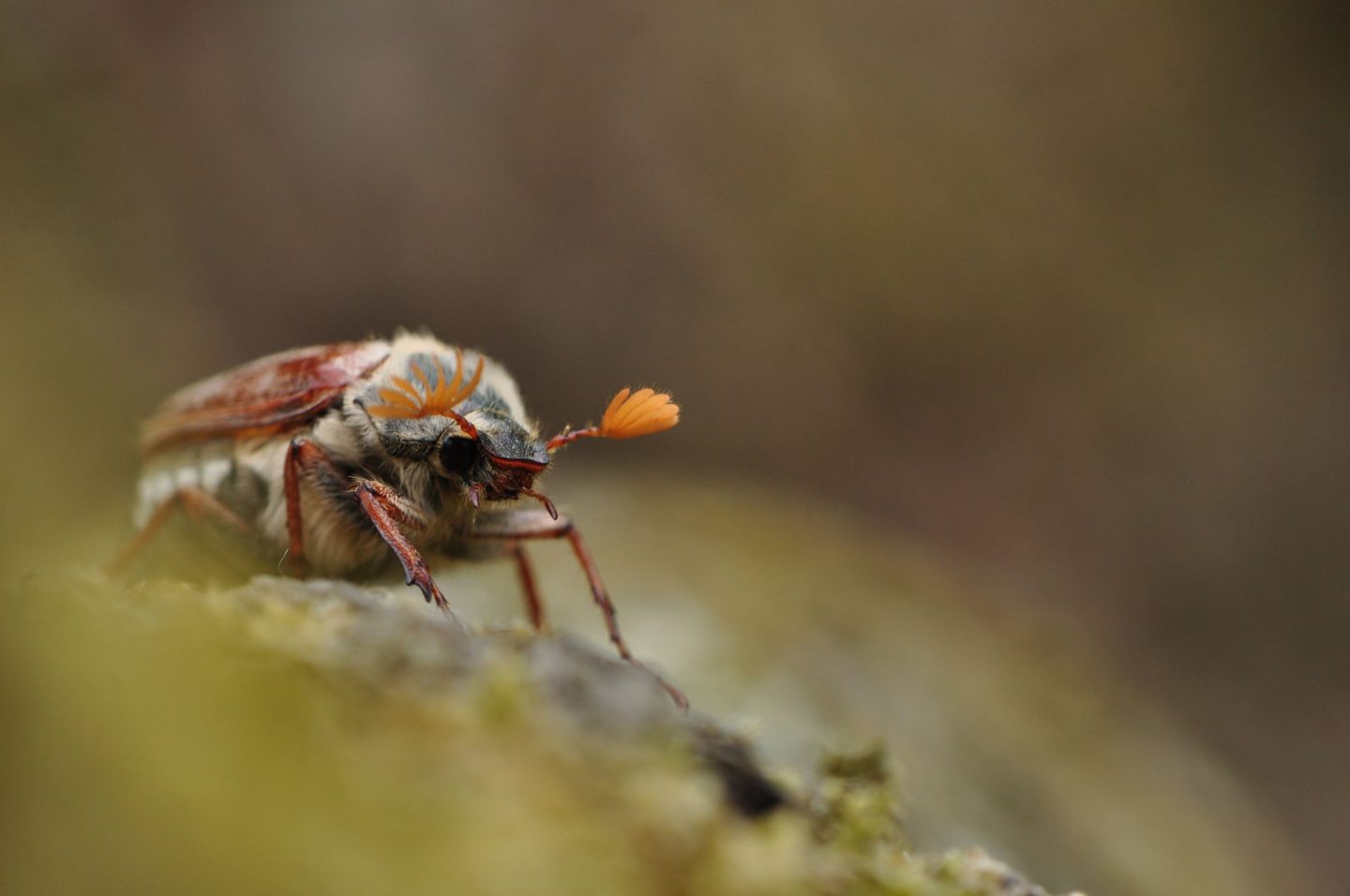
This post is a collection of some favourites, with an honorary inclusion of the frankly terribly named cockchafer -a beetle with the sweetest disposition and very cute antennae that’s also attracted to the light. They may belong to the wrong order, but they’re welcome to stay the night in our moth trap any time.