
FLIGHT SHAME
For someone who is lucky enough to have a job that involves a fair bit of travel, and who has family scattered across the world, flying has always been the elephant in the room when it’s come to reducing my carbon footprint. 2019 is the year that changed. I have faced the elephant, had a heart to heart chat with it, and decided that we’re going to try to be better. We’re going to embrace flygskam (the Swedish term for flight shame).
It’s funny, because flying to different places has become so ingrained that it’s easy to forget that it’s only recently become the norm. Talking to my mum about taking the train then ferry from Cambridge to Dublin, she noted that it was a route well-trodden by herself and my dad in the 80s. And so far, going flight-free where possible has been a pleasant revelation. Sometimes it takes longer – and it can be trickier to work out how to get from A to B – but the sense of adventure is fantastic and I can’t wait to try out different routes. Having travelled flight-free from Cambridge to Dublin, Paris, Brussels and Geneva- as well as doing an inter railing trip which took us overland from Zurich to Croatia and back- I’ve written down ten pieces of advice if you’re someone who’s looking to embrace the beauty of low carbon travel (read: train and boats). Without further ado:
(1) Go to the Man in Seat 61 website. It’s an insanely comprehensive guide to train travel both in Europe and beyond, which clearly tells you the routes that are available, the price, the timetables, even what the train looks like and which side to sit on to get the best views. I could pretty much end this post here, because it might well be the only resource you need. In the unlikely situation that you have questions, you can also follow him on twitter and drop him a line to ask. The man deserves a knighthood.
(2) Know your railcards. There’s a common perception that flying is always cheaper than getting the train. This is flat out not true, but I do understand where the perception comes from. It’s worth remembering that things like a sail rail ticket from anywhere in the UK to Dublin costs a flat £43.50 each way – it stays that way no matter how late you book it, and you don’t have to pay extra for luggage. For trips within the UK, though, a rail card can bring down the cost significantly. If you’re travelling with someone else, for example, for £30 you can get a two-together railcard which will give you a third off rail travel together for a year. You don’t have to be related to the other named person, and sometimes you can make the money back after just a single journey. There’s no limit to the number of two-together railcards you can have (so if you have other people you travel often with you can get a railcard with them too), and you can get them through a the railcard app which saves the faff of having to go to the station to get one. The full range of railcards available is here.
(3) Remember night trains are a thing. Although there’s a number of routes where taking the train takes a similar amount of time to flying, it’s true that for longer distance travel, trains take considerably longer. Enter the night train, which will whisk you across Europe (or up to northern Scotland) while you sleep. I’ve taken one from Ljubljana to Zurich before, and let me tell you- they beat the comfort of night flights by a country mile, and save you the price of a hotel night, too. They’re also tremendous fun- nothing beats the experience of being gently rocked to sleep and waking up to watch the sun rise in a new country. Again, the Man in Seat 61 has all the details you need to get planning. This article also has lots of exciting developments for 2020, including a number of new routes from Brussels (which can easily be reached in the first place via Eurostar).
(4) Stock up on podcasts, iPlayer downloads, and books. Because then the four or five hours you’re spending on the train get to be spent indulging in all the stuff you’ve been wanting to binge or catch up on (current recommendations? The Revolutions podcast, You’re Dead to Me, or any of the books I talk about here). Alternatively, it’s worth remembering that trains can be productive workplaces, too. I wrote most of my PhD thesis while on the Norwich to Manchester route, so I should know.
(5) Dress for it. Bring layers, because you never quite know when your carriage might have broken heating or be overzealous with the air conditioning, and a cosy scarf for napping/ making into a pillow.
(6) Eat/ Drink for it. Take a flask of tea and some home made biscuits with you and up the cosiness levels by x75 (bonus points if you’re wearing the scarf as a blanket at the time). Take a bottle of wine with you or buy one on the train to get to Paris in style. Leave a couple of hours between connections in London so you can get lunch somewhere nice (Lina Stores anyone?). This is what slow travel is all about.
(6) Remember all the benefits. No luggage limits (or extremely generous ones. No extra charges for it anyway). Services that more often than not drop you right in the middle of the city, instead of an airport on the outskirts. Oh, and the whole saving the planet thing. That also.
(6) Lean in to the romance of it. It may not be the Orient Express – but travelling by train still has a magic for me that a flight can never quite touch. It’s getting to see the landscape change around you, watching golden hour over the fields, spotting barn owls from the window at dusk. And because train stations tend to be right smack bang in the centre of town you get such a sense of arrival. Crossing the Tyne as you pull into Newcastle, or the Forth Bridge as you head north out of Edinburgh. Mountain passes through the Alps. Heading out of Stranraer on a ferry, watching shearwaters riding on the rim of the waves. The magic is all there. Embrace it.
(8) Know your claiming rights. Despite the above, I know that train travel isn’t always sunshine and rainbows. I’ve been through more than my fair share of packed trains, cancellations and delays (though it’s always worth remembering that this happens all the time with flights too). When it comes to pass, knowing what your rights are to claim money back can go a long way to ease some of the annoyance and frustration. The amount of time before you qualify for a refund varies from company to company, but generally a 15 minute delay gets you 25% of the cost of a single ticket, a half hour delay gets you 50% of the cost back, anything over an hour gets you 100% of the cost back and a 120 minute delay gets you a full refund on a return ticket. The latter happened to me twice over the summer, but knowing I was in line for a full refund (essentially meaning I got to travel for free) took away a lot of the resentment. You’ll need to check each train company to see what you’re entitled to, but each one will have an online claim service.
(9) Know that what you do matters. People will tell you that you’re only one person. People will tell you that it doesn’t make a difference. Point them to this article which articulates the science showing us that this simply isn’t true, and to this one that shows the considerable carbon savings (a whopping 90% on some routes).
I recently listened to a podcast that said that each action we take for the environment that goes against the status quo was a small act of courage. It struck a chord with me, because telling your company that you want them to book a train instead of a flight, or explaining why you’re choosing to do a six hour train journey when a low cost airline can take you there can be awkward. In these cases, I would argue that convenience and small-scale money savings (within reason) are no longer valid excuses for not taking responsibility for the environment. I also know that you can’t get to places like Australia or South Africa by land and sea unless you have an extraordinary amount of time and money. I’m not saying that you should be consumed by guilt every time you fly anywhere. What I’m saying is that low carbon travel is an opportunity to not only tread a little bit more lightly on this planet, but to soak up the joys of slow living and bring back some of the romance of long distance travel. Take the opportunity for that small act of courage- the rewards can be spectacular.
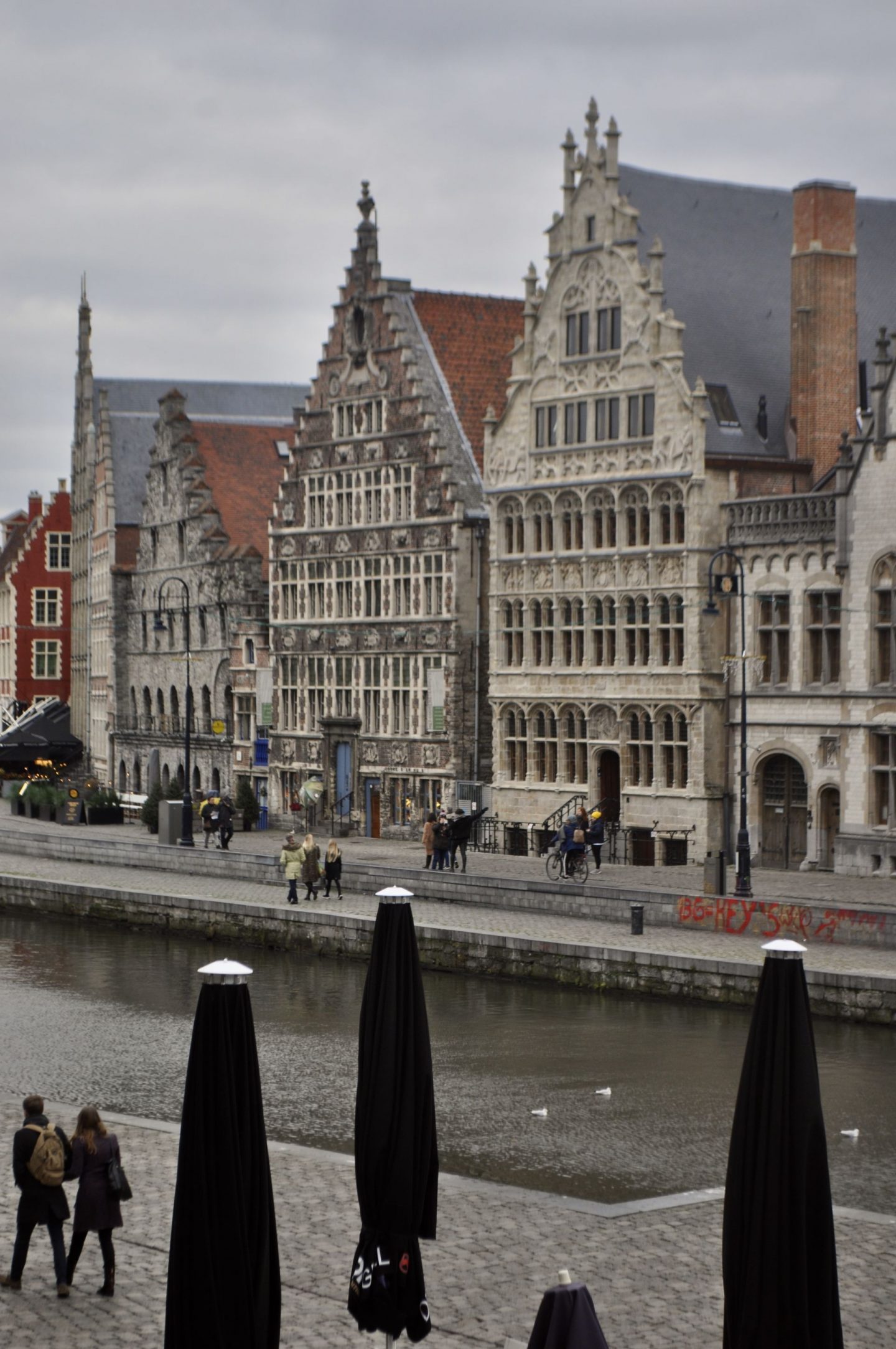
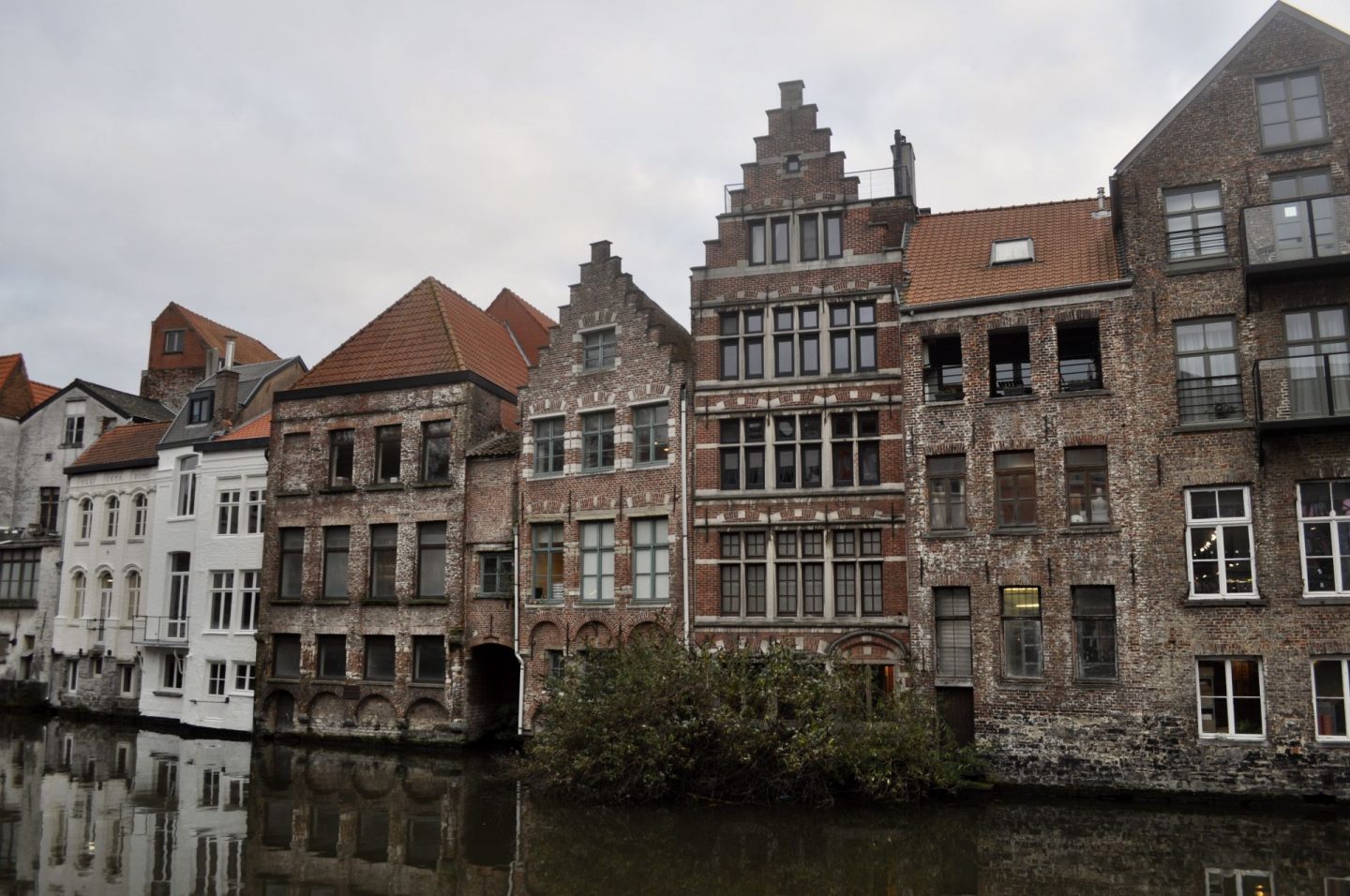
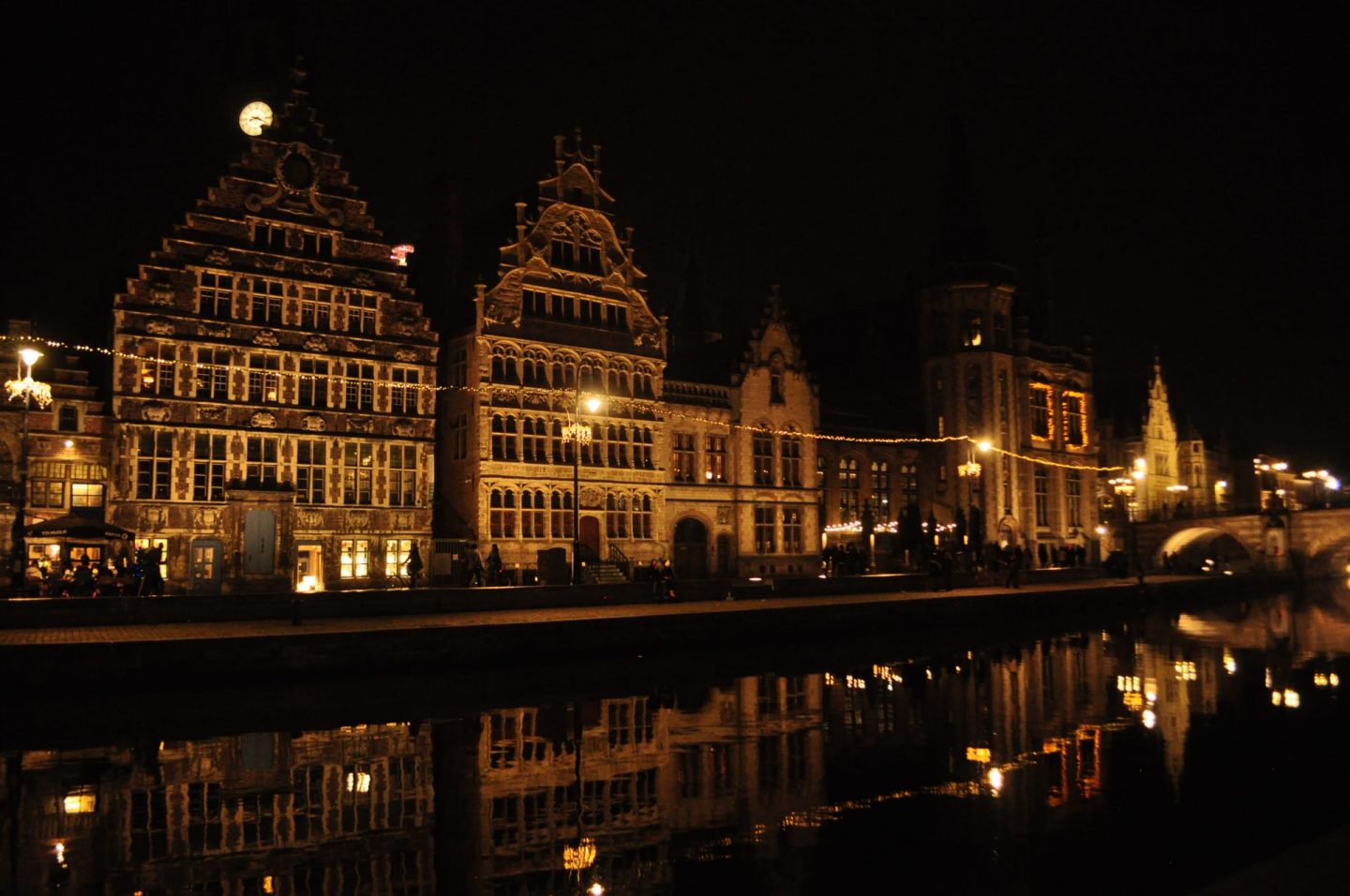
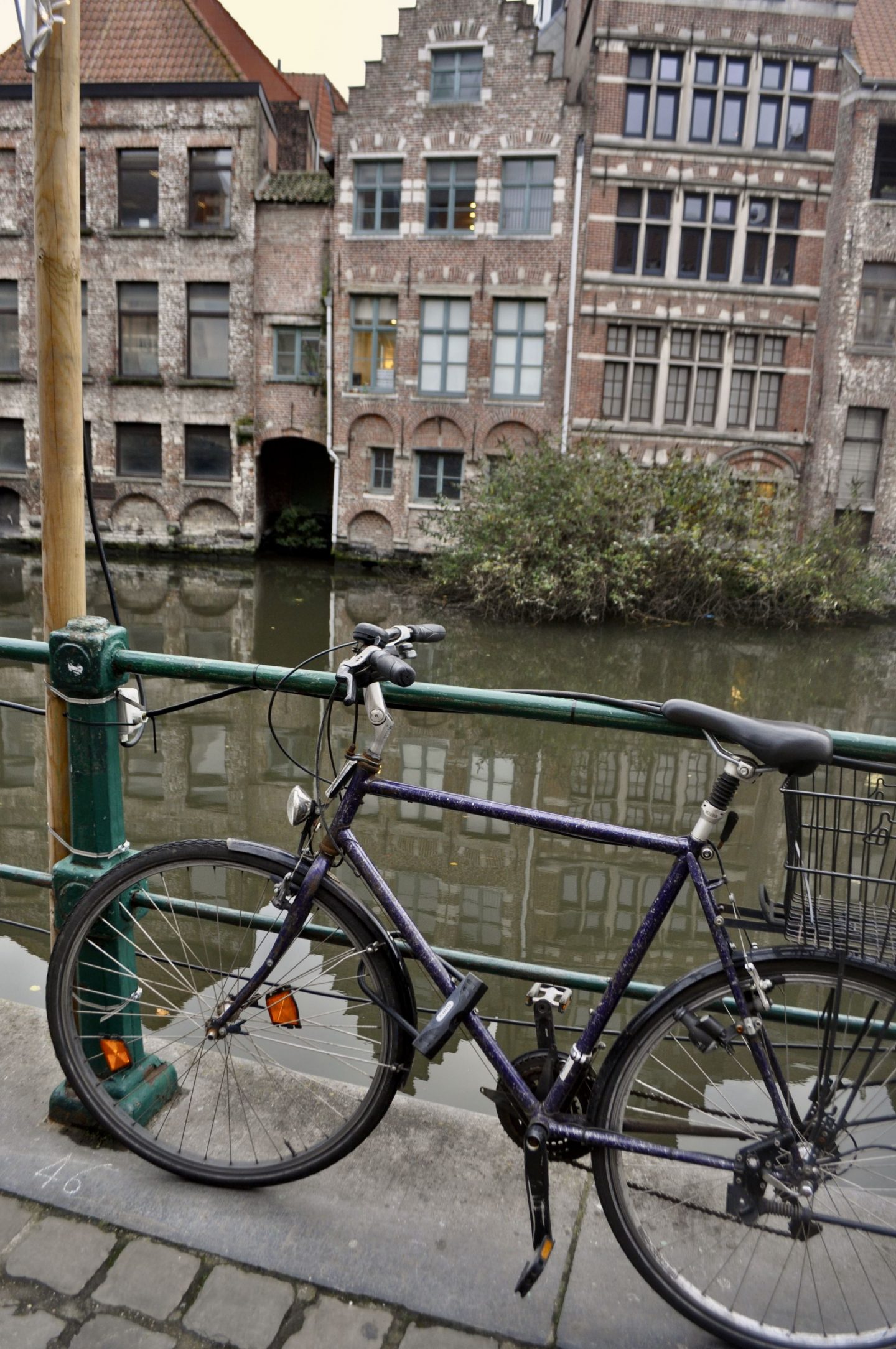
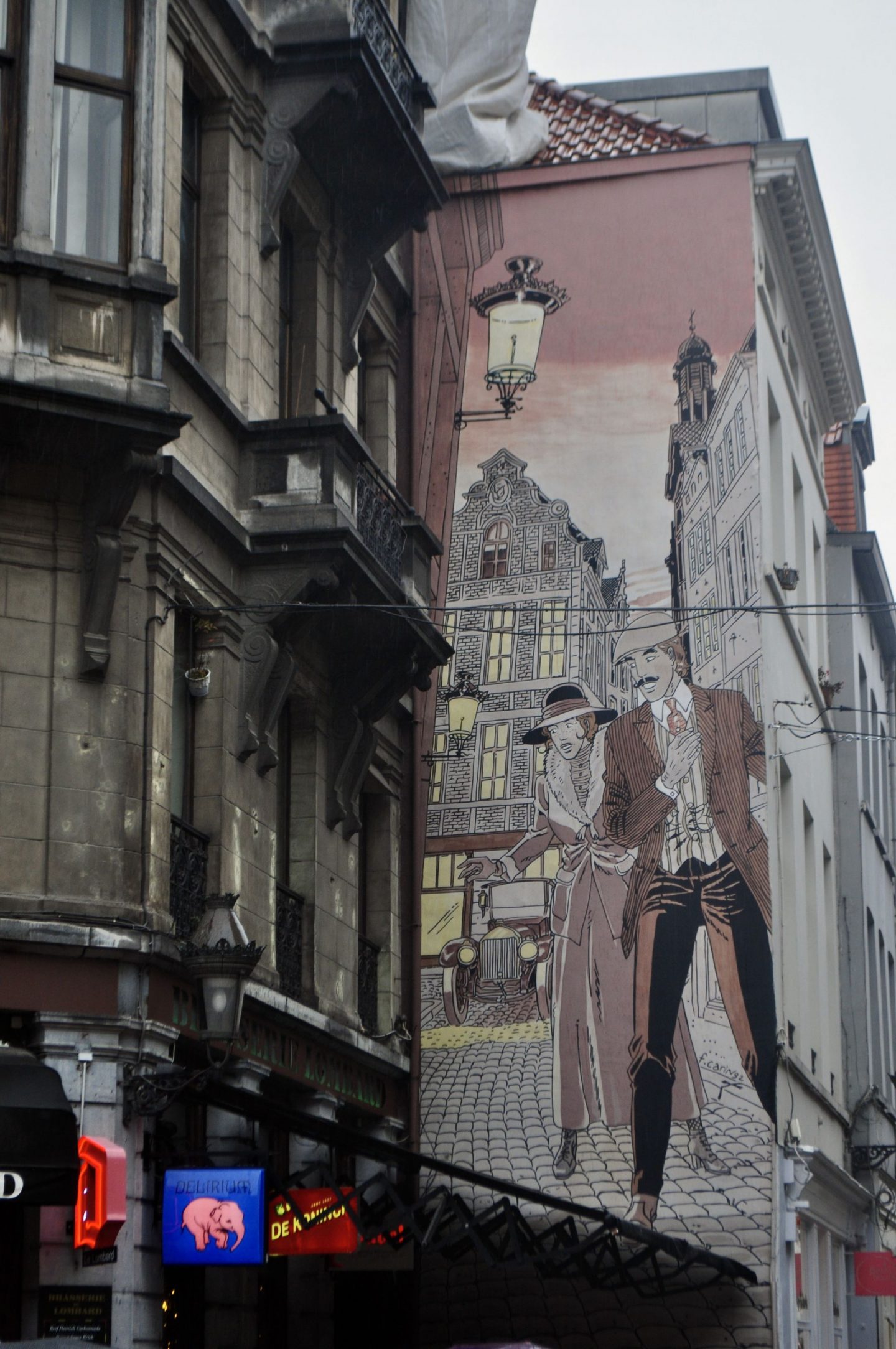
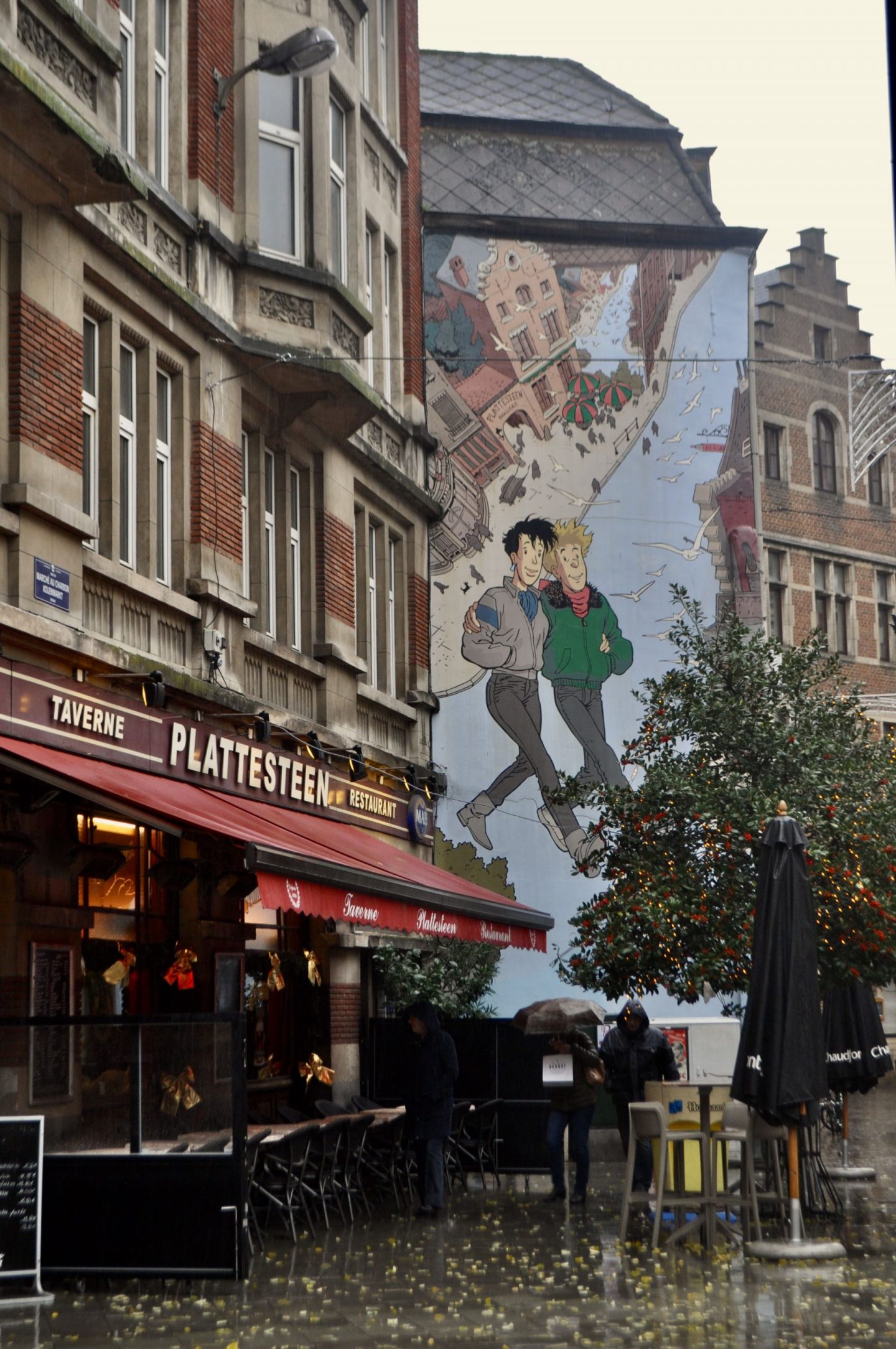
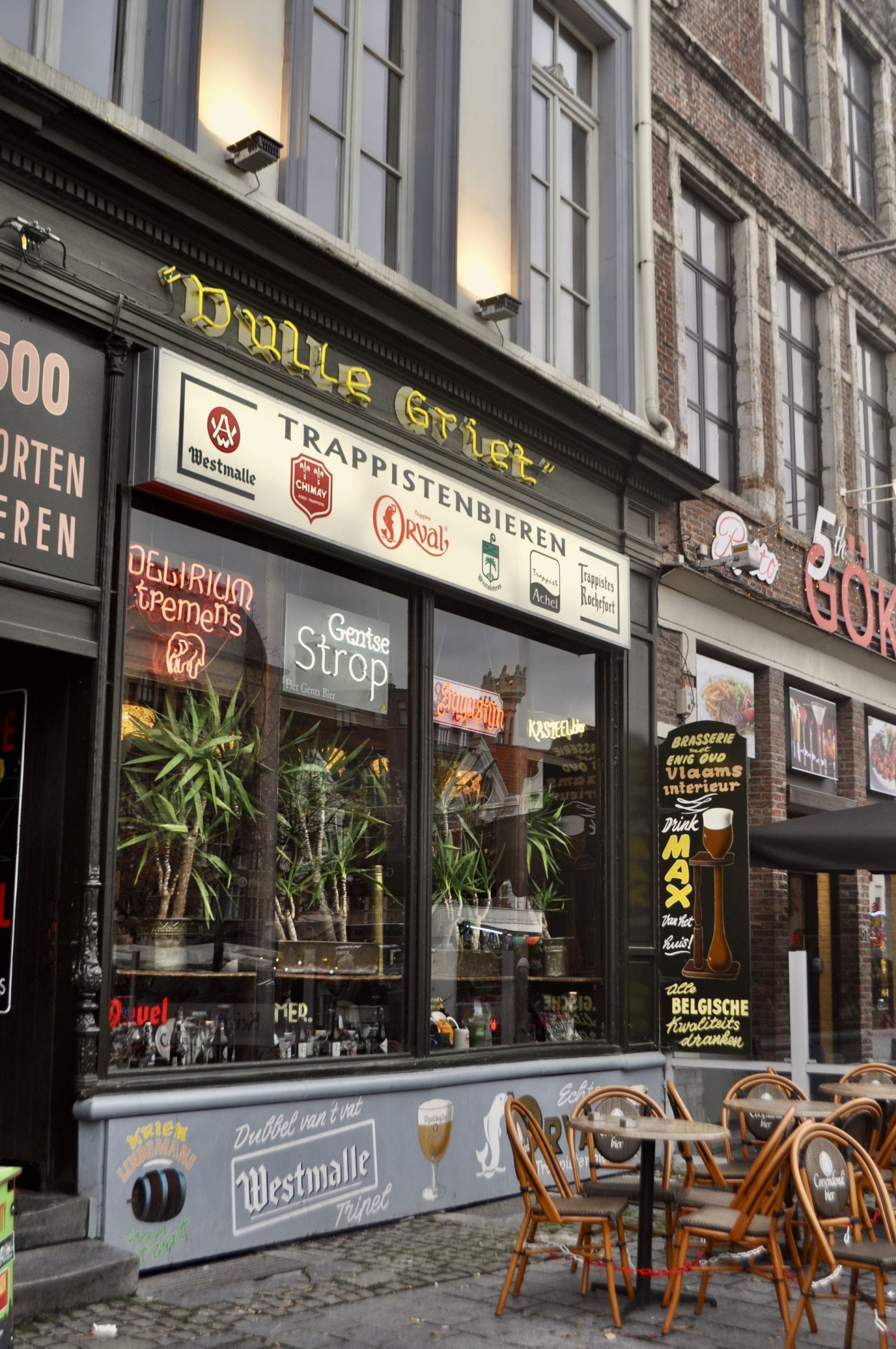
N.B. Pictures from a December jaunt to Brussels and Ghent on the Eurostar. It was the best. Would recommend.

LOVE THIS STAFFORD – I’ve decided to try not to fly unless i have to and explore the UK more to reduce my flying footprint (I cant actually afford to go abroad right now – but if i could I would definitely use all of these tips) 🙂
I’m trying to remember when we fell into the need to travel quickly everywhere and forgot the joys of the journey. We are lucky that a ferry now travels from northern Spain to Ireland and the UK, affording me lots of time to binge on podcasts, crosswords and books. I am considering the purchase of a roll up puzzle board (I think they exist, if not I’ll have to make one) to enable me to puzzle my way over the high seas. Flying has enabled me to live and learn in many wonderful cities whilst keeping the precious links to the family but I am eagerly looking forward to the year when I don’t have to head to the airport.